

Travel safety tips are essential whether you’re heading across the country or exploring a new continent. While most trips go smoothly, a little preparation can reduce risk and help you respond calmly if something unexpected happens.
Good travel safety isn’t about fear—it’s about awareness, planning, and making practical decisions along the way.
Why Travel Safety Matters
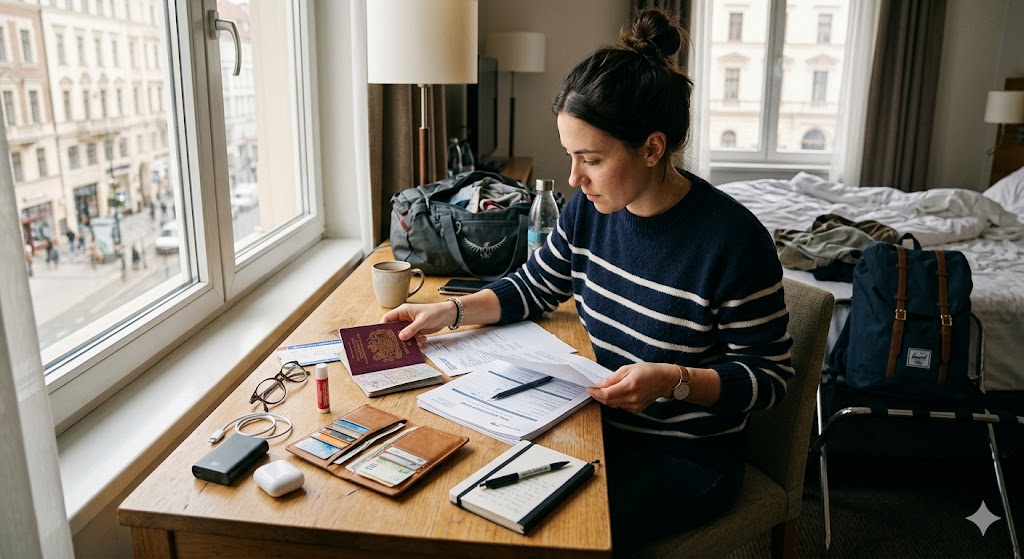
Travel often places you in unfamiliar environments, where routines, laws, and surroundings may differ from what you’re used to.
Common risks include:
- Lost or stolen belongings
- Miscommunication due to language barriers
- Transportation confusion
- Health or weather-related issues
Being prepared allows you to focus more on the experience and less on potential disruptions.
Pre-Trip Safety Preparation
Planning ahead is one of the most effective ways to stay safe.
- Research your destination’s local customs and laws
- Make copies of important documents like passports and IDs
- Share your itinerary with a trusted contact
- Check travel advisories and weather conditions
- Arrange transportation from the airport in advance
Small steps taken before departure can prevent larger issues later.
Essential Travel Safety Practices
| Practice | Why It Matters |
|---|---|
| Keep valuables secure | Reduces theft risk |
| Stay aware of surroundings | Helps avoid unsafe situations |
| Use trusted transportation | Minimizes scams or confusion |
| Limit sharing location publicly | Protects privacy |
| Carry emergency contacts | Enables quick response |
Consistency in these habits can make a noticeable difference.
Pro Insight
Many travel issues arise from small oversights rather than major risks. Staying attentive—especially in crowded areas or unfamiliar transit systems—often prevents problems before they start.
Staying Safe in Public Places
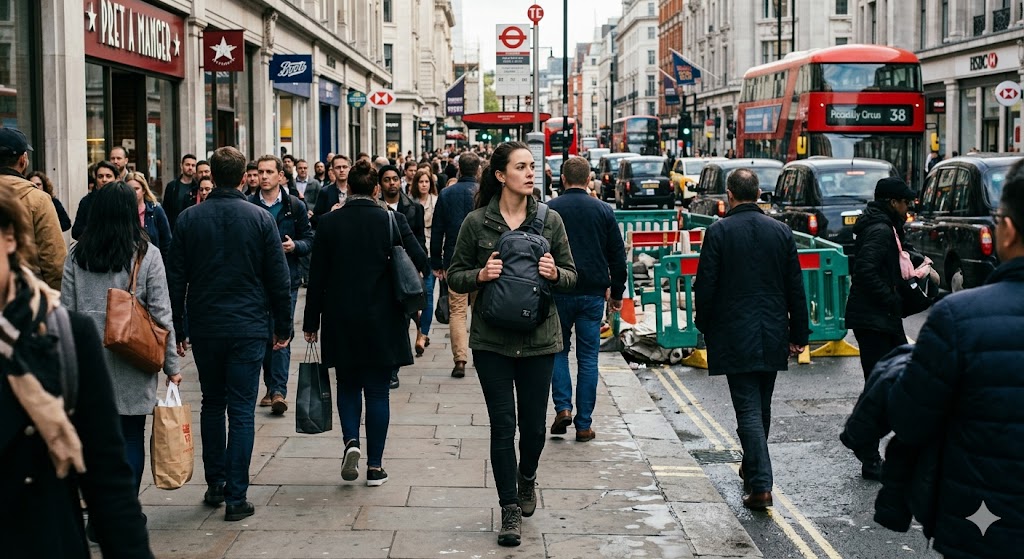
Busy areas such as markets, train stations, and tourist attractions require extra awareness.
- Keep bags zipped and close to your body
- Avoid displaying expensive items openly
- Be cautious when approached by strangers offering help
- Use official information desks when possible
Situational awareness is one of the most effective safety tools.
Quick Tip
Carry only what you need for the day. Leaving extra valuables secured in your accommodation reduces the risk of loss or theft.
Transportation Safety Tips
Getting around safely is just as important as choosing your destination.
- Use licensed taxis or verified ride services
- Confirm routes before starting your trip
- Avoid sharing rides with unknown individuals
- Keep track of your belongings in transit
If something feels uncertain, it’s usually worth reassessing your options.
Health and Emergency Preparedness
Staying prepared for health-related situations is part of overall travel safety.
- Pack basic medications and first-aid supplies
- Know the location of nearby hospitals or clinics
- Stay hydrated and adjust to local conditions
- Keep emergency contact numbers accessible
Being prepared helps you respond quickly if needed.
Real-world Scenario
A traveler arrives in a new city late at night without pre-arranged transportation. They accept an unofficial ride outside the airport, leading to confusion over pricing and route.
In a different situation, pre-booking a licensed service provides a clear route, fixed cost, and added peace of mind.
Preparation often shapes the outcome.
Digital Safety While Traveling
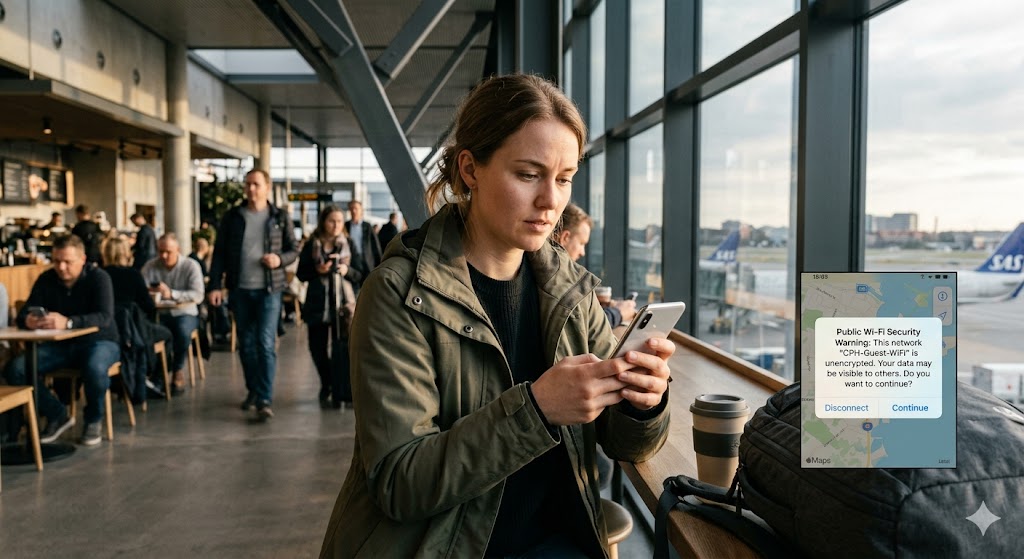
Digital security is increasingly important when traveling.
- Avoid accessing sensitive accounts on public Wi-Fi
- Use secure networks or a trusted VPN
- Enable two-factor authentication on important accounts
- Keep devices locked when not in use
Protecting your data is just as important as protecting physical belongings.
Frequently Asked Questions
What is the most important travel safety tip
Staying aware of your surroundings is one of the most effective ways to prevent problems.
Should I carry all my documents with me
It’s safer to carry only what you need and keep backups stored securely.
Is it safe to use public Wi-Fi while traveling
Public Wi-Fi can be risky. Avoid sensitive transactions or use secure connections.
How can I avoid tourist scams
Research common scams in your destination and use official services when possible.
What should I do in an emergency abroad
Contact local emergency services and your country’s embassy if needed.
Conclusion
Travel safety comes down to preparation, awareness, and practical decision-making. By planning ahead, staying alert, and following simple precautions, you can reduce risks and focus on enjoying your trip.
A thoughtful approach to safety doesn’t limit your experience—it supports it.
Trusted U.S. Resources
https://travel.state.gov
https://www.cdc.gov/travel
https://www.ready.gov
https://www.usa.gov
This article is for general informational purposes only and does not provide legal, financial, medical, or professional advice. Policies, rates, and regulations may change over time.