

Hotel loyalty programs are designed to reward repeat guests with perks, upgrades, and points that can be redeemed for future stays. For frequent travelers, these programs can offer meaningful value over time.
Even occasional travelers can benefit by understanding how these programs work and choosing one that fits their travel habits.
What Are Hotel Loyalty Programs
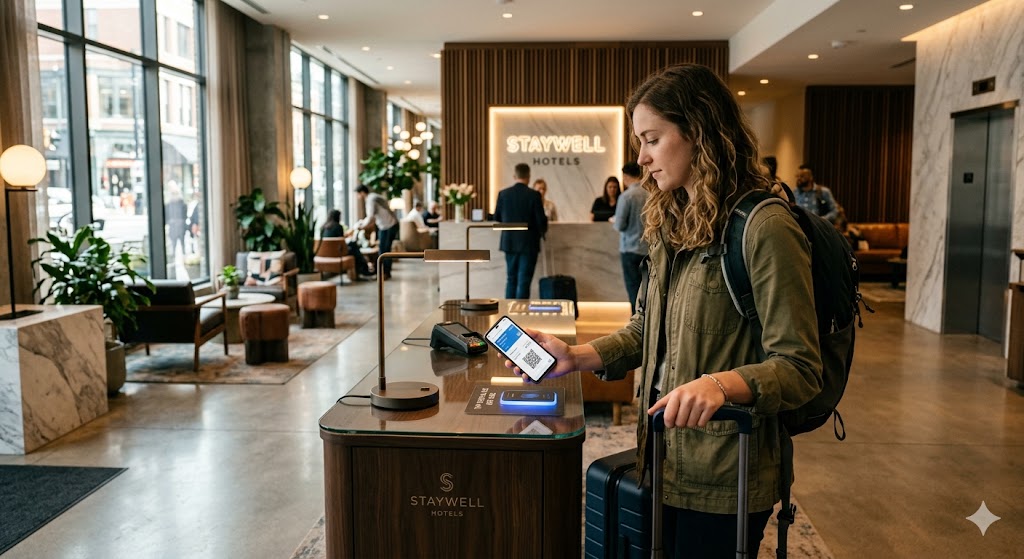
Hotel loyalty programs are membership-based systems where guests earn points or rewards for stays and related spending.
Typical benefits include:
- Points for each stay
- Free or discounted nights
- Room upgrades (when available)
- Late check-out or early check-in
- Exclusive member pricing
Most major hotel chains offer free enrollment.
How Hotel Loyalty Programs Work
Members earn points based on spending, which can later be redeemed.
Common earning methods:
- Booking directly with the hotel
- Using co-branded credit cards
- Taking advantage of promotions or bonus offers
Points can usually be redeemed for:
- Free nights
- Room upgrades
- Travel perks or partner rewards
The value of points varies by program and property.
Major Hotel Loyalty Programs Compared
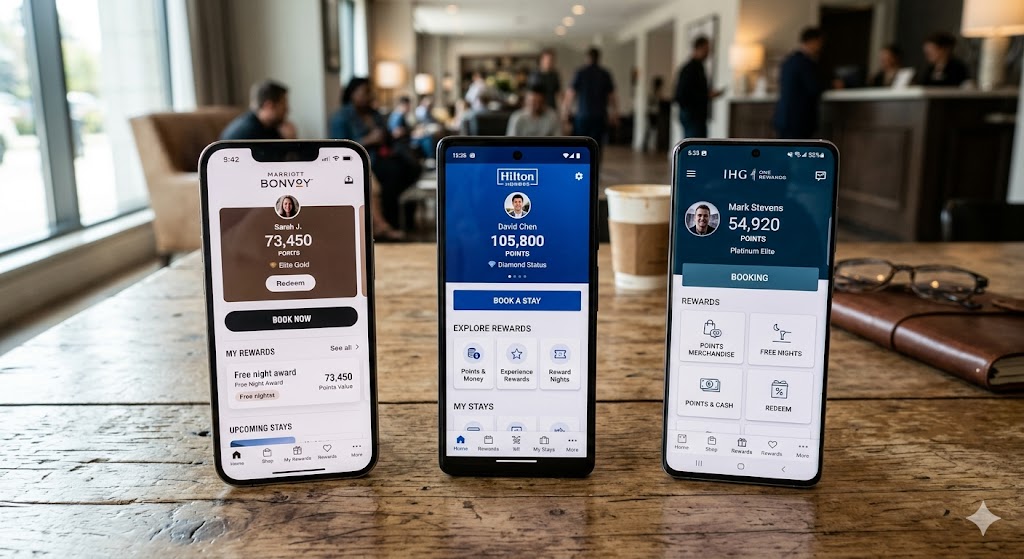
| Program | Best For | Key Benefit |
|---|---|---|
| Marriott Bonvoy | Global travelers | Large hotel network |
| Hilton Honors | Frequent stays | Flexible redemption |
| World of Hyatt | Premium experiences | Strong elite benefits |
| IHG One Rewards | Budget to mid-range | Wide property range |
Each program offers different advantages depending on travel style.
Pro Insight
Loyalty programs tend to reward consistency. Staying within one hotel brand more often can unlock higher-tier benefits faster than spreading stays across multiple brands.
How to Choose the Right Program
Selecting the right program depends on your travel habits.
Travel frequency
Frequent travelers benefit more from elite status perks.
Destination coverage
Choose a program with hotels in the places you visit.
Redemption flexibility
Some programs offer more options than others.
Perk priorities
Consider whether upgrades, free nights, or convenience matter most.
Aligning the program with your habits increases value.
Quick Tip
Always book directly through the hotel’s website or app to earn full loyalty points and access member benefits.
Real-World Micro Scenario
A traveler consistently books with one hotel brand for work trips. Over time, they earn enough points for free personal travel stays and receive room upgrades.
Another traveler books randomly across different brands and earns fewer meaningful rewards.
Consistency often leads to better benefits.
Common Mistakes to Avoid
Misusing loyalty programs can limit their value.
Spreading stays across multiple programs
Slows progress toward rewards.
Ignoring expiration policies
Points can expire if accounts are inactive.
Not checking redemption value
Some redemptions offer better value than others.
Booking through third-party sites
May reduce or eliminate earned points.

Frequently Asked Questions
Are hotel loyalty programs free to join?
Yes, most major hotel loyalty programs are free.
Do hotel points expire?
They can expire if your account remains inactive for a certain period.
Can I use points for free stays?
Yes, many programs allow redemption for free or discounted nights.
Which hotel loyalty program is best?
It depends on your travel patterns and preferred destinations.
Do I earn points when booking through third-party sites?
Often no, or fewer points compared to booking directly.
Conclusion
Hotel loyalty programs offer a practical way to get more value from your travel. By earning points, accessing perks, and building status over time, travelers can enhance their overall experience.
Choosing the right program and using it consistently can turn regular stays into meaningful rewards.
Trusted U.S. Resources
https://www.usa.gov
https://www.consumer.ftc.gov
https://www.transportation.gov
https://www.travel.state.gov
This article is for general informational purposes only and does not provide legal, financial, medical, or professional advice. Policies, rates, and regulations may change over time.