

Cultural travel destinations offer more than scenic views—they provide a deeper connection to history, traditions, and everyday life. Whether you’re walking through ancient cities or experiencing local festivals, these places allow you to understand how people live, celebrate, and preserve their heritage.
For travelers looking beyond typical sightseeing, cultural destinations create a more meaningful and memorable journey.
What Defines a Cultural Travel Destination
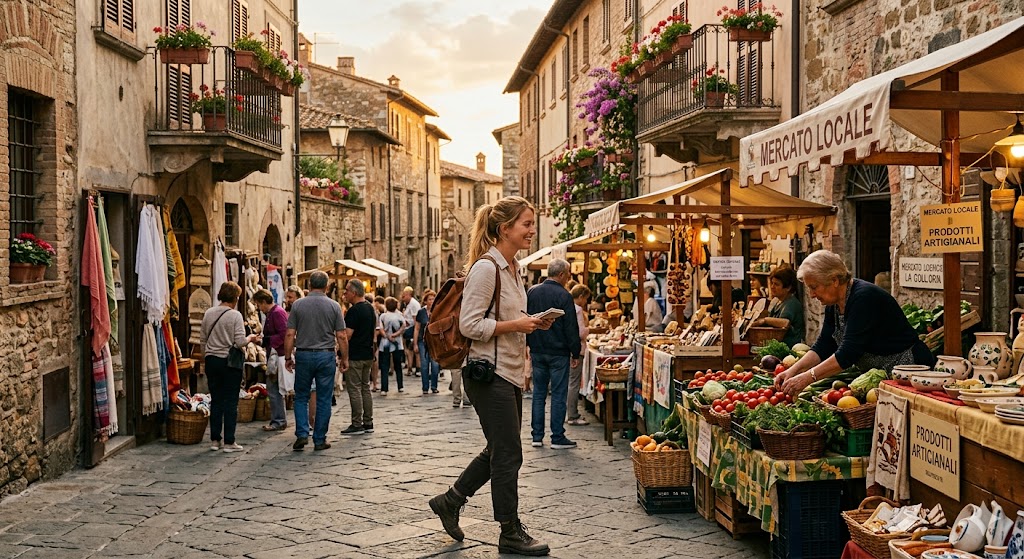
A cultural destination is defined by its heritage, traditions, and local identity. These places often feature:
- Historical landmarks and preserved architecture
- Museums and cultural institutions
- Traditional food and culinary practices
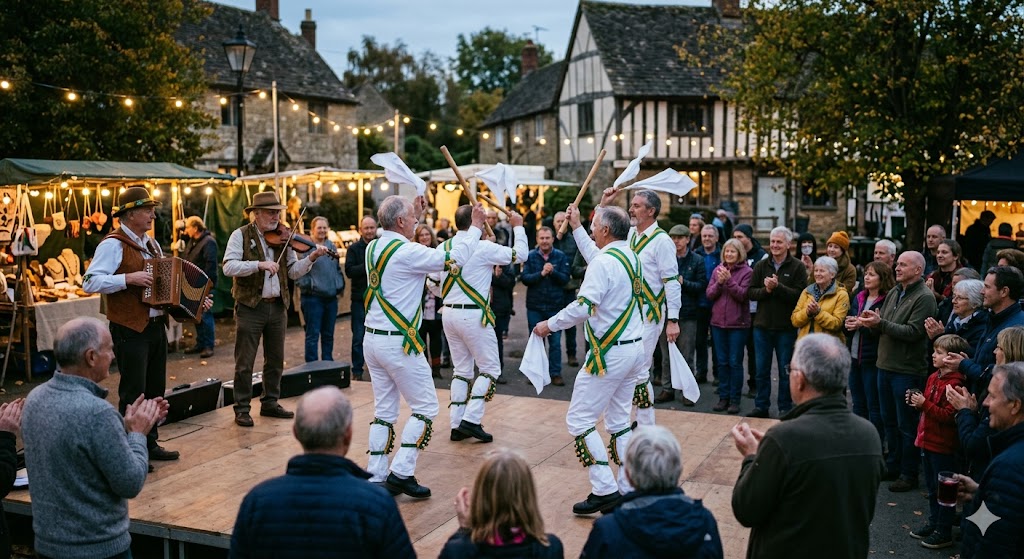
- Festivals and community events
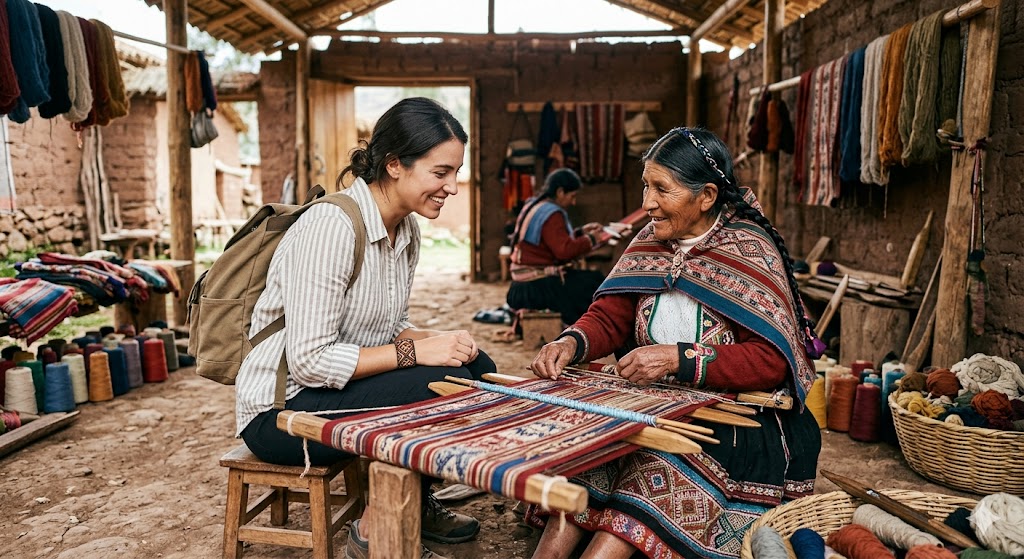
- Local crafts and artisan markets
What sets them apart is the opportunity to engage—not just observe.
Popular Cultural Destinations Around the World
Some locations are widely recognized for their cultural richness and historical depth.
- Kyoto – Known for temples, tea ceremonies, and traditional arts
- Rome – A blend of ancient history, art, and architecture
- Marrakech – Vibrant markets, historic medinas, and local craftsmanship
- Cusco – Gateway to Incan heritage and mountain culture
Each destination offers a distinct cultural experience shaped by its history and people.
Cultural Travel vs Typical Tourism
| Aspect | Cultural Travel | Typical Tourism |
|---|---|---|
| Focus | Local traditions | Major attractions |
| Experience | Immersive | Observational |
| Activities | Workshops, local interaction | Sightseeing tours |
| Pace | Slower, intentional | Often fast-paced |
| Outcome | Deeper understanding | General exposure |
Cultural travel encourages connection rather than quick visits.
Pro Insight
Cultural experiences are often found beyond major tourist areas. Exploring smaller neighborhoods, local markets, or community events can provide a more authentic perspective than popular landmarks alone.
Regions Known for Cultural Depth
Certain regions consistently attract travelers interested in culture:
Europe
Historic cities, art, and architecture define destinations like Florence and Prague.
Asia
Rich traditions and spiritual heritage are prominent in places like Varanasi and Seoul.
Africa
Diverse cultures and traditions are found in destinations like Cairo.
Latin America
Indigenous heritage and colonial history shape cities like Oaxaca.
Each region offers a different lens on culture, shaped by geography and history.
Quick Tip
Learn a few basic phrases in the local language before traveling. Even simple greetings can improve interactions and show respect for the local culture.
How to Choose the Right Cultural Destination
Selecting the right destination depends on your interests:
- History-focused – Ancient cities and archaeological sites
- Art and architecture – Museums, galleries, and historic districts
- Food culture – Culinary traditions and local markets
- Festivals – Seasonal events and cultural celebrations
Matching your interests with a destination helps create a more engaging experience.
Real-world Scenario
A traveler visiting Barcelona spends most of their time at famous landmarks. While impressive, the experience feels surface-level.
On a return trip, they explore local neighborhoods, attend a small cultural festival, and try traditional cooking classes. The experience becomes more personal and memorable.
The difference comes from engagement, not just location.
Respecting Local Culture While Traveling
Cultural travel also involves responsibility:
- Dress appropriately for local customs
- Follow cultural norms and etiquette
- Support local businesses and artisans
- Be mindful when photographing people or sacred sites
Respect enhances both your experience and the communities you visit.
Frequently Asked Questions
What is the best time for cultural travel
It depends on the destination, but local festivals and seasonal events often provide the richest experiences.
Are cultural destinations more expensive
Not necessarily. Costs vary widely depending on location and travel style.
Do I need a guide for cultural travel
Guides can provide context, but independent exploration can also be rewarding.
How do I find authentic cultural experiences
Look beyond major attractions and explore local neighborhoods, markets, and events.
Is cultural travel suitable for beginners
Yes, many destinations are accessible and offer a range of experiences for different comfort levels.
Conclusion
Cultural travel destinations offer a deeper way to experience the world—through traditions, history, and everyday life. By choosing places that align with your interests and approaching them with curiosity and respect, you can turn a simple trip into a meaningful journey.
The goal isn’t just to see new places, but to understand them.
Trusted U.S. Resources
https://travel.state.gov
https://www.si.edu
https://www.loc.gov
https://www.usa.gov/recreation
This article is for general informational purposes only and does not provide legal, financial, medical, or professional advice. Policies, rates, and regulations may change over time.