

Adventure travel experiences offer more than sightseeing—they bring you closer to nature, culture, and personal limits. Whether you’re hiking remote landscapes or exploring underwater ecosystems, these trips create lasting memories through active, immersive journeys.
What Defines Adventure Travel
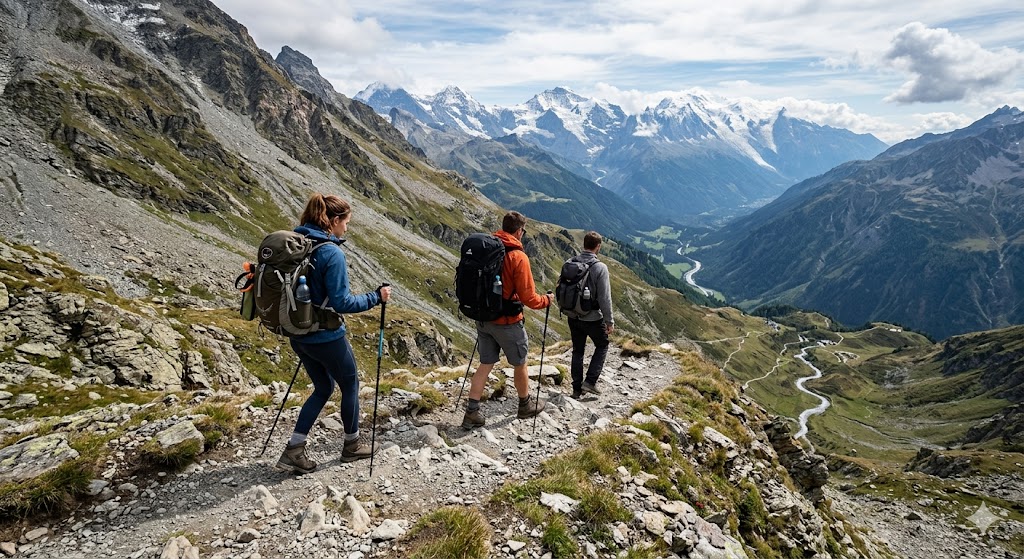
Adventure travel combines physical activity, exploration, and often a degree of uncertainty. It can range from moderately active experiences like guided hikes to more demanding pursuits such as mountaineering or diving.
What sets it apart is engagement. Instead of observing a destination, you participate in it. That might mean navigating terrain, learning new skills, or adapting to unfamiliar environments.
Adventure doesn’t always mean extreme. For many travelers, it simply means stepping outside routine.
Popular Types of Adventure Travel
Adventure travel spans a wide range of environments and activities.
Mountain adventures
Hiking, trekking, and climbing in scenic regions.
Water-based experiences
Kayaking, rafting, scuba diving, and snorkeling.
Wildlife exploration
Safaris and nature expeditions focused on observing animals in their habitats.
Cultural adventures
Immersive travel involving local traditions, food, and daily life.
Each type offers a different balance of challenge and discovery.
Comparing Adventure Travel Styles
Choosing the right type depends on your comfort level and goals.
| Style | Physical Demand | Risk Level | Experience Focus |
|---|---|---|---|
| Hiking & Trekking | Moderate to high | Moderate | Nature and endurance |
| Water Sports | Moderate | Moderate | Skill and excitement |
| Wildlife Travel | Low to moderate | Low | Observation and learning |
| Cultural Adventure | Low | Low | Local interaction |
This comparison can help you find a starting point that matches your interests.
Why Adventure Travel Is So Appealing
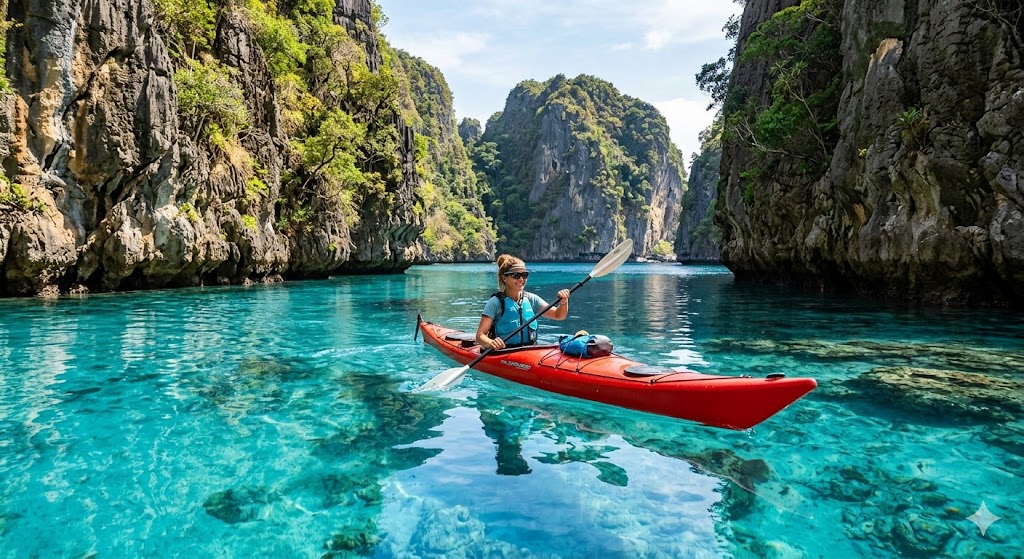
Adventure travel offers a deeper connection to places and experiences.
It encourages personal growth by pushing you beyond familiar routines. Even small challenges—like navigating a new trail or trying a new activity—can build confidence.
It also creates stronger memories. Active participation often leads to more meaningful experiences than passive travel.
Pro Insight
Travelers who plan a mix of activities—some challenging, some relaxed—tend to enjoy longer trips more. Balancing effort with recovery helps maintain energy and enjoyment throughout the journey.
How to Prepare for Adventure Travel
Preparation plays a key role in making the experience enjoyable.
Start by researching your destination, including weather conditions and terrain. Pack appropriate gear, focusing on essentials like footwear, clothing layers, and safety equipment.
Physical preparation also matters. Even moderate activities can feel demanding without basic fitness.
A simple scenario highlights this. A traveler books a multi-day trek without preparation and struggles early in the trip. With a bit of advance training, the same journey could feel far more manageable.
Quick Tip
Always check the skill level required for an activity before booking. Choosing experiences that match your ability can make a significant difference in overall enjoyment.
Safety and Practical Considerations
Safety is a key part of any adventure.
Follow local guidelines and use reputable guides when necessary. Stay aware of environmental conditions, especially in remote areas.
Travel insurance is also worth considering for activities that involve higher risk.
Planning doesn’t remove all uncertainty—but it helps you handle it more confidently.
Choosing the Right Adventure for You
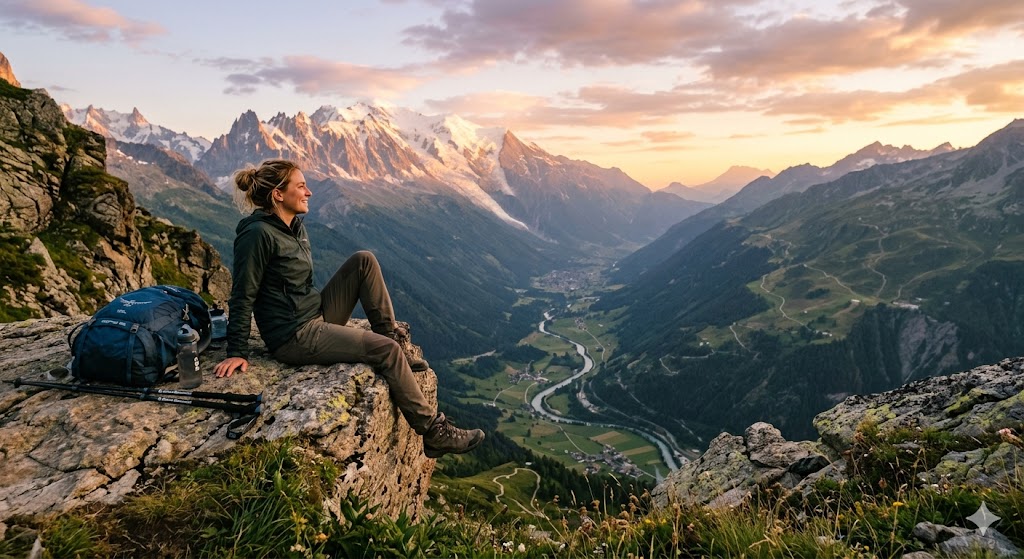
The best adventure travel experiences align with your personal interests and comfort level.
Ask yourself:
- Do you prefer physical challenges or cultural exploration
- Are you traveling solo or with others
- How much structure do you want in your itinerary
Your answers can help narrow down options and create a more satisfying experience.
Frequently Asked Questions
What is considered adventure travel
It includes trips that involve physical activity, exploration, or immersive experiences.
Is adventure travel safe
It can be safe with proper planning, preparation, and awareness of risks.
Do I need to be fit for adventure travel
Not always, but some level of fitness helps depending on the activity.
What should I pack for adventure travel
Essential gear depends on the activity, but typically includes proper clothing, footwear, and safety items.
Can beginners try adventure travel
Yes, many experiences are designed for beginners with guided support.
Conclusion
Adventure travel experiences offer a unique way to explore the world through active participation and discovery. By choosing the right type of adventure and preparing thoughtfully, you can create meaningful journeys that go beyond traditional travel. Whether it’s your first trip or your next challenge, the right experience can leave a lasting impact.
https://www.nps.gov
https://www.usa.gov
https://www.transportation.gov
https://www.cdc.gov
This article is for general informational purposes only and does not provide legal, financial, medical, or professional advice. Policies, rates, and regulations may change over time.