

Travel can be energizing, but it also disrupts routines, sleep patterns, and eating habits. Whether you’re on a short trip or a long journey, maintaining your health while traveling helps you stay comfortable and enjoy your experience more fully.
A few practical habits can make a noticeable difference from departure to return.
Prepare Your Body Before You Travel
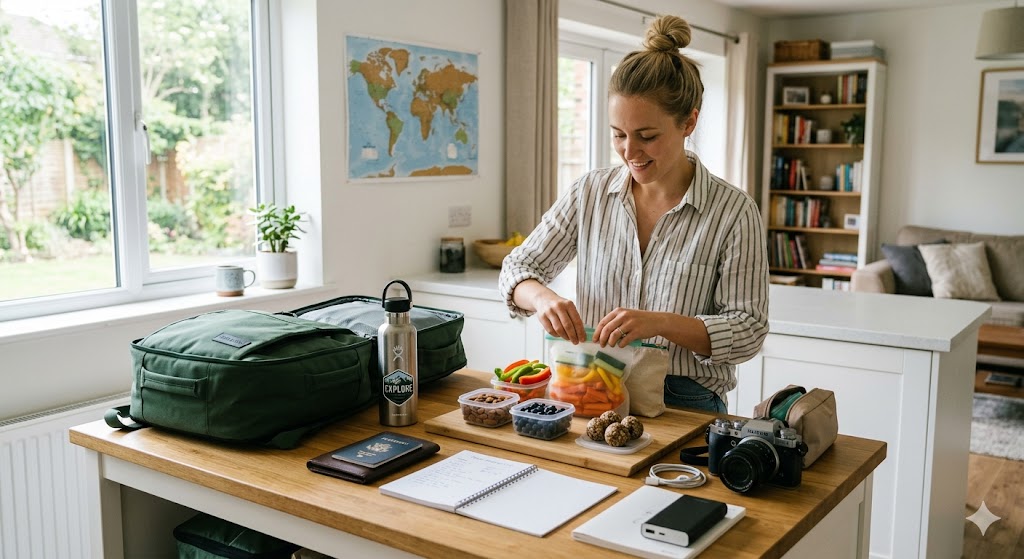
Getting ready for a trip isn’t just about packing—it’s also about preparing your body.
- Get adequate rest before departure
- Stay hydrated in the days leading up to travel
- Plan meals to avoid relying only on airport food
- Pack basic health items like medications and sanitizers
Starting your trip in a balanced state can reduce fatigue later.
Stay Hydrated and Eat Mindfully
Travel often leads to irregular eating and dehydration, especially during flights.
Drink water regularly
Air travel can be dehydrating, so consistent hydration matters.
Limit processed snacks
Airports and convenience stores often offer high-sodium foods.
Balance meals
Include protein, fiber, and healthy fats when possible.
Avoid excessive caffeine or sugar
These can affect energy levels and sleep.
Small adjustments in diet can help maintain steady energy.
Move Your Body During Travel

Sitting for long periods can lead to stiffness and discomfort.
Stretch regularly
Simple movements can improve circulation.
Walk when possible
Take short walks during layovers or breaks.
Choose active options
Use stairs or explore destinations on foot.
Adjust posture
Maintain proper seating posture during transit.
Movement helps reduce fatigue and improves overall comfort.
Healthy vs Unhealthy Travel Habits
| Habit Type | Example | Impact |
|---|---|---|
| Healthy | Drinking water regularly | Maintains energy |
| Healthy | Walking during layovers | Improves circulation |
| Unhealthy | Skipping meals | Low energy levels |
| Unhealthy | Excess caffeine | Disrupted sleep |
Small habits can shape how you feel throughout your trip.
Pro Insight
Consistency matters more than perfection. You don’t need to follow a strict routine while traveling—maintaining a few core habits like hydration, movement, and sleep can keep you balanced.
Protect Your Sleep and Energy
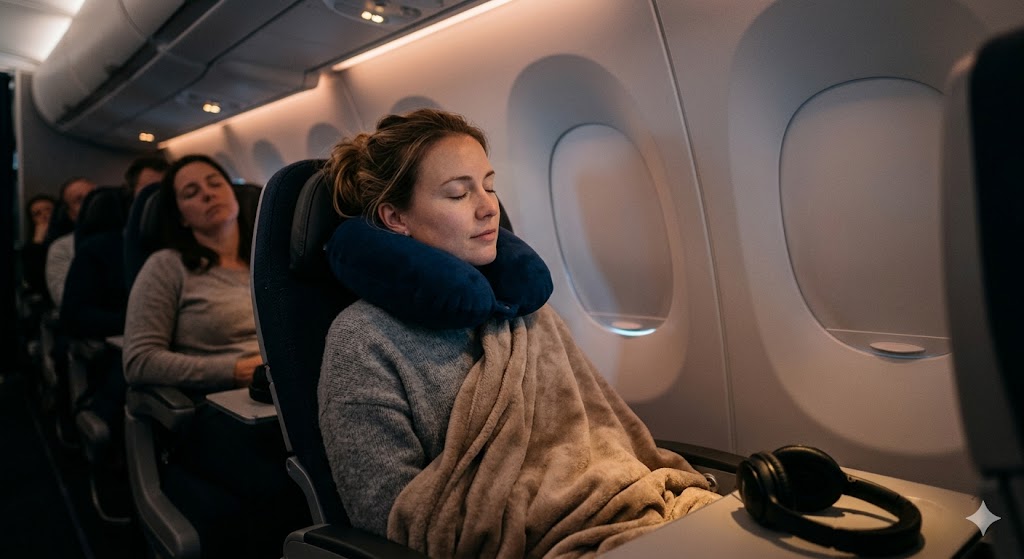
Sleep disruption is one of the most common travel challenges.
Adjust gradually to new time zones
Shift your schedule slightly before departure if possible.
Use natural light exposure
Daylight helps reset your internal clock.
Create a sleep-friendly environment
Use eye masks or earplugs if needed.
Avoid screens before sleep
This can improve rest quality.
Better sleep leads to better overall travel experiences.
Quick Tip
Carry a reusable water bottle and refill it frequently. It’s a simple way to stay hydrated without relying on limited options.
Real-World Micro Scenario
A traveler skips meals, drinks mostly coffee, and stays inactive during a long flight. Upon arrival, they feel exhausted and struggle with jet lag.
Another traveler hydrates regularly, stretches during the flight, and eats balanced snacks. They arrive feeling more energized and ready to explore.
The difference often comes down to simple habits.
Maintain Hygiene and Prevent Illness
Travel exposes you to new environments and germs.
Wash or sanitize hands regularly
Especially before eating.
Avoid touching your face frequently
Reduces risk of infection.
Carry basic hygiene items
Hand sanitizer, wipes, and tissues.
Be mindful in crowded spaces
Airports and transit areas can be busy.
Staying aware helps reduce common travel-related illnesses.
Frequently Asked Questions
How can I stay healthy while flying?
Stay hydrated, move regularly, and avoid heavy or processed foods.
What should I eat during travel?
Aim for balanced meals with protein, fiber, and healthy fats when possible.
How do I avoid jet lag?
Adjust your schedule gradually and get exposure to natural light.
Is it important to exercise while traveling?
Yes, even light movement can improve circulation and reduce fatigue.
What is the most important healthy travel habit?
Staying hydrated consistently is one of the simplest and most effective habits.
Conclusion
Healthy travel doesn’t require strict routines—just consistent, practical habits. By focusing on hydration, movement, sleep, and hygiene, you can maintain your well-being even while on the move.
A little preparation and awareness can help you feel better, stay energized, and make the most of your journey.
Trusted U.S. Resources
https://www.cdc.gov
https://www.travel.state.gov
https://www.tsa.gov
https://www.nih.gov
This article is for general informational purposes only and does not provide legal, financial, medical, or professional advice. Policies, rates, and regulations may change over time.