

Halal food packing isn’t just about keeping meals fresh—it’s also about preserving cleanliness, preventing cross-contamination, and maintaining confidence that the food remains compliant from preparation to consumption.
Whether you’re packing meals for travel, work, or events, a few thoughtful steps can make a noticeable difference in both quality and safety.
Why Proper Halal Food Packing Matters

Packing halal food properly helps maintain both hygiene and integrity. Unlike casual food storage, halal considerations include how food is handled, stored, and transported.
Key reasons it matters:
- Prevents contact with non-halal items
- Maintains freshness and taste
- Reduces risk of spoilage during travel
- Supports safe and respectful food handling
Even small oversights—like shared utensils or containers—can compromise the process.
Essential Packing Materials to Use
Choosing the right materials plays a major role in preserving food quality.
Airtight containers
Help prevent leaks and keep food fresh longer.
Insulated bags
Maintain temperature, especially for hot meals or perishable items.
Separate compartments
Useful for keeping different dishes from mixing.
Food-safe wraps and liners
Add an extra layer of protection during transport.
For longer trips, combining multiple layers—like containers inside insulated bags—offers better results.
Best Practices for Packing Halal Food
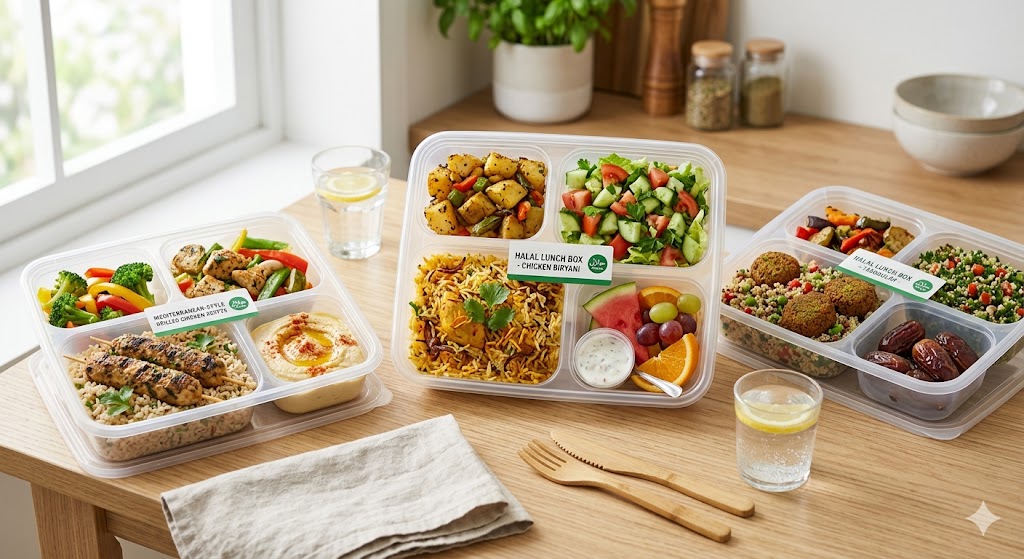
Keep halal items separate
Avoid mixing with non-halal food at any stage, including storage and transport.
Label containers clearly
This is especially helpful in shared environments like offices or events.
Control temperature carefully
Hot food should stay hot, and cold food should stay cold to reduce spoilage risk.
Pack just before leaving
Minimizes time spent in unsafe temperature ranges.
Use clean utensils and surfaces
Cross-contact can happen easily without proper cleaning.
Comparison of Packing Methods
| Method | Best For | Key Benefit |
|---|---|---|
| Airtight containers | Daily meals | Keeps food fresh and contained |
| Vacuum sealing | Travel or storage | Extends shelf life |
| Insulated lunch bags | Work or school | Maintains temperature |
| Disposable packaging | Events | Convenient and hygienic |
Each method works best depending on how long the food will be stored and where it’s being taken.
Pro Insight
Temperature control is often underestimated. Even properly prepared halal food can lose quality quickly if left at room temperature for too long. Using insulated storage isn’t just helpful—it’s often essential for maintaining both safety and taste.
Packing Halal Food for Travel
Travel introduces additional challenges, especially for longer durations.
Short trips
Simple insulated bags with ice packs or heat packs usually work well.
Long-distance travel
Consider vacuum sealing or packing non-perishable halal items.
Air travel
Check regulations for carrying food, especially liquids or sauces.
Planning ahead can prevent last-minute compromises on food quality.
Quick Tip
Pack sauces or liquids in separate small containers. This prevents spills and keeps the main meal fresh and properly textured.
Real-World Micro Scenario
Someone packs a homemade halal chicken rice meal for a day trip. Instead of placing everything in one container, they separate the rice, chicken, and sauce.
By lunchtime, the meal still tastes fresh, and nothing has become soggy or mixed unintentionally.
Small adjustments like this can noticeably improve the eating experience.
Common Mistakes to Avoid
Even with good intentions, a few common missteps can affect results.
Using shared containers without proper cleaning
This increases the risk of cross-contamination.
Overpacking hot food without ventilation
Can lead to condensation and soggy texture.
Ignoring storage time limits
Perishable food shouldn’t sit out too long.
Mixing raw and cooked items
Always store them separately to maintain safety.

Frequently Asked Questions
What is the best way to pack halal food for work?
Use airtight containers and an insulated bag to maintain temperature and prevent contamination.
Can halal food be stored with non-halal food?
It’s best to keep them separate to avoid cross-contact and maintain compliance.
How long can packed halal food stay fresh?
It depends on the type of food, but perishable items should generally not stay at room temperature for more than a few hours.
Is vacuum sealing suitable for halal food?
Yes, it helps extend freshness and is useful for travel or longer storage.
What should I avoid when packing halal meals?
Avoid unclean containers, mixing foods, and improper temperature control.
Conclusion
Halal food packing is about more than convenience—it’s about maintaining quality, safety, and proper handling from start to finish. With the right materials and simple habits, you can keep meals fresh and reliable wherever you go.
A little preparation goes a long way in preserving both flavor and peace of mind.
Trusted U.S. Resources
https://www.fsis.usda.gov
https://www.fda.gov
https://www.cdc.gov
https://www.usda.gov
This article is for general informational purposes only and does not provide legal, financial, medical, or professional advice. Policies, rates, and regulations may change over time.