

Eating halal on a budget doesn’t mean sacrificing flavor or variety. With the right approach, you can enjoy satisfying meals while keeping costs under control—whether you’re traveling or managing daily expenses.
The key is combining smart food choices, strategic planning, and knowing where to look.
What Makes Halal Dining Budget-Friendly
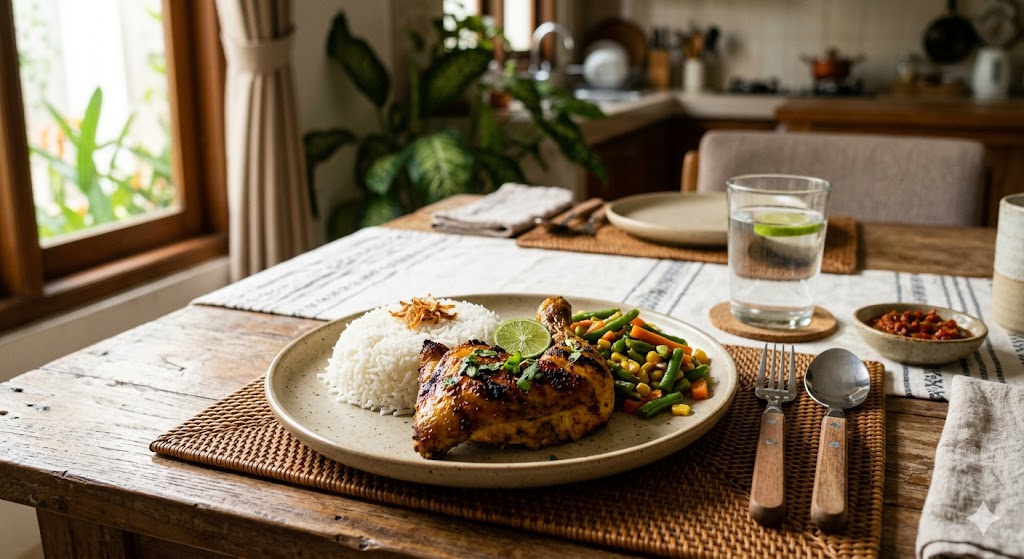
Budget-friendly halal dining focuses on:
- Affordable ingredients like grains and legumes
- Simple cooking methods
- Local and seasonal food options
- Minimizing waste and unnecessary spending
Meals don’t have to be complex to be filling and nutritious.
Affordable Halal Food Choices
Some foods consistently offer good value without compromising halal requirements.
- Rice and grains – cheap, filling, and versatile
- Lentils and beans – high-protein and low cost
- Eggs – one of the most affordable protein sources
- Chicken thighs or drumsticks – usually cheaper than breast cuts
- Seasonal vegetables – lower price and better quality
Staples like lentils, beans, and eggs are widely recommended as cost-effective halal protein sources. (guidetohalal.com)
Budget Halal Meals Comparison
| Meal Type | Estimated Cost | Why It Works |
|---|---|---|
| Rice + chicken | Low | Filling and widely available |
| Lentil curry (dal) | Very low | Cheap protein, easy to cook |
| Noodle soup | Low | Uses simple ingredients |
| Wraps or kebabs | Moderate | Convenient and portable |
Simple meals often deliver the best value.
Pro Insight
Many of the most affordable halal meals come from traditional recipes. Dishes like dal, rice bowls, or simple curries were originally designed to be both nutritious and economical—making them ideal for budget-conscious dining today.
Eating Halal on a Budget While Traveling

When traveling, costs can rise quickly—but a few habits help keep spending low:
- Eat at local food courts or street vendors
- Visit neighborhoods with Muslim communities
- Look for halal-certified convenience foods
- Choose simple, local dishes instead of tourist meals
For example, in some cities, meals from food courts or street vendors can cost just a few dollars while still being halal-certified. (Bangkok Halal)
Quick Tip
Eat where locals eat. Restaurants targeting tourists often charge more, while local spots usually offer better prices and authentic halal food.
Smart Grocery and Cooking Strategies
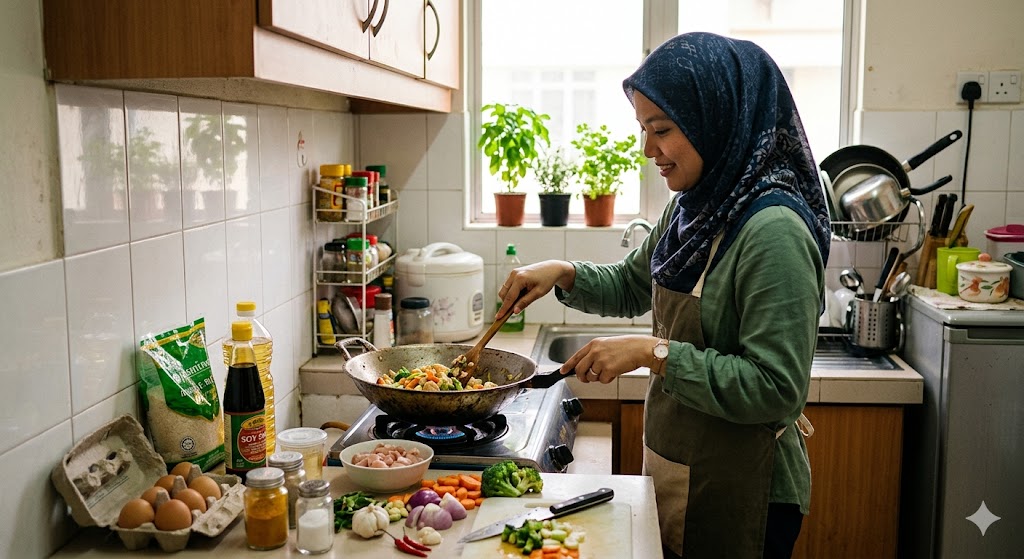
If you cook your own meals, your savings increase significantly.
- Buy ingredients in bulk (rice, beans, frozen vegetables)
- Choose frozen or seasonal produce
- Cook multiple meals at once
- Use leftovers creatively
Buying in bulk and choosing seasonal foods can noticeably reduce overall food costs. (retailjourney.com)
Cooking at home is also one of the most effective ways to control spending and ingredients. (guidetohalal.com)
Real-world Scenario
A student on a tight budget spends most of their money on takeaway meals and struggles to keep costs down.
They switch to:
- Cooking rice and lentil dishes at home
- Buying chicken in bulk
- Eating out only occasionally at local halal stalls
Within a few weeks, their food expenses drop significantly while meals remain satisfying.
Common Budget Mistakes to Avoid
- Buying premium halal products unnecessarily
- Eating out too frequently
- Ignoring cheaper protein sources like legumes
- Wasting leftovers
- Shopping without a plan
Small habits often have the biggest impact on your budget.
Frequently Asked Questions
Is halal food more expensive
Not always. Costs depend on ingredients and where you buy or eat.
What is the cheapest halal protein
Lentils, beans, and eggs are among the most affordable options.
Can I eat halal on a very tight budget
Yes, especially by cooking at home and using staple ingredients.
Are street foods usually halal
In Muslim-majority areas, many are halal, but always check certification.
How can I save money when eating out
Choose local eateries, avoid tourist areas, and look for simple menu items.
Conclusion
Halal dining on a budget is achievable with thoughtful planning and smart choices. By focusing on affordable ingredients, cooking when possible, and choosing local dining options, you can maintain both your dietary needs and your financial balance.
In many cases, the simplest meals turn out to be the most satisfying—and the most cost-effective.
Trusted U.S. Resources
https://www.usa.gov/food-help
https://www.nutrition.gov
https://www.fns.usda.gov
https://www.cdc.gov/nutrition
This article is for general informational purposes only and does not provide legal, financial, medical, or professional advice. Policies, rates, and regulations may change over time.