

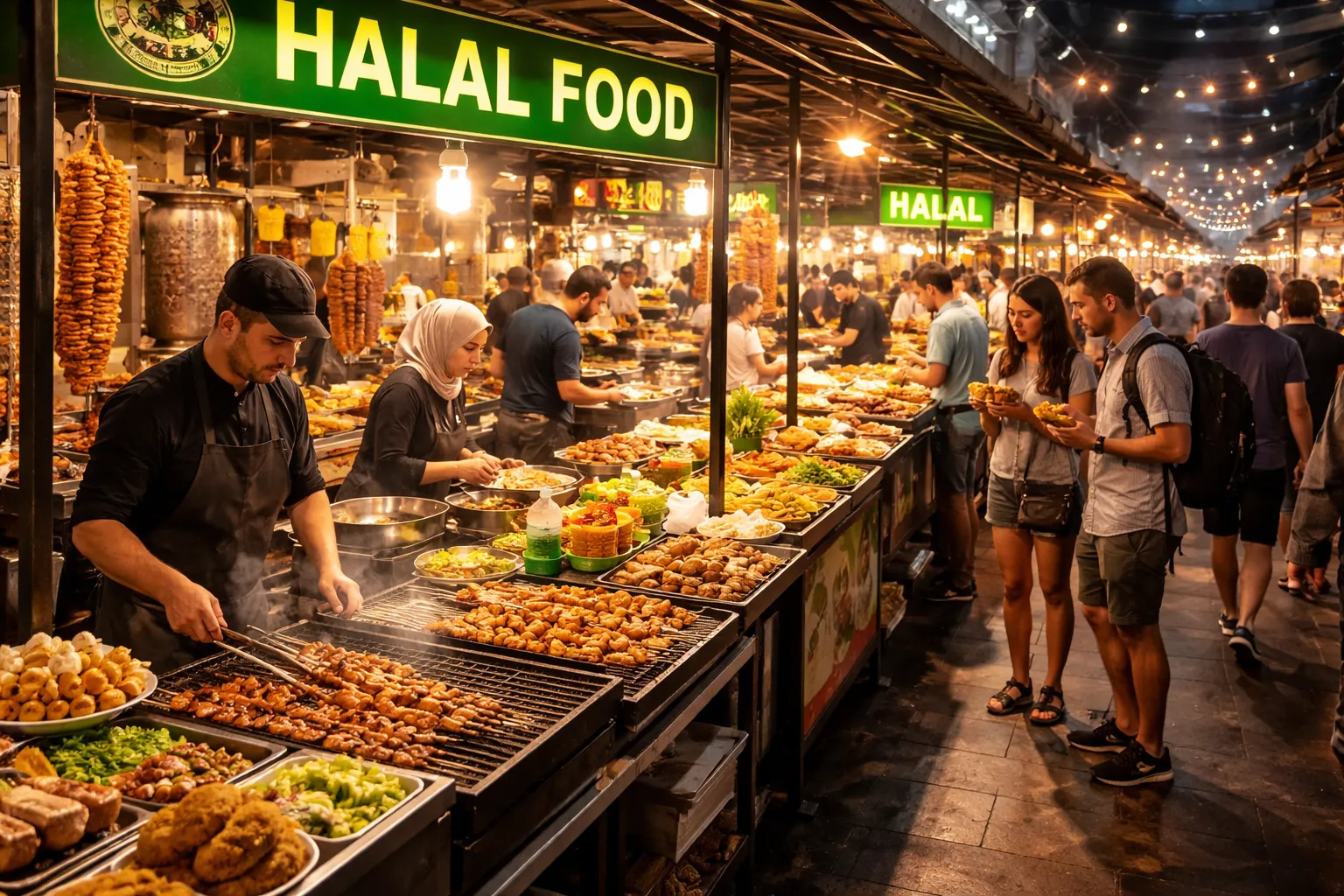
Finding halal food while traveling has become increasingly accessible as global awareness of dietary preferences grows. Many cities now offer vibrant halal food markets where travelers can explore local cuisine while adhering to halal standards.
For Muslim travelers and anyone interested in diverse culinary experiences, halal food markets provide more than just meals. They offer a glimpse into local culture, community traditions, and regional flavors.
Understanding how to locate and navigate these markets can make travel both easier and more enjoyable.
What Halal Food Markets Offer
Halal food markets are areas where vendors sell food prepared according to halal guidelines. These markets may range from small neighborhood stalls to large, organized food hubs.
Typical offerings include:
- Freshly prepared street food
- Traditional regional dishes
- Halal-certified meat and ingredients
- Desserts and beverages
In many destinations, halal markets reflect the cultural diversity of the local Muslim community.
They often serve as gathering places where food, culture, and social interaction come together.
Popular Destinations for Halal Food Markets
Some cities are especially well known for their halal food scenes.
| Destination | Market Style | Highlights |
|---|---|---|
| Istanbul, Turkey | Traditional bazaars | Kebabs, sweets, spices |
| Kuala Lumpur, Malaysia | Night markets | Street food variety |
| Dubai, UAE | Modern food markets | International halal cuisine |
| London, UK | Urban markets | Diverse global dishes |
These destinations offer a wide range of halal food experiences, from traditional street vendors to modern food halls.
Travelers often find that halal options are integrated into the broader food culture rather than limited to specific areas.
How to Find Halal Food While Traveling
Locating halal food in unfamiliar destinations can be easier with a few practical strategies.
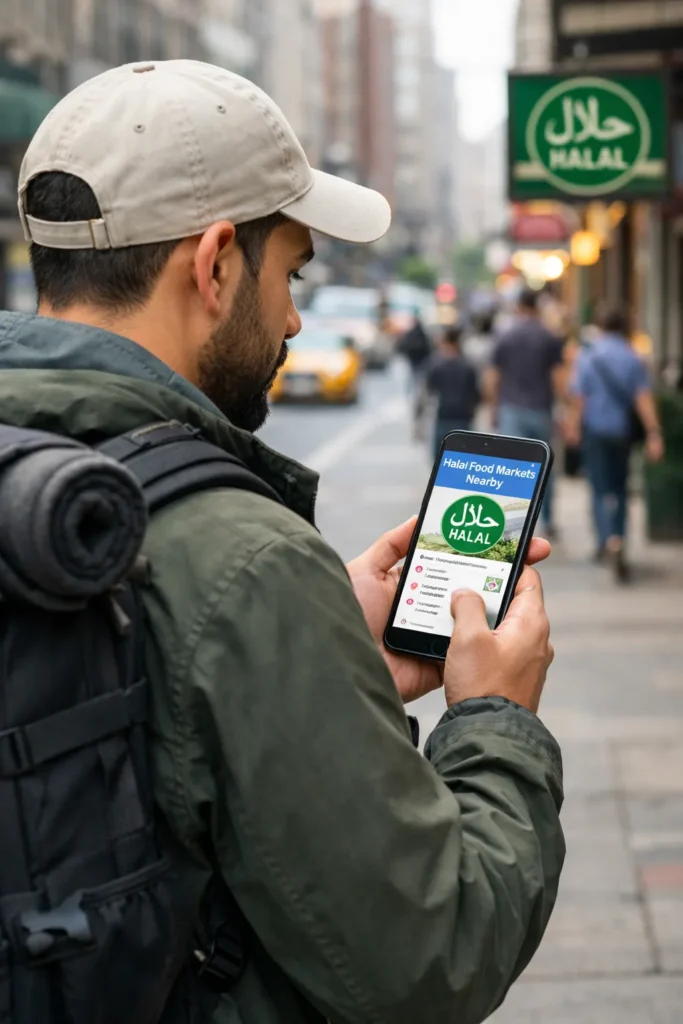
Useful approaches include:
- Using halal food apps and maps
- Searching for restaurants with halal certification
- Visiting areas with established Muslim communities
- Asking local residents or hotel staff
In many major cities, halal restaurants are clearly labeled, making them easier to identify.
Planning ahead can also help ensure consistent access to suitable dining options.
What to Look for in Halal Markets
Not all food markets are specifically labeled as halal, so it helps to know what to check.
Common indicators include:
Halal certification signs
Official labels from recognized authorities.
Vendor transparency
Clear information about ingredients and preparation methods.
Separate preparation areas
In some cases, vendors maintain separate cooking spaces to meet halal standards.
Community presence
Markets in Muslim-majority areas are more likely to offer fully halal options.
Being mindful of these details helps ensure food meets dietary preferences.
Pro Insight
Experienced travelers often combine online research with local recommendations. While apps and reviews are helpful, speaking with local residents or vendors can lead to more authentic and reliable halal food experiences.
This approach often uncovers lesser-known markets that may not appear in standard travel guides.
Enjoying Halal Street Food Safely
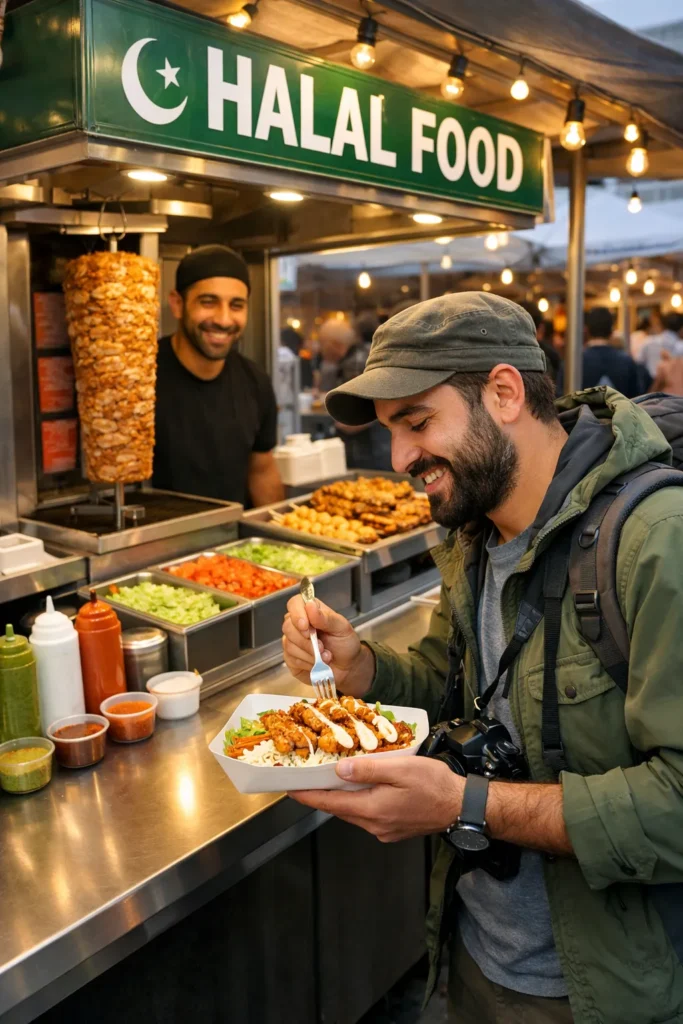
Street food markets can be a highlight of travel, but basic precautions help ensure a positive experience.
- Choose vendors with high customer turnover
- Look for clean preparation areas
- Observe how food is stored and handled
- Prefer freshly cooked items
These habits apply to all travelers and help reduce potential food-related issues.
Quick Tip
Visit halal markets during peak hours. This often ensures fresher food, more variety, and a livelier atmosphere.
Frequently Asked Questions
Are halal food markets available worldwide?
Yes. Many cities around the world offer halal food options, especially in areas with diverse populations.
How can I confirm if food is halal?
Look for certification labels, ask vendors directly, or visit establishments known within local Muslim communities.
Do non-Muslim countries have halal markets?
Yes. Many non-Muslim-majority countries have halal restaurants and markets, particularly in large cities.
Is halal street food safe to eat?
It can be safe when basic hygiene practices are followed, such as choosing busy vendors and freshly prepared food.
Are halal markets more expensive?
Not necessarily. Prices vary by location, but many halal markets offer affordable street food options.
Conclusion
Halal food markets offer travelers a unique way to explore local cuisine while maintaining dietary preferences. From traditional street stalls to modern food hubs, these markets reflect the cultural richness of destinations around the world.
With a combination of preparation, awareness, and curiosity, travelers can enjoy diverse halal food experiences across different regions.
By understanding how to find and evaluate halal options, exploring global destinations becomes both accessible and rewarding.
Trusted U.S. Resources
https://www.usa.gov
https://www.travel.state.gov
https://www.fda.gov
https://www.cdc.gov
This article is for general informational purposes only and does not provide legal, financial, medical, or professional advice. Policies, rates, and regulations may change over time.