

Hostels offer more than affordable accommodation. They create shared spaces where travelers meet, exchange stories, and experience destinations differently. For first-time guests, though, the idea of communal rooms and shared facilities can feel uncertain.
With the right preparation, hostel stays can be comfortable, secure, and surprisingly enjoyable. A few thoughtful habits make all the difference.
Choosing the Right Hostel
Not all hostels are the same. Some focus on social events and nightlife. Others prioritize quiet, work-friendly environments.
Before booking, review:
- Recent guest ratings and reviews
- Location relative to public transportation
- Room type options (mixed dorm, female-only, private room)
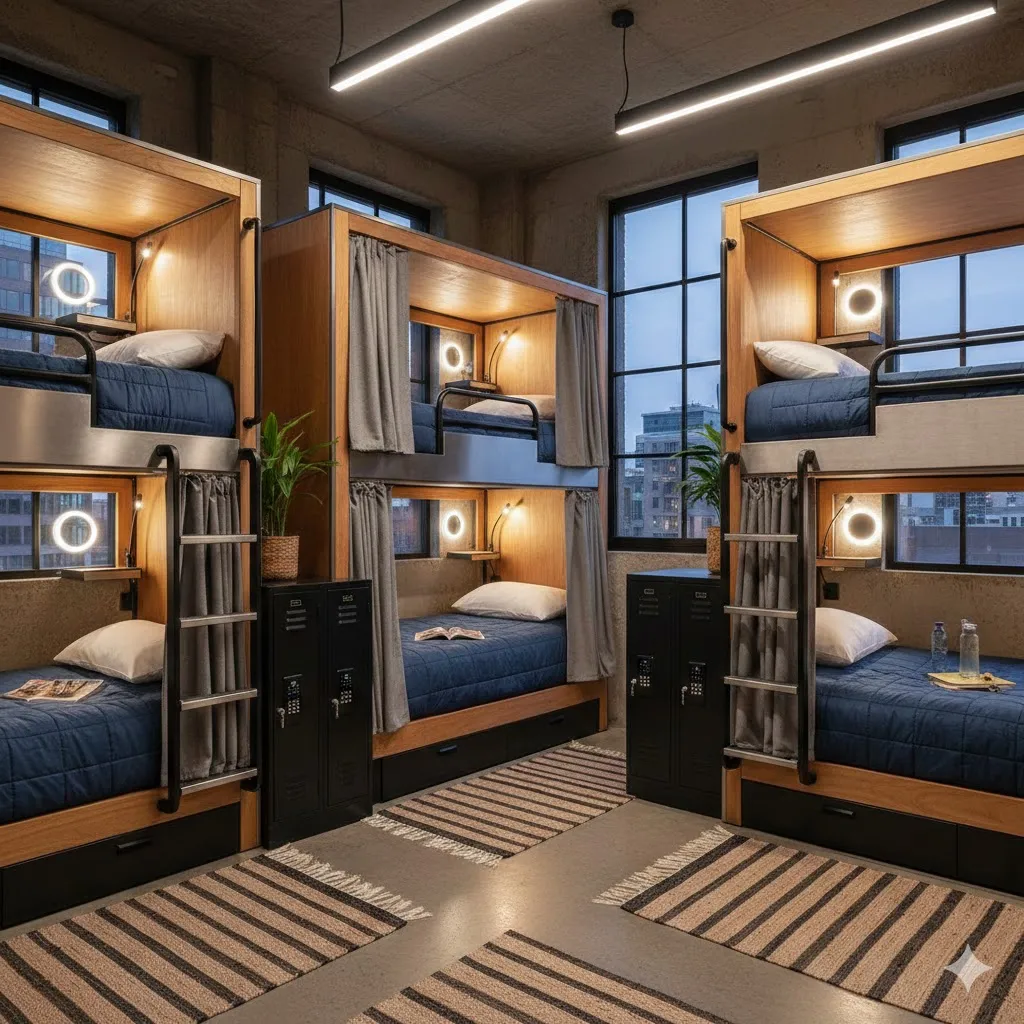
- Security features like lockers and keycard access
- On-site amenities such as kitchen or laundry
A centrally located hostel may cost slightly more but save time and transportation expenses.
What to Pack for a Hostel Stay
Packing thoughtfully can improve comfort without adding unnecessary weight.
Common hostel essentials include:
- A compact padlock for lockers
- Flip-flops for shared showers
- Travel towel (if not provided)
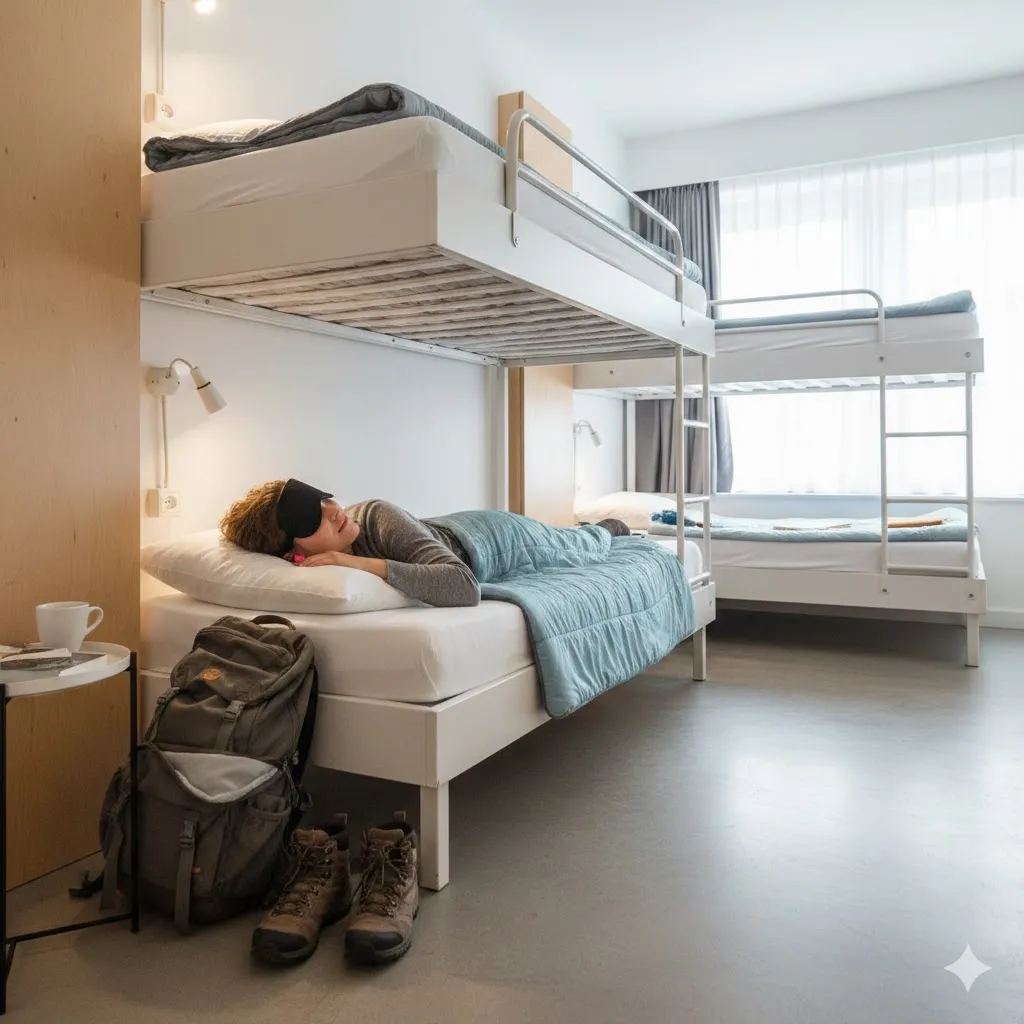
- Earplugs and sleep mask
- Portable charger
These items address the most common dorm-related challenges: noise, privacy, and shared facilities.
Light preparation prevents avoidable inconveniences.
Shared Spaces and Social Etiquette
Hostels thrive on shared environments. Respecting others helps maintain a positive atmosphere.
Simple guidelines include:
- Keep belongings organized
- Avoid turning on bright lights late at night
- Use headphones instead of speaker mode
- Limit loud conversations during sleeping hours
- Clean up after using shared kitchens
One traveler might arrive late from a long flight. Another may have an early morning departure. Courtesy bridges those differences.
The experience improves when everyone contributes.
Comparison of Hostel Room Options
| Room Type | Privacy Level | Cost | Best For |
|---|---|---|---|
| Mixed Dorm | Low | Lowest | Budget travelers |
| Female-Only Dorm | Moderate | Low to Moderate | Women seeking added comfort |
| Small Shared Room | Moderate | Moderate | Small groups |
| Private Room | High | Higher | Couples or solo travelers wanting privacy |
Choosing the right room depends on budget, comfort preferences, and social goals.
Private rooms offer quiet while still allowing access to communal areas. Dorm rooms provide lower cost and stronger social interaction.
Pro Insight
The social value of hostels often outweighs the savings. Many long-term travelers build friendships, find local activity partners, or discover hidden attractions through casual conversations in common rooms.
Engagement is optional — but openness can enrich the experience.
Security and Personal Belongings
Security concerns are common among new hostel guests. Most reputable hostels provide lockers, but travelers should take responsibility for personal items.
Best practices include:
- Using a sturdy lock
- Keeping valuables secured
- Avoiding display of expensive items
- Storing passports discreetly
If lockers aren’t available, consider a small cable lock to secure bags to fixed furniture.
Awareness supports peace of mind.
Quick Tip
Label your charging cable and personal items. In shared rooms, similar belongings can easily get mixed up — usually unintentionally.
Small identifiers prevent confusion.
Managing Noise and Sleep Quality
Dorm environments naturally include some level of noise. Late arrivals, early departures, and varied schedules are part of the setting.
To improve sleep:
- Choose lower bunks if you prefer stability
- Bring earplugs
- Use a sleep mask
- Select hostels known for quieter atmospheres
For example, a traveler working remotely may prioritize a smaller hostel with quiet hours rather than a party-oriented property. Matching expectations with the environment reduces frustration.
Making the Most of Hostel Amenities
Many hostels provide:
- Shared kitchens
- Organized tours
- Walking excursions
- Game nights or social events
- Co-working spaces
Participating selectively helps balance exploration with rest. Cooking a few meals in the hostel kitchen can also reduce travel expenses.
Flexibility is one of the greatest advantages of hostel stays.

Frequently Asked Questions
Are hostels safe for solo travelers?
Most reputable hostels implement security measures such as lockers, reception desks, and keycard access. Reading recent reviews helps assess safety standards.
Do hostels provide bedding and towels?
Bedding is typically included. Towels may be provided or available for rent. Checking listing details before arrival prevents surprises.
Can older travelers stay in hostels?
Yes. While many guests are younger, hostels increasingly accommodate travelers of various ages, especially those offering private rooms.
How early should I book a hostel?
Booking in advance is advisable during peak travel seasons or in popular destinations. Availability can change quickly.
Is staying in a hostel cheaper than a hotel?
Dorm rooms are usually less expensive than hotels. Private hostel rooms may be comparable in price but often include communal benefits.
Conclusion
Tips for hostel stays revolve around preparation, courtesy, and flexibility. Choosing the right property, packing essentials, respecting shared spaces, and securing belongings create a smoother experience.
Hostels aren’t just budget accommodations. They offer opportunities for connection, cultural exchange, and memorable travel moments. With practical planning and an open mindset, they can become a highlight of your journey.
https://www.usa.gov/travel
https://www.cdc.gov/travel
https://www.consumer.ftc.gov
https://travel.state.gov
This article is for general informational purposes only and does not provide legal, financial, medical, or professional advice. Policies, rates, and regulations may change over time.