

Travel changes routines. Meal times shift, restaurant options vary, and convenience often replaces careful planning. Without intention, it’s easy to overeat, feel sluggish, or spend more than expected. Thoughtful travel food tips can help you stay energized and comfortable while still enjoying local cuisine.
Eating well on the road isn’t about strict rules. It’s about balance, preparation, and flexibility.
Plan Ahead Before You Leave
The best travel food decisions often happen before the trip begins.
Research your destination’s food culture and availability. If you’re staying in a hotel, check whether it includes breakfast. If you’re booking a rental, confirm kitchen access. Even small details — like proximity to grocery stores — can influence your daily choices.
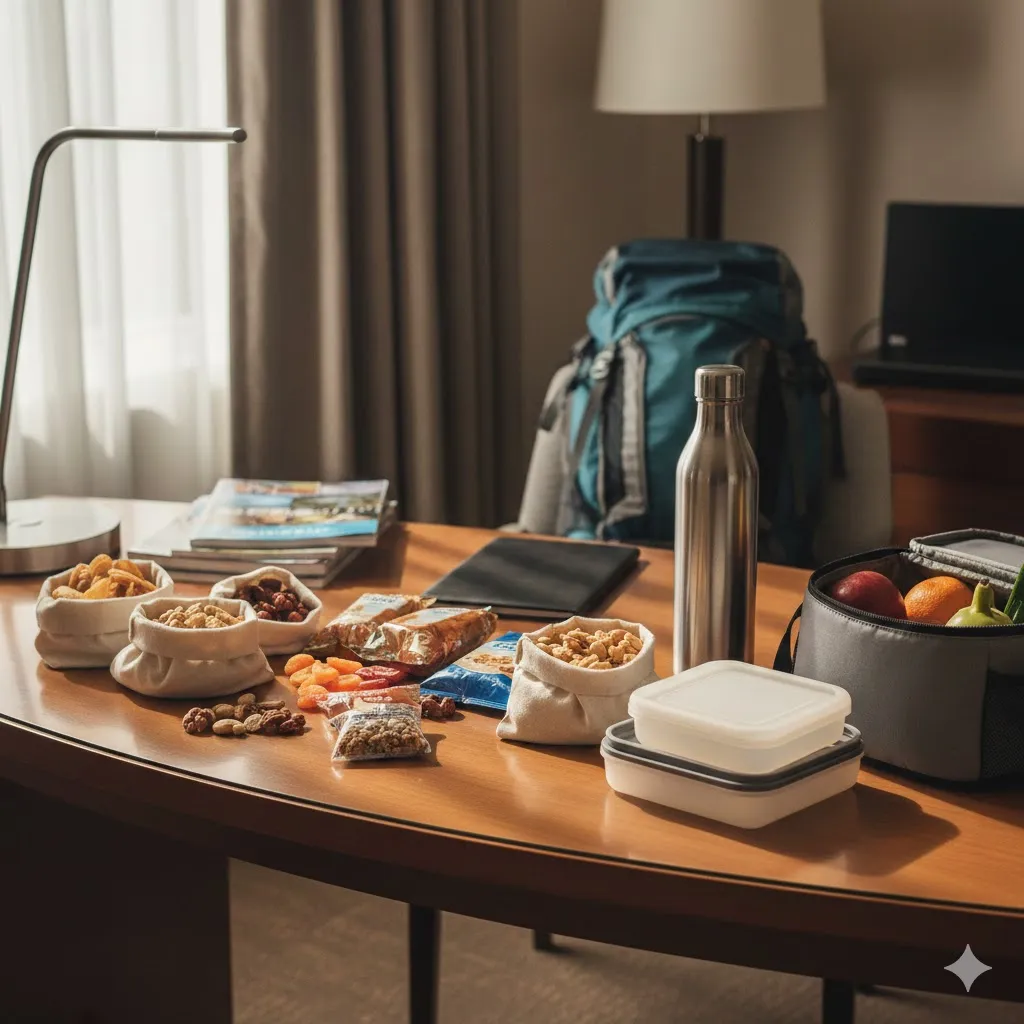
Pack portable, non-perishable snacks such as:
- Nuts or trail mix
- Protein bars
- Whole-grain crackers
- Dried fruit
- Reusable water bottle
These items prevent impulse purchases at airports or tourist-heavy areas where options may be limited.
Balance Local Cuisine with Familiar Choices
Trying regional dishes is part of the travel experience. However, eating every meal as a heavy specialty can leave you feeling fatigued.
A practical approach:
- Enjoy one standout local meal daily
- Keep other meals lighter and simpler
- Include vegetables or fresh produce whenever available
- Stay hydrated consistently
For example, if you’re exploring a city known for rich comfort food, consider a lighter breakfast and balanced lunch before indulging at dinner. This keeps energy levels steady without missing culinary highlights.
Moderation preserves enjoyment.
Compare Airport and On-the-Go Food Options
Travel days often present limited food choices. Here’s a simple comparison to guide smarter decisions:
| Option | Convenience | Nutritional Value | Cost Efficiency |
|---|---|---|---|
| Fast Food Chains | High | Often lower | Moderate |
| Sit-Down Airport Restaurants | Moderate | Varies | Higher |
| Pre-Packed Snacks from Home | High | Controlled | Lower |
| Grocery Store Grab-and-Go | Moderate | Higher flexibility | Moderate |
Packing snacks and purchasing fresh items from local grocery stores typically offers better cost control and nutrition balance than relying solely on convenience vendors.
Stay Hydrated During Travel
Air travel and long road trips contribute to dehydration. Cabin air is dry, and travelers often drink less water while on the move.
Carry a refillable water bottle and drink regularly, especially during flights. Limiting excessive caffeine or sugary beverages can also prevent energy crashes.
Hydration supports digestion, focus, and overall comfort.
Pro Insight
Travel fatigue is frequently linked to irregular eating patterns rather than just sleep disruption. Skipping meals, overeating late at night, or relying heavily on processed snacks can intensify jet lag symptoms and digestive discomfort.
Maintaining roughly consistent meal timing — even across time zones — can help stabilize energy levels.
Small routine anchors make a difference.
Be Mindful of Food Safety Abroad
When traveling internationally, food safety deserves attention.
Practical considerations include:
- Eating at reputable, well-reviewed establishments
- Choosing freshly prepared foods served hot
- Avoiding unpasteurized dairy products where standards vary
- Washing hands frequently before meals
In some regions, bottled or treated water may be safer than tap water. Researching local guidelines in advance reduces uncertainty.
Awareness supports confidence while exploring.
Quick Tip
If you’re traveling with limited refrigeration access, choose shelf-stable foods that won’t spoil easily. Items like nut butter packets, whole fruits, and sealed protein snacks travel well without requiring cooling.
Simplicity keeps logistics manageable.
Budgeting for Food While Traveling
Food expenses can escalate quickly in tourist areas. Setting a daily food budget encourages thoughtful choices without limiting enjoyment.
Consider:
- Alternating restaurant meals with grocery-based meals
- Sharing large portions when appropriate
- Choosing lunch specials instead of dinner menus
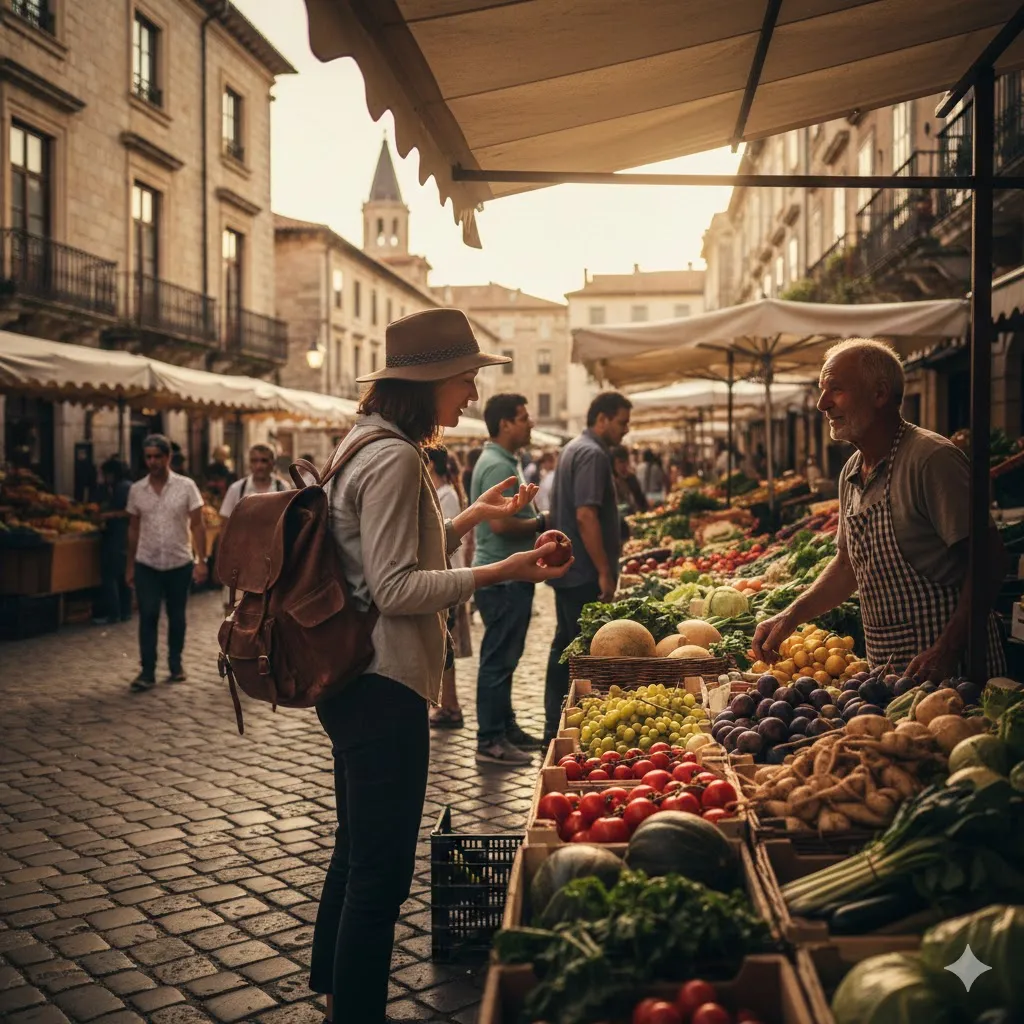
- Exploring local markets for fresh, affordable options
For instance, a traveler in a major city may enjoy a restaurant dinner but purchase breakfast items from a neighborhood market for the following morning. The result is both cost control and cultural exposure.
Frequently Asked Questions
How can I eat healthy while traveling?
Plan ahead with portable snacks, stay hydrated, balance indulgent meals with lighter options, and seek out grocery stores for fresh produce.
What foods are best for long flights?
Nuts, protein bars, whole fruits, and sandwiches with stable ingredients travel well and help maintain steady energy.
Is it safe to try street food when traveling?
Street food can be safe when purchased from busy vendors with high turnover and freshly prepared items. Observing cleanliness practices helps reduce risk.
How do I avoid overeating on vacation?
Maintain regular meal timing, avoid skipping meals earlier in the day, and focus on savoring one main indulgent meal rather than multiple heavy dishes.
Should I bring food from home when traveling internationally?
Non-perishable snacks are generally acceptable for personal use, but check customs regulations regarding fresh produce and restricted items.
Conclusion
Travel food tips aren’t about restriction. They’re about making intentional choices that support energy, comfort, and enjoyment.
By planning ahead, balancing local experiences with familiar staples, staying hydrated, and monitoring food safety, travelers can feel their best without sacrificing culinary exploration. Thoughtful preparation helps ensure that food enhances your trip rather than complicates it.
https://www.cdc.gov
https://www.fda.gov
https://www.usa.gov/travel
https://www.fsis.usda.gov
This article is for general informational purposes only and does not provide legal, financial, medical, or professional advice. Policies, rates, and regulations may change over time.