

Halal food must-tries go far beyond kebabs and curry. In 2026, halal cuisine reflects centuries of tradition blended with modern creativity. From bustling American food trucks to centuries-old Middle Eastern kitchens, halal dishes tell stories of culture, migration, and community.
Whether you’re exploring halal food while traveling or discovering local options in your own city, these dishes deserve a place on your list.
Shawarma That Defines Street Flavor
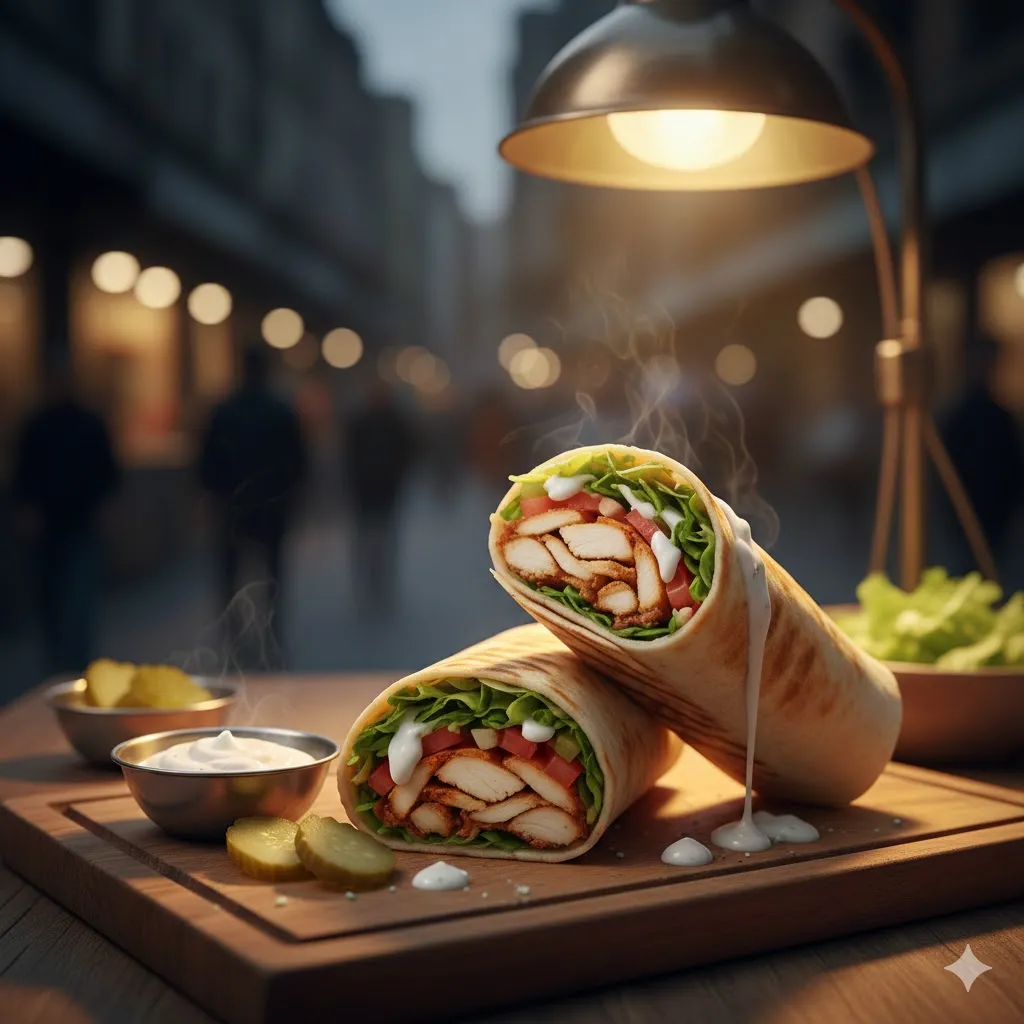
Few halal dishes are as globally loved as shawarma.
Thinly sliced, marinated meat — often chicken, lamb, or beef — is stacked on a vertical rotisserie, slow-roasted, and shaved into warm flatbread. Garlic sauce, pickles, and tahini elevate the experience.
In cities like New York and Houston, halal shawarma has become a late-night staple. Meanwhile, in Amman or Beirut, it’s a lunchtime ritual.
Biryani Rich With Aromatics
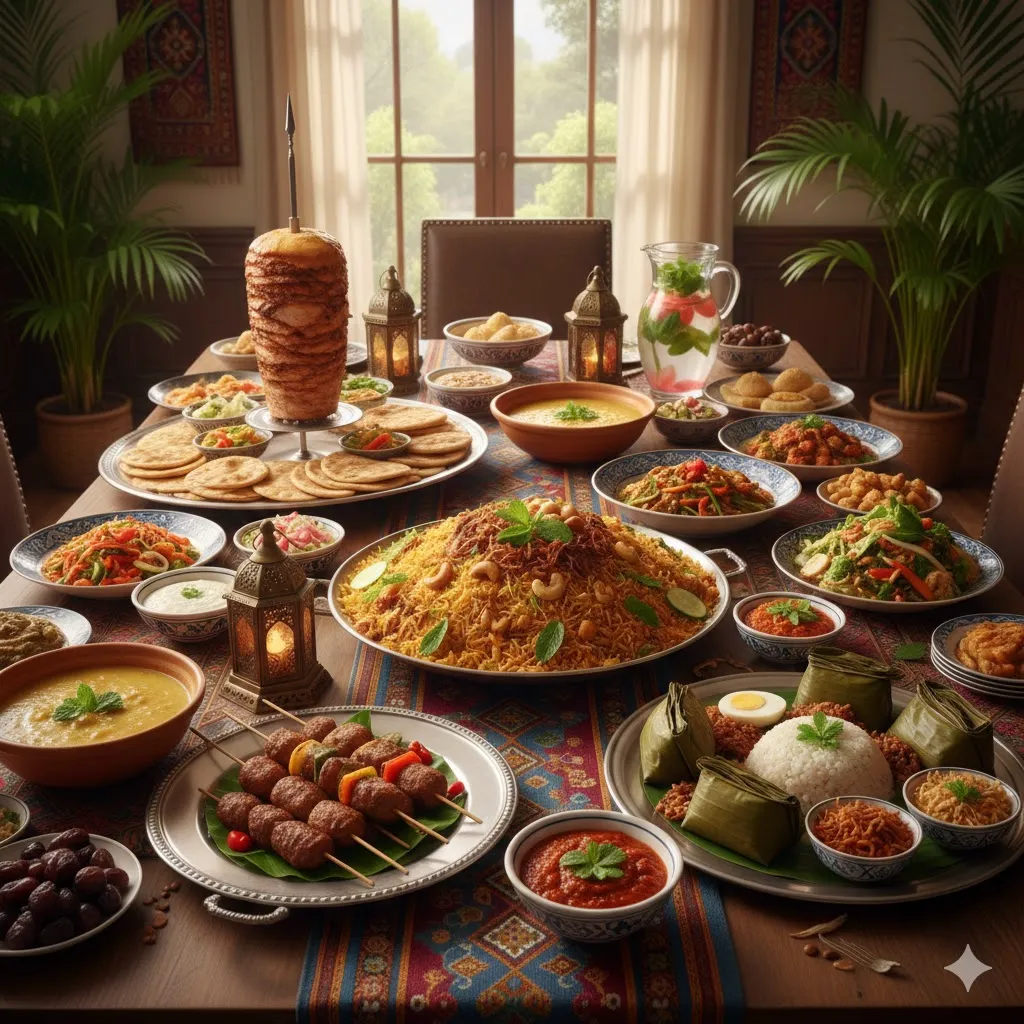
Biryani is a layered rice dish infused with spices, saffron, herbs, and halal-certified meat.
Popular variations include:
- Chicken biryani
- Goat biryani
- Beef biryani
- Vegetable biryani
Each region — from Hyderabad to Karachi — adds its own twist.
The key lies in slow cooking. Aromatic basmati rice absorbs flavors deeply, creating a dish that feels both celebratory and comforting.
Halal Smash Burgers With a Twist
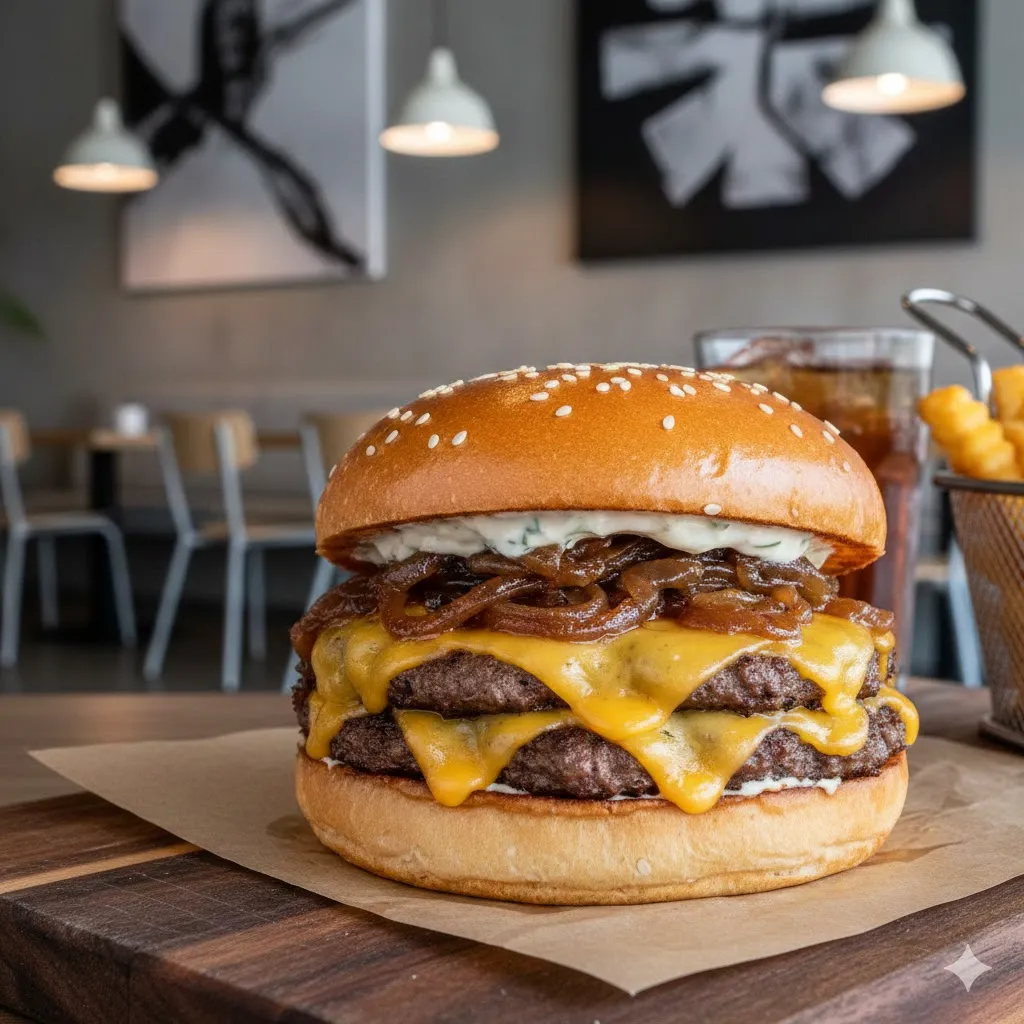
In 2026, halal burgers have exploded in popularity across the United States.
These aren’t ordinary fast-food patties. Halal-certified beef, smashed onto a hot griddle, develops crispy edges while staying juicy inside.
Topped with:
- Caramelized onions
- House-made sauces
- Brioche buns
Halal burger joints in Chicago and Los Angeles are redefining classic American comfort food.
Mansaf The Jordanian Celebration Dish
Mansaf is often considered Jordan’s national dish.
It features:
- Lamb cooked in fermented yogurt sauce (jameed)
- Served over rice
- Garnished with almonds and pine nuts
Traditionally served during gatherings, mansaf reflects hospitality and communal dining culture.
It’s rich, filling, and deeply symbolic.
Nasi Lemak With Halal Precision
Originating in Malaysia, nasi lemak blends coconut rice, sambal, fried anchovies, peanuts, cucumber, and halal protein such as chicken or beef rendang.
The balance of sweet, spicy, and savory makes it unforgettable.
Meanwhile, halal certification ensures proper preparation in multicultural settings.
Halal Tacos Fusion Innovation
Halal tacos showcase how food culture evolves.
Imagine:
- Halal carne asada
- Spiced chicken tikka fillings
- Garlic yogurt drizzle
- Fresh cilantro
Food trucks in California and Texas have turned halal tacos into a mainstream hit — proving that halal food adapts creatively without compromising dietary principles.
Dish Comparison Snapshot
| Dish | Origin | Flavor Profile | Best Occasion |
|---|---|---|---|
| Shawarma | Middle East | Savory, garlicky | Street food snack |
| Biryani | South Asia | Aromatic, spiced | Family gathering |
| Smash Burger | United States | Juicy, crispy | Casual dining |
| Mansaf | Jordan | Rich, creamy | Special celebration |
| Nasi Lemak | Malaysia | Sweet, spicy | Breakfast or brunch |
Each dish reflects both tradition and modern adaptation.
How to Ensure Authentic Halal Quality
When exploring halal food must-tries:
- Look for recognized halal certification logos
- Ask about ingredient sourcing
- Confirm no cross-contamination with pork or alcohol
- Read recent customer reviews
Transparency matters.
Pro Insight
In multicultural cities, some restaurants serve both halal and non-halal items. Always confirm whether cooking surfaces and utensils are separated to avoid cross-contact.
Quick Tip
If traveling internationally, download a halal restaurant locator app before arrival. Offline access helps when data service is limited.
Frequently Asked Questions
Are all Middle Eastern foods halal?
Not automatically. While many dishes follow halal guidelines, always confirm meat sourcing and preparation.
Is seafood considered halal?
Most seafood is generally considered halal, but preparation methods should still be verified.
Are vegetarian dishes always halal?
Usually yes, but confirm no alcohol-based sauces or cross-contamination.
Can halal food be spicy?
It depends on the cuisine. South Asian halal dishes often include bold spices, while Mediterranean options may be milder.
Is halal food available in the United States?
Yes. Major U.S. cities offer a wide range of halal-certified restaurants.
Conclusion
Halal food must-tries represent far more than dietary compliance. They reflect cultural identity, shared history, and culinary innovation. From traditional lamb mansaf to modern halal smash burgers, the diversity continues to expand in 2026.
Exploring halal cuisine means experiencing flavor with intention — honoring preparation standards while embracing global creativity.
Trusted U.S. Resources
U.S. Department of Agriculture – Food Safety
https://www.usda.gov
Federal Trade Commission – Food Labeling Guidance
https://www.ftc.gov
U.S. Department of State – International Travel Information
https://travel.state.gov
Centers for Disease Control and Prevention – Food Safety for Travelers
https://www.cdc.gov
This article is for general informational purposes only and does not provide legal, financial, medical, or professional advice. Policies, rates, and regulations may change over time.