

Airfare prices can swing wildly within hours. The same seat can cost dramatically different amounts depending on timing, demand, and even browsing behavior. Smart flight booking tips in 2026 focus on flexibility, comparison tools, and understanding airline pricing patterns.
Whether you’re planning a domestic weekend trip or an international journey, the right booking strategy can reduce costs without sacrificing convenience.
This article is for general informational purposes only and does not provide legal, financial, medical, or professional advice. Policies, rates, and regulations may change over time.
Be Flexible With Dates and Airports
One of the easiest ways to save is adjusting your travel schedule.
For example, flying on a Tuesday or Wednesday often costs less than Friday or Sunday. Similarly, choosing an alternate nearby airport can significantly reduce fares.
Many booking platforms now offer flexible date calendars that show lowest prices across a full month.

Book at the Right Time
While no formula guarantees the lowest fare, general patterns still apply in 2026.
Domestic Flights
Booking one to three months in advance often provides competitive pricing.
International Flights
Long-haul flights typically benefit from earlier booking windows, sometimes three to six months ahead.
Last-minute deals exist, but they are unpredictable — especially during peak travel seasons.
| Booking Strategy | When It Works | Risk Level |
|---|---|---|
| Early Booking | High-demand routes | Low |
| Flexible Dates | Off-peak travel | Low |
| Last-Minute | Low-demand periods | Moderate |
| Holiday Travel | Requires advance booking | High if delayed |
Planning ahead reduces stress and cost surprises.
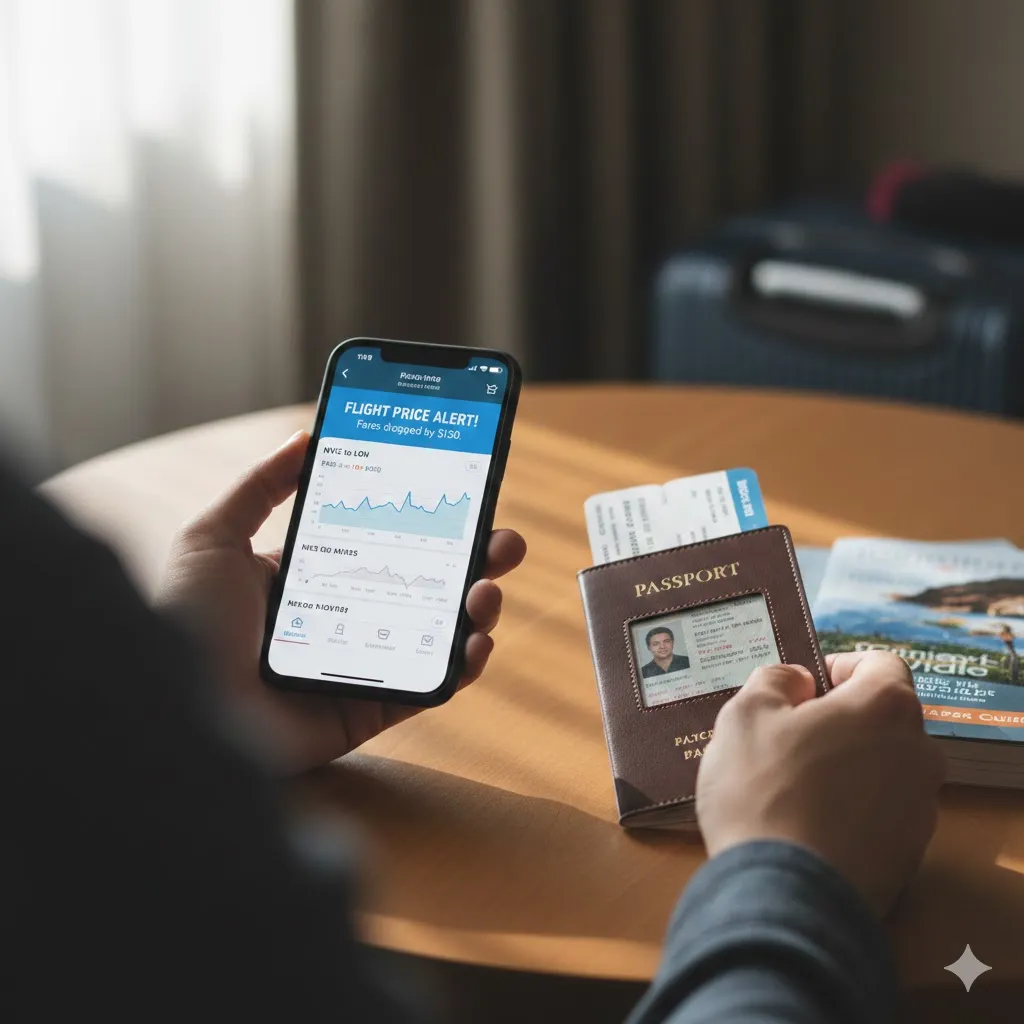
Use Price Alerts and Tracking Tools
Set fare alerts through airline apps or comparison websites. These notify you when prices drop.
Monitoring fares for several weeks reveals patterns — especially for routes you travel often.
For example, if a round-trip flight typically ranges between $250–$400, waiting for a dip closer to the lower range may save significant money.
Consider Total Cost — Not Just Base Fare
Budget airlines may advertise low fares but charge extra for:
- Checked bags
- Seat selection
- Carry-on luggage
- Priority boarding
Always review total cost before finalizing booking.
Similarly, connecting flights may appear cheaper but increase travel time and risk of delays.
Pro Insight
Booking refundable or change-flexible tickets can provide long-term value. If prices drop later, some airlines allow credit adjustments under certain fare types.
Clear Browser Confusion Myths
While some travelers worry about dynamic pricing based on browsing history, airline pricing primarily responds to supply and demand changes.
Still, comparing prices across devices and booking platforms ensures broader visibility.

Leverage Rewards and Points
In 2026, many travel credit cards and loyalty programs offer:
- Points redemption
- Companion fares
- Free checked bags
- Travel insurance coverage
Accumulating miles strategically can offset future flight costs significantly.
Quick Tip
Before booking, search your route one final time in an incognito or private browser window to confirm pricing consistency across platforms.
Frequently Asked Questions
Is there a best day to book flights?
There is no guaranteed day, but midweek searches often show competitive pricing.
Are red-eye flights cheaper?
Often yes, especially on busy routes.
Should I book round-trip or one-way tickets?
Compare both options. Some airlines price them differently.
Are third-party booking sites safe?
Many are legitimate, but booking directly with airlines may simplify changes and refunds.
Do airline prices drop at the last minute?
Rarely during peak seasons; sometimes during low-demand periods.
Conclusion
Smart flight booking tips in 2026 revolve around flexibility, comparison, and awareness of total cost. By adjusting travel dates, setting alerts, reviewing baggage policies, and leveraging rewards programs, you can secure competitive fares without sacrificing reliability.
Planning strategically transforms airfare from a guessing game into a calculated decision.
Trusted U.S. Resources
U.S. Department of Transportation – Air Travel Consumer Protection
https://www.transportation.gov/
Federal Aviation Administration (FAA)
https://www.faa.gov/
Federal Trade Commission (FTC) – Travel Scams & Consumer Advice
https://consumer.ftc.gov/
USA.gov – Travel and Transportation
https://www.usa.gov/