

Exploring a new city through its street food is one of the most authentic travel experiences available. For Muslim travelers, halal street food travel adds another layer of awareness — finding delicious local flavors that meet halal dietary requirements.
In 2026, global awareness of halal certification continues growing. Major cities now offer clearer labeling, mobile apps for halal restaurant searches, and stronger food safety standards. Still, knowing what to look for makes all the difference.
This article is for general informational purposes only and does not provide legal, financial, medical, or professional advice. Policies, rates, and regulations may change over time.
What Makes Street Food Halal?
Halal food must comply with Islamic dietary laws, including:
- No pork or pork-derived ingredients
- Proper halal slaughter methods for meat
- No alcohol in preparation
- No cross-contamination with non-halal items
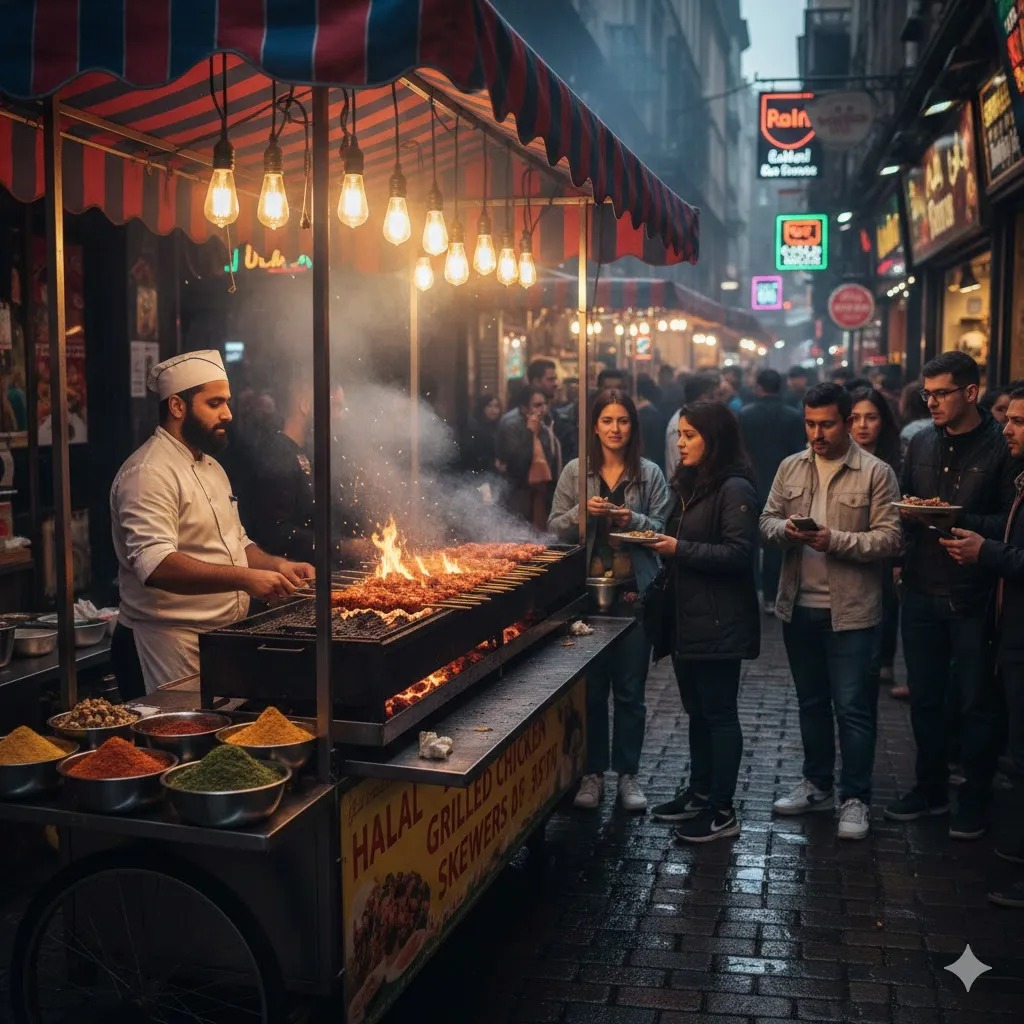
For example, a grilled chicken skewer may appear halal — but if cooked on the same grill as pork without proper separation, it may not meet halal standards.
Understanding preparation practices is just as important as reading ingredient lists.
Top Destinations for Halal Street Food
Certain regions are especially friendly for halal-conscious travelers.
Southeast Asia
Cities like Kuala Lumpur and Jakarta offer abundant halal-certified street food. Night markets often clearly display halal signage.
Middle East
Street shawarma, falafel, and kebabs are widely halal by default in many countries.
United Kingdom
London’s diverse food scene includes halal-certified street vendors serving everything from burgers to global fusion dishes.
United States (Select Cities)
New York, Chicago, and Los Angeles feature halal carts and certified vendors, especially in multicultural neighborhoods.
| Region | Halal Availability | Popular Street Foods |
|---|---|---|
| Southeast Asia | Very High | Satay, nasi lemak |
| Middle East | Extremely High | Shawarma, falafel |
| UK | High | Halal burgers, wraps |
| U.S. Major Cities | Moderate–High | Halal carts, gyro platters |
Availability varies by neighborhood — research ahead of time.
How to Verify Halal Street Food While Traveling
Look for Certification Logos
Official halal certification symbols vary by country. In 2026, many vendors display visible badges or certificates.
Ask Direct Questions
Politely ask:
- Is the meat halal-certified?
- Is alcohol used in sauces?
- Are cooking surfaces shared?
Language apps can assist if there’s a barrier.
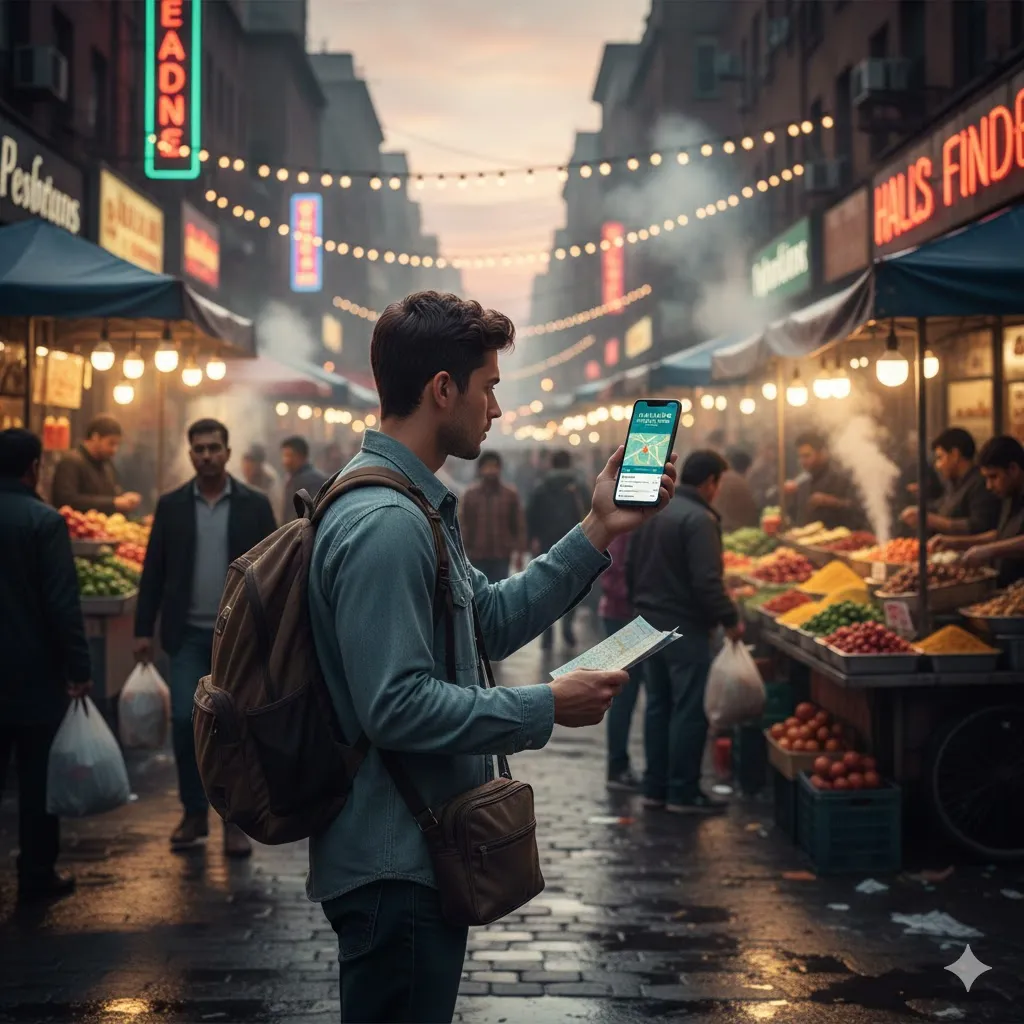
Use Halal Food Apps
Several travel apps now identify halal restaurants and street vendors based on user reviews and certification listings.
Pro Insight
Markets near mosques or Islamic cultural centers often have higher concentrations of halal-certified vendors, especially in non-Muslim-majority countries.
Food Safety Considerations
Halal compliance doesn’t replace general food safety awareness.
- Choose vendors with high customer turnover
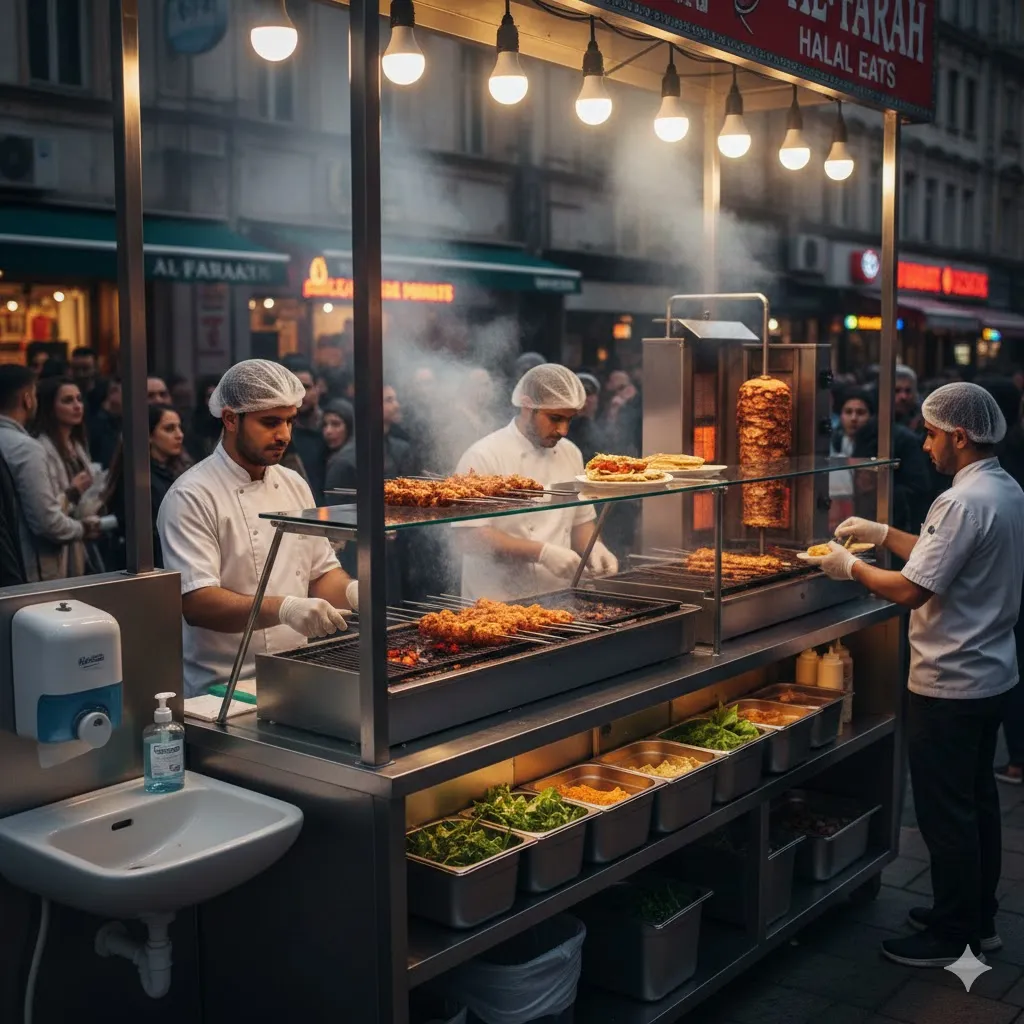
- Observe cleanliness and food handling
- Avoid undercooked meat
- Drink bottled or purified water where necessary
For instance, selecting a busy vendor at a night market often reduces the risk of food sitting out too long.
Quick Tip
Carry a small translation card explaining halal dietary requirements in the local language — especially when traveling in regions where halal awareness may be limited.
Frequently Asked Questions
Is street food usually halal in Muslim-majority countries?
Often yes, but it’s still wise to confirm preparation practices.
How can I find halal street food in non-Muslim countries?
Use halal restaurant apps, search neighborhood reviews, or look near mosques.
Are vegetarian street foods always halal?
Generally yes, but confirm that no alcohol or non-halal additives are used.
What about cross-contamination?
Shared grills and fryers can affect halal compliance. Always ask vendors directly.
Are halal certifications universal?
No. Certification standards vary by country, though many follow recognized Islamic guidelines.
Conclusion
Halal street food travel in 2026 is more accessible than ever. From Southeast Asia’s vibrant night markets to halal carts in major Western cities, travelers can enjoy authentic flavors while honoring dietary guidelines.
With research, thoughtful questions, and a bit of planning, you can explore global cuisine confidently — one street food stall at a time.
Trusted U.S. Resources
USA.gov – Travel Guidance
https://www.usa.gov/
Federal Trade Commission (FTC) – Food Labeling and Consumer Information
https://consumer.ftc.gov/
U.S. Department of Agriculture (USDA) – Food Safety Information
https://www.usda.gov/
Centers for Disease Control and Prevention (CDC) – Travel Health
https://www.cdc.gov/