

A simple guide to halal food, what it means, how it’s prepared, and how consumers identify halal options in 2026.
Halal food is no longer a niche topic. In 2026, it has become part of mainstream conversations about food ethics, transparency, and dietary choice. While halal food is rooted in Islamic principles, its appeal today extends far beyond religious boundaries.
Many people choose halal food because of how it’s sourced, prepared, and monitored—making it relevant for anyone who values clarity in what they eat.
What Halal Food Really Means
The word halal means “permissible” in Arabic. When applied to food, it refers to items that meet Islamic dietary guidelines, covering ingredients, preparation, and handling.
For example, meat must come from animals that are permitted and slaughtered in a specific, humane manner. At the same time, halal food must be free from prohibited substances such as pork or alcohol.
Importantly, halal is not only about the final product. It also considers cleanliness, cross-contamination, and ethical handling throughout the supply chain.
Why Halal Food Has Gained Wider Appeal
Halal food standards emphasize transparency. Because of this, many non-Muslim consumers associate halal products with cleanliness, traceability, and clear labeling.
Imagine a family shopping for groceries. They see halal certification on packaged food and know exactly what ingredients are allowed and how the product was handled. That clarity builds trust, regardless of religious background.
This is why halal food is increasingly discussed alongside topics like food safety, ethical sourcing, and ingredient disclosure.
Common Categories of Halal Food
Halal food is diverse and not limited to meat products.
Halal Meat and Poultry
These products follow strict guidelines from sourcing to slaughter. Proper certification ensures compliance.
Halal Packaged Foods
Snacks, sauces, frozen meals, and beverages can all be halal if ingredients and processing meet standards.
Halal Dining Options
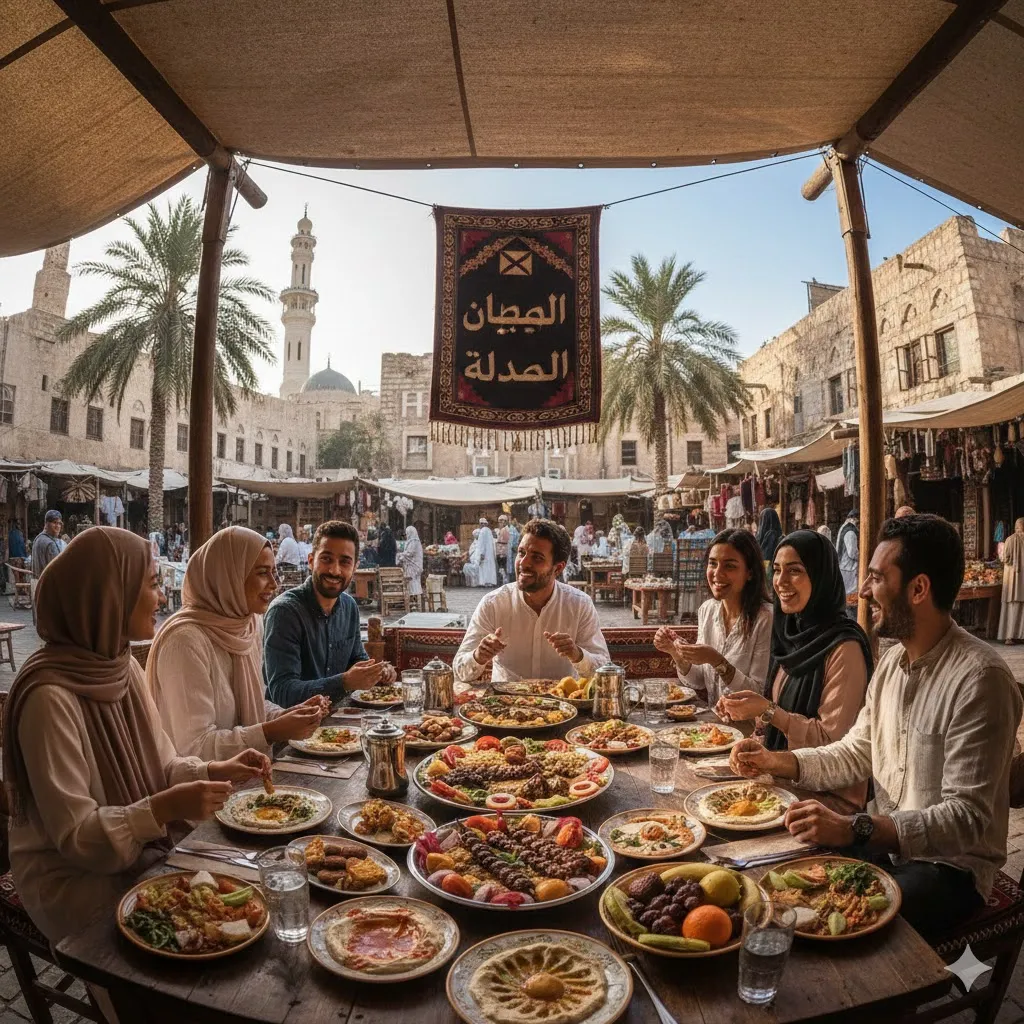
Restaurants offering halal menus often follow dedicated preparation processes to avoid cross-contact with non-halal items.
Halal Food vs Non-Halal Food
| Aspect | Halal Food | Non-Halal Food |
|---|---|---|
| Ingredient restrictions | Strict | Varies |
| Preparation standards | Regulated and monitored | Depends on provider |
| Certification | Common and visible | Often not required |
| Ethical considerations | Emphasized | Varies by brand |
This comparison shows why halal food is often viewed as structured and transparent.
How to Identify Halal Food Easily
The most reliable way is through halal certification labels issued by recognized authorities. These labels confirm that the product or establishment meets established halal standards.
In daily life, consumers also rely on trusted halal restaurants, verified ingredient lists, and certification databases to make informed choices.

Disclaimer
This article is for informational purposes only. Halal standards and certifications may vary by certifying body and region.
Pro Insight
Halal certification focuses on process, not just ingredients. That process-driven approach is why many consumers see halal food as more transparent.
Quick Tip
When in doubt, look for certification from recognized halal authorities rather than relying on assumptions or ingredient names alone.
Common Misunderstandings About Halal Food
One common misconception is that halal food is only for Muslims. In reality, halal food is a dietary option open to anyone.
Another misunderstanding is assuming vegetarian food is always halal. Some vegetarian products may contain alcohol-based flavorings or additives that are not halal.
FAQs About Halal Food
Is halal food healthier than non-halal food?
Not necessarily, but it emphasizes cleanliness and ingredient control.
Does halal food taste different?
No. Taste depends on ingredients and preparation, not halal status.
Is halal food more expensive?
Sometimes, but many halal products are competitively priced.
Can halal food be organic?
Yes. Halal and organic certifications can coexist.
Is halal food regulated in the U.S.?
Yes. Certification bodies operate alongside U.S. food safety regulations.
Conclusion
Halal food represents more than a dietary rule—it reflects a structured approach to food transparency, ethics, and accountability. As awareness grows in 2026, halal food continues to gain relevance among diverse consumers seeking clarity in what they eat.
Whether chosen for faith, trust, or ethical reasons, halal food offers a clear framework in an increasingly complex food system.
U.S. Trusted Resources
- U.S. Food and Drug Administration (FDA) – Food Safety
https://www.fda.gov - United States Department of Agriculture (USDA) – Food Standards
https://www.usda.gov - Islamic Food and Nutrition Council of America (IFANCA)
https://www.ifanca.org - Consumer Reports – Food Label Transparency
https://www.consumerreports.org