

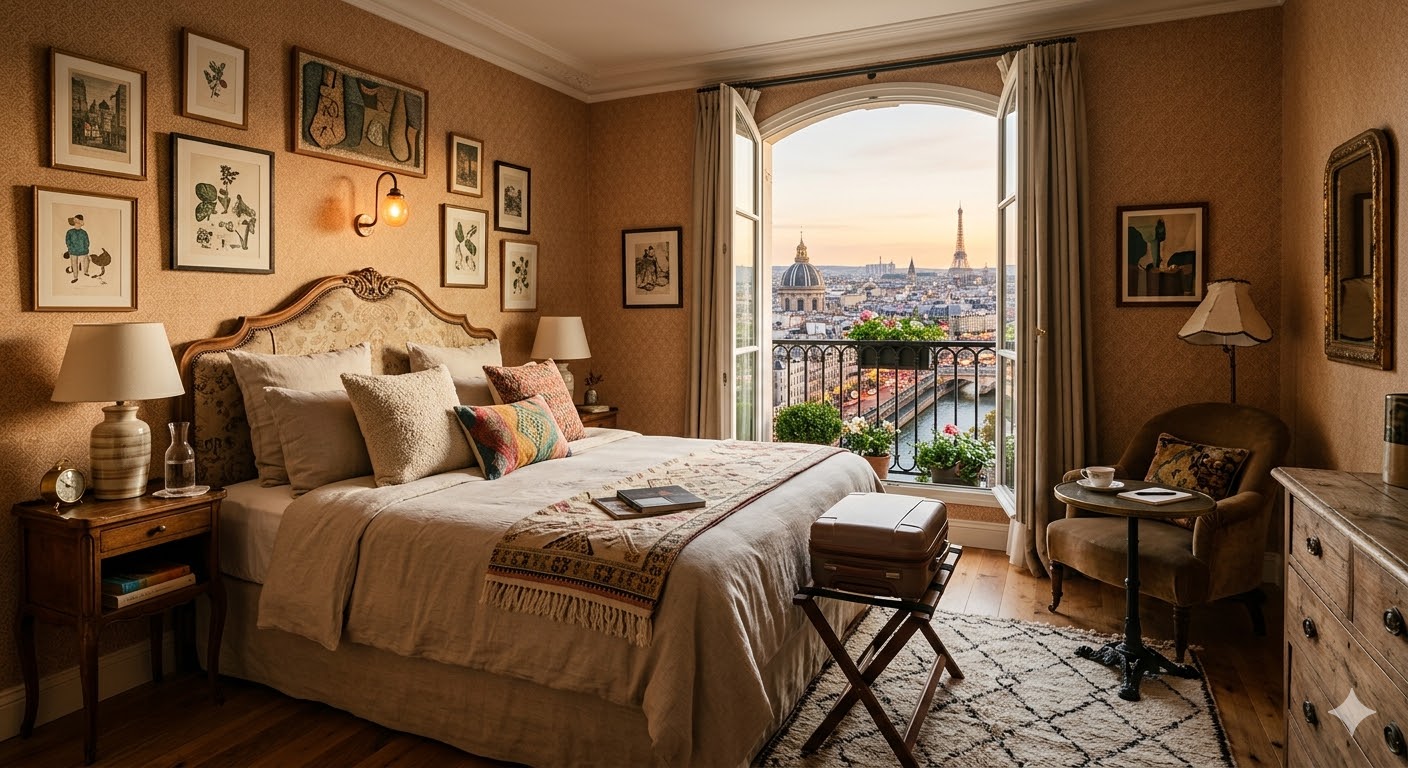
Boutique hotel guides help travelers move beyond standard accommodations and discover stays that feel more personal, design-driven, and connected to their surroundings. Unlike large hotel chains, boutique properties focus on individuality, atmosphere, and tailored experiences.
For travelers who value character over uniformity, these guides can make a noticeable difference in how a trip feels.
What Defines a Boutique Hotel Experience
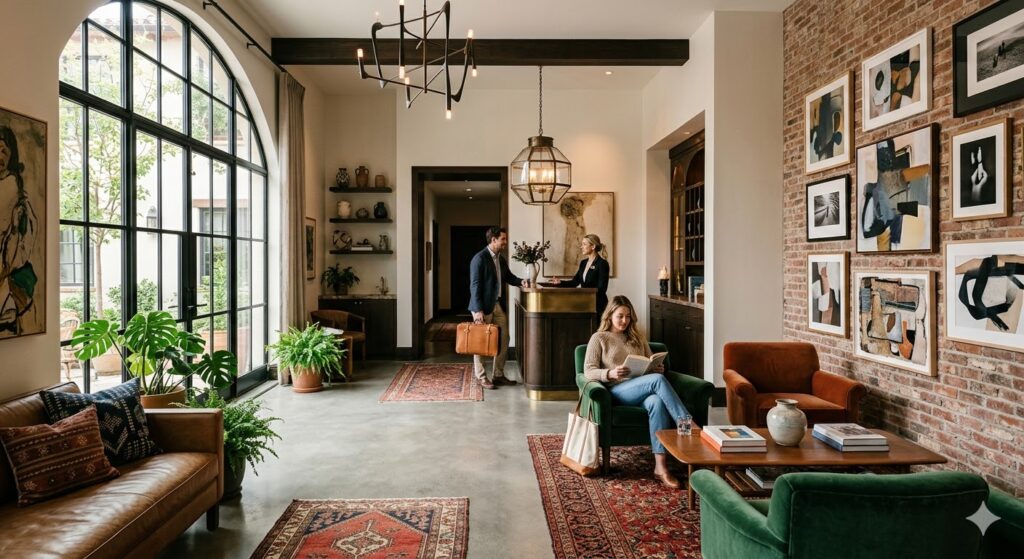
Boutique hotels are typically smaller properties with a strong identity and attention to detail. Most have fewer than 100 rooms and emphasize personalized service and unique design.
What sets them apart:
- Distinctive design and atmosphere
- Personalized guest experience
- Strong connection to local culture
- Smaller, more intimate scale
Rather than offering standardized rooms, boutique hotels often create a sense of place—each stay feels different.
How to Use Boutique Hotel Guides Effectively
A good boutique hotel guide does more than list properties. It helps you filter based on experience, not just price.
When browsing guides:
- Look for curated selections, not massive directories
- Focus on recent guest reviews, especially about service
- Pay attention to location context, not just star ratings
- Check for design and concept descriptions
Because boutique hotels vary widely, context matters more than brand recognition.
Boutique Hotels vs Traditional Hotels
| Feature | Boutique Hotels | Traditional Hotels |
|---|---|---|
| Size | Small and intimate | Large-scale |
| Design | Unique and thematic | Standardized |
| Service | Personalized | System-based |
| Experience | Local and curated | Consistent |
| Atmosphere | Character-driven | Functional |
Pro Insight
A traveler choosing between two similarly priced hotels in a city center may notice a subtle but important difference.
One is a large chain with predictable service. The other is a boutique hotel built inside a restored historic building, with locally inspired interiors and staff who recommend neighborhood spots.
Both provide comfort—but the boutique stay often becomes part of the trip itself, not just a place to sleep.
Popular Types of Boutique Hotel Guides

Different guides cater to different travel styles.
- Design-focused guides
Highlight architecture, interiors, and aesthetics - Luxury boutique collections
Emphasize high-end service and exclusivity - Local experience guides
Focus on cultural immersion and neighborhood feel - Budget boutique lists
Offer style and character without premium pricing
Choosing the right type of guide depends on your priorities.
Quick Tip
When using boutique hotel guides, don’t rely on photos alone. Look for details about service quality and guest experience, as these often define the stay more than design.
What Makes a Boutique Stay Memorable
Beyond visuals, certain elements consistently stand out.
- Thoughtful service that anticipates needs
- Rooms with personality rather than uniform layouts
- Local touches in food, decor, or recommendations
- Quiet, less crowded environments
As one traveler shared in a discussion:
“It’s the personal touches and thinking ahead.”
That subtle attention often defines the difference.
Where Boutique Hotels Work Best
Boutique hotels tend to shine in specific settings:
- Historic city centers
- Arts and cultural districts
- Coastal or scenic destinations
- Trend-focused urban neighborhoods
These environments allow boutique properties to reflect local identity more clearly.
Frequently Asked Questions
What is a boutique hotel guide
It’s a curated resource that highlights unique, design-driven hotels with personalized experiences.
Are boutique hotels more expensive
Not always. Prices vary widely depending on location and level of luxury.
How do I know if a hotel is truly boutique
Look for smaller size, independent ownership, and strong design or cultural identity.
Are boutique hotels better than chain hotels
It depends on preference. Boutique hotels offer character, while chains provide consistency.
Can boutique hotels be family-friendly
Yes, though many are designed more for couples or solo travelers.
Conclusion
Boutique hotel guides offer a more thoughtful way to plan accommodations. Instead of focusing solely on price or ratings, they highlight places where design, service, and atmosphere come together.
For travelers seeking a more memorable stay, these guides help uncover hotels that feel less like a transaction—and more like part of the journey.
Trusted U.S. Resources
https://www.usa.gov/travel
https://www.travel.state.gov
https://www.nps.gov
https://www.commerce.gov
This article is for general informational purposes only and does not provide legal, financial, medical, or professional advice. Policies, rates, and regulations may change over time.