

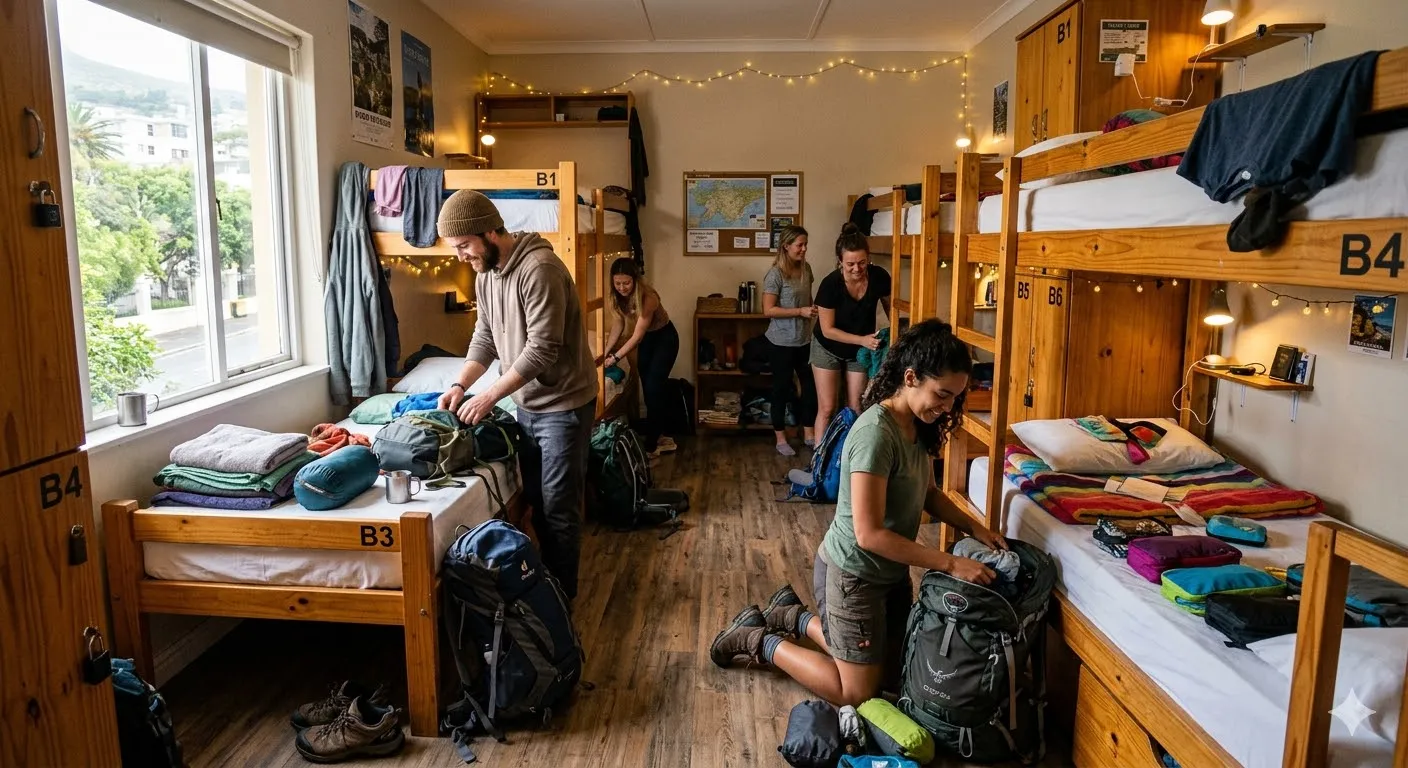
Staying in a hostel is a common choice for backpackers who want affordable accommodation while meeting travelers from around the world. Hostels often provide shared spaces, flexible room options, and social environments that make them different from traditional hotels.
For first-time backpackers, however, hostel life can feel unfamiliar. Shared rooms, communal kitchens, and rotating groups of travelers require a slightly different approach to planning and etiquette.
Learning a few practical backpackers hostel tips can make the experience more comfortable, organized, and enjoyable throughout the trip.
Choosing the Right Hostel
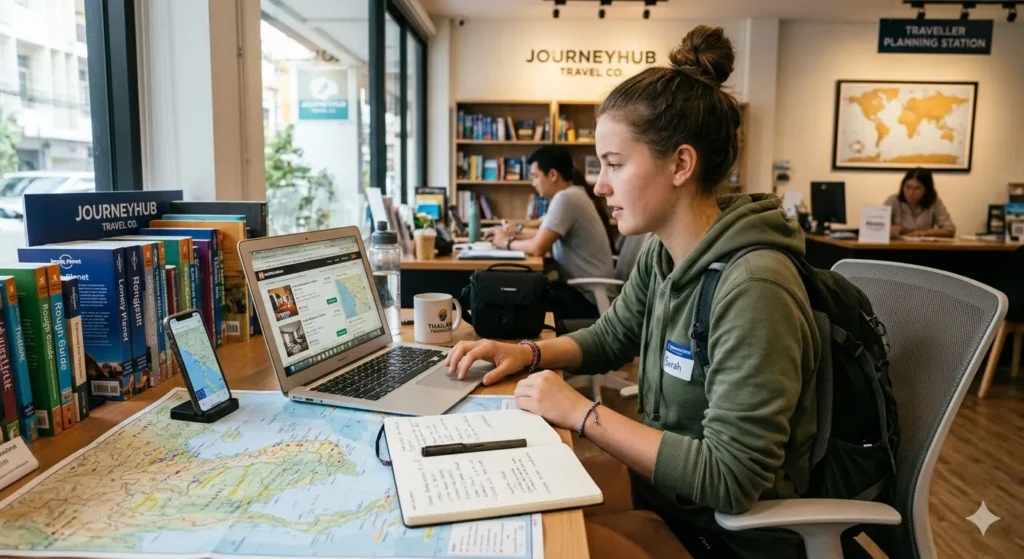
Not all hostels offer the same atmosphere or facilities. Some focus on quiet travel experiences, while others emphasize social events and group activities.
When selecting a hostel, travelers often consider several factors:
- Location relative to transportation and attractions
- Room size and dorm capacity
- Availability of lockers and security features
- Cleanliness ratings and recent reviews
- Shared amenities such as kitchens or lounges
Reading recent guest reviews can provide helpful insights about noise levels, cleanliness, and the overall environment.
A well-chosen hostel can significantly improve the overall travel experience.
Packing Essentials for Hostel Stays
Backpackers often carry a few items specifically useful for hostel living. Because shared spaces are common, small accessories can make daily routines easier.
Common hostel packing essentials include:
- A small padlock for lockers
- Earplugs to reduce dorm noise
- A sleep mask for bright rooms
- A microfiber towel if towels are not provided
- A power bank or charging adapter
These simple items can improve comfort, especially when sharing a room with other travelers.
Hostel Room Types to Understand
Hostels offer different room options depending on the property and location.
| Room Type | Privacy Level | Typical Cost | Best For |
|---|---|---|---|
| Dormitory Room | Low | Lowest | Solo backpackers |
| Female-Only Dorm | Low to moderate | Low | Women traveling alone |
| Private Room | High | Higher | Couples or small groups |
Dorm rooms remain the most common option for backpackers because they are affordable and encourage social interaction. However, some travelers occasionally choose private rooms when they want a quiet night of sleep.
Dorm Room Etiquette
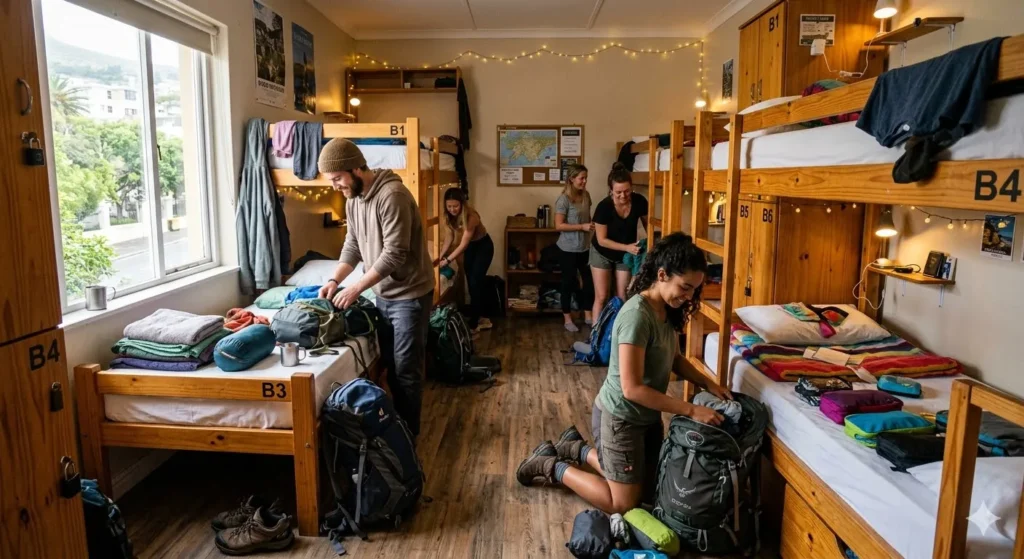
Hostel dormitories involve shared living spaces, so basic courtesy helps everyone have a better experience.
Some commonly accepted dorm etiquette practices include:
Keeping noise low at night
Late arrivals should avoid turning on bright lights or making loud sounds.
Organizing belongings efficiently
Keeping bags and gear neatly arranged helps maintain shared space.
Using lockers for valuables
This protects personal items and keeps rooms uncluttered.
Respecting other travelers’ sleep schedules
People may arrive or depart at different times during the night.
Simple habits like these help create a more comfortable environment for everyone sharing the room.
Pro Insight
Experienced backpackers often recommend booking hostels with smaller dorm rooms, such as four or six beds. These rooms typically provide a better balance between affordability and comfort compared with large dormitories that may house many travelers.
Smaller dorms can also make it easier to rest and maintain personal space.
Making the Most of Hostel Social Spaces
One of the unique advantages of hostels is the opportunity to meet people from many different countries.
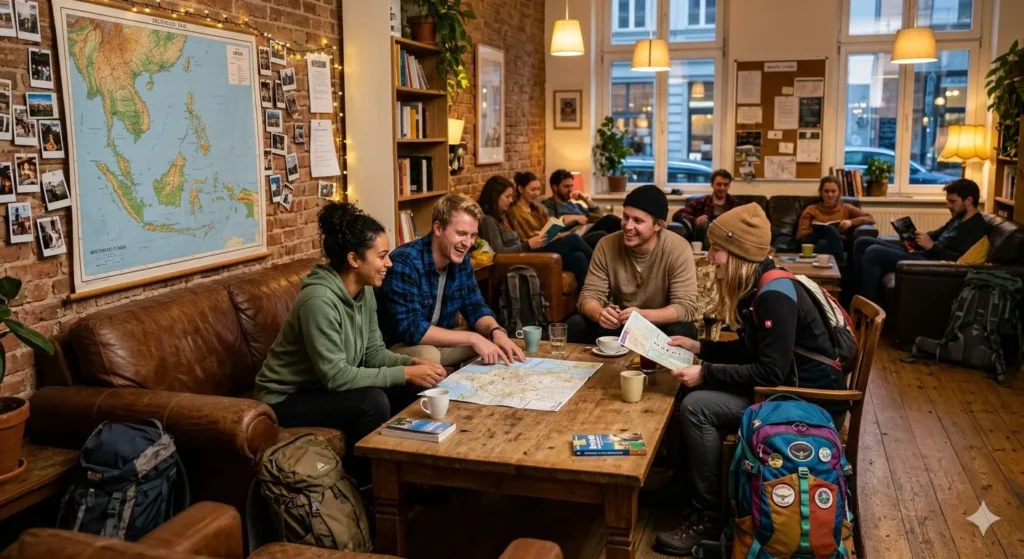
Most hostels include shared areas designed for interaction, such as:
- Communal kitchens
- Lounge areas
- Rooftop terraces
- Organized walking tours or events
Backpackers who spend time in these spaces often discover travel tips, transportation advice, and recommendations from fellow travelers.
These informal conversations frequently become one of the most memorable parts of hostel travel.
Quick Tip
When arriving at a hostel for the first time, take a few minutes to locate important areas such as lockers, bathrooms, kitchen facilities, and quiet zones. Knowing where things are helps you settle in quickly.
Frequently Asked Questions
Are hostels safe for backpackers?
Most hostels provide security measures such as lockers, key-card access, and staffed reception desks. Travelers often use small padlocks to secure personal items.
What should backpackers bring to a hostel?
Common essentials include a padlock, earplugs, sleep mask, travel towel, and portable charger.
Is it easy to meet people in hostels?
Yes. Shared rooms and common spaces naturally encourage conversation among travelers from different countries.
Can couples stay in hostels?
Many hostels offer private rooms suitable for couples while still providing access to shared hostel facilities.
Are hostels noisy at night?
Noise levels vary depending on the hostel and dorm size. Smaller dorm rooms and quiet hostels typically provide better sleeping conditions.
Conclusion
Hostels offer backpackers a unique combination of affordability, flexibility, and social interaction. By choosing the right hostel, packing a few helpful essentials, and following simple dorm etiquette, travelers can create a more comfortable and enjoyable experience.
For many backpackers, hostels become more than just a place to sleep. They often serve as hubs for meeting fellow travelers, sharing stories, and discovering new destinations along the journey.
With thoughtful preparation and an open mindset, hostel stays can become one of the most rewarding parts of travel.
Trusted U.S. Resources
https://www.travel.state.gov
https://www.usa.gov
https://www.transportation.gov
https://www.consumerfinance.gov
This article is for general informational purposes only and does not provide legal, financial, medical, or professional advice. Policies, rates, and regulations may change over time.