

Hostels have become a popular accommodation choice for travelers seeking affordability, flexibility, and social experiences. Unlike traditional hotels, hostels typically offer several different room types designed to fit a wide range of budgets and travel styles.
Understanding hostel room types helps travelers choose accommodations that match their comfort preferences and privacy expectations. Some rooms prioritize affordability and shared living, while others provide more privacy similar to small hotel rooms.
Knowing the differences between these options can make planning a stay much easier.
Dormitory Rooms in Hostels
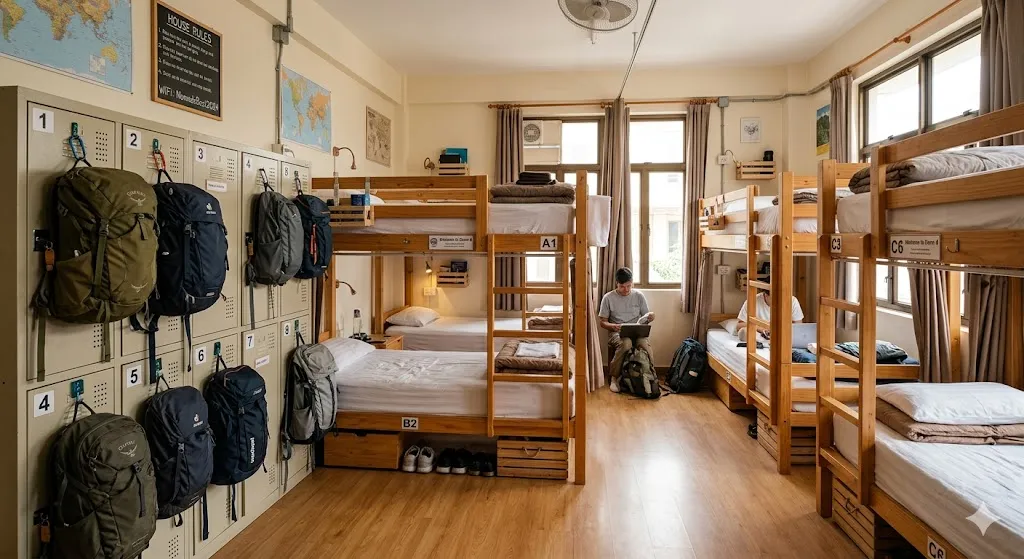
Dormitory rooms, often called dorms, are the most common room type in hostels. These rooms contain multiple beds—usually bunk beds—and are shared with other travelers.
Dorm sizes vary widely. Some hostels offer small dorms with four beds, while larger dormitories may contain eight, ten, or even more sleeping spaces.
Typical features include:
- Bunk beds or single beds
- Shared bathrooms or hallway bathrooms
- Individual lockers for personal belongings
- Reading lights and charging outlets
Dormitory rooms are usually the most affordable option in hostels. They are popular with solo travelers and backpackers who want to meet other people while keeping accommodation costs low.
However, because the space is shared, noise and limited privacy can sometimes occur.
Private Rooms in Hostels
Private rooms are designed for travelers who prefer more privacy but still want the relaxed atmosphere of a hostel.
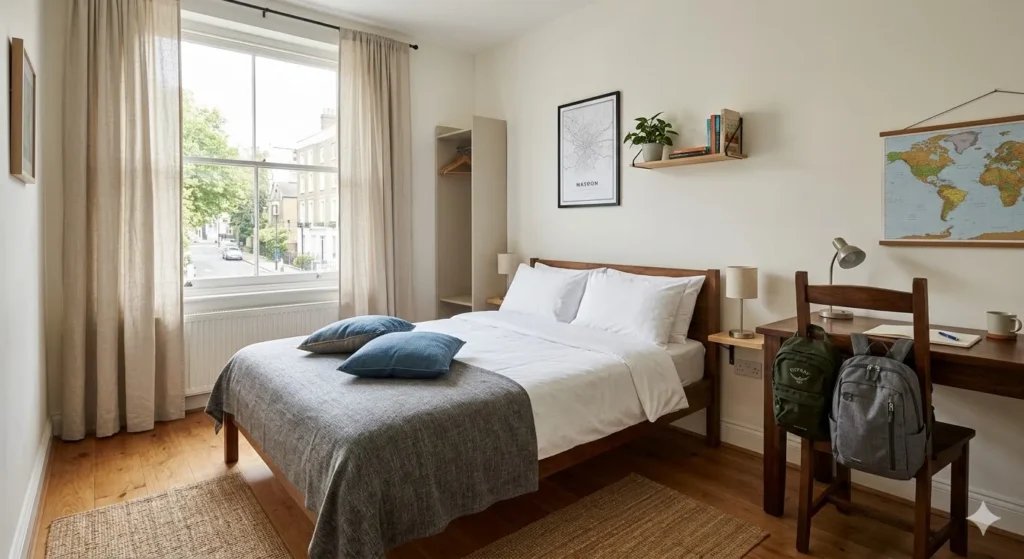
These rooms function similarly to hotel rooms but are located within a hostel property. They usually include one or two beds and may accommodate couples, friends, or small families.
Private hostel rooms often offer:
- A double bed or two single beds
- Private or shared bathroom options
- More storage space for luggage
- Increased privacy compared with dorms
Although private rooms cost more than dormitory beds, they are typically less expensive than hotel rooms in the same area.
Many travelers choose this option when they want quiet sleeping conditions while still enjoying hostel social spaces.
Female-Only Dorm Rooms
Some hostels offer female-only dormitories, designed specifically for women travelers.
These rooms function similarly to standard dorm rooms but are reserved exclusively for female guests. Many hostels include this option to provide additional comfort and privacy for travelers who prefer gender-specific accommodations.
Common features may include:
- Smaller dorm sizes
- Additional security measures
- Personal lockers and storage
- Shared bathrooms designated for female guests
Female-only dorms are particularly popular among solo travelers who want the social atmosphere of a hostel while maintaining a greater sense of comfort.
Hostel Room Type Comparison
| Room Type | Privacy Level | Typical Cost | Best For |
|---|---|---|---|
| Dormitory Room | Low | Lowest | Solo travelers and backpackers |
| Female-Only Dorm | Low to moderate | Low | Women traveling alone |
| Private Room | High | Moderate | Couples or travelers wanting privacy |
This comparison highlights how hostel accommodations range from highly social shared spaces to quieter private rooms.
Choosing the right option often depends on personal comfort preferences, travel budget, and the type of experience a traveler wants during their stay.
Pro Insight
Many experienced travelers recommend choosing smaller dorm rooms when possible. A four-bed or six-bed dorm often provides a better balance between affordability and comfort compared with larger dormitories that house many guests.
Smaller dorms can also create a calmer sleeping environment.
Hostel Capsule and Pod Beds
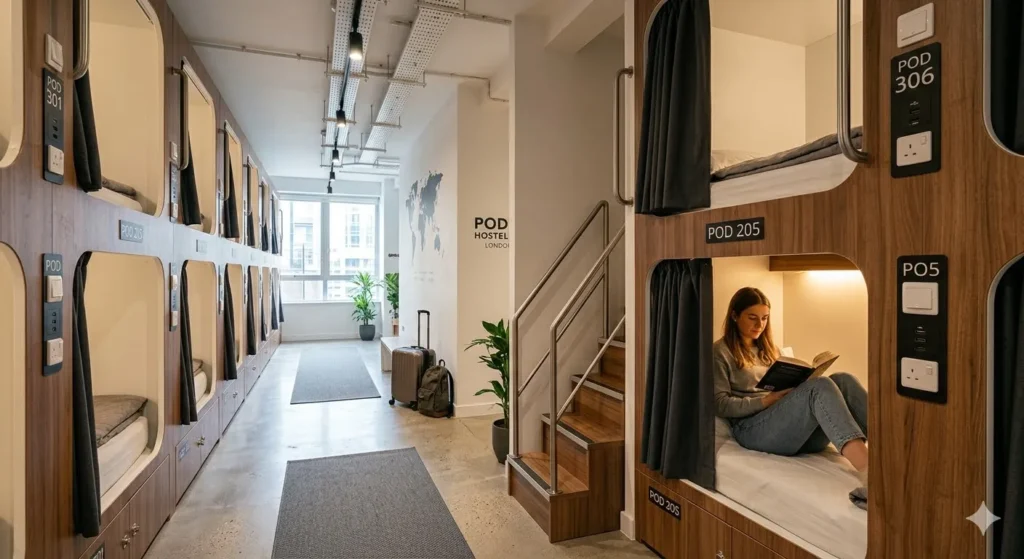
Some modern hostels have introduced capsule-style sleeping pods. These sleeping spaces resemble compact private compartments built into dormitory rooms.
Each capsule typically includes:
- Privacy curtains or sliding panels
- Individual lighting and power outlets
- Storage shelves
- Improved noise isolation
Capsule beds offer more personal space than traditional bunk beds while maintaining the affordability of shared accommodations.
This design has become increasingly common in hostels located in large cities or major travel hubs.
Quick Tip
If you value sleep quality, check whether the hostel provides privacy curtains, lockers, and individual lights for each bed. These features can significantly improve comfort in shared dormitory rooms.
Frequently Asked Questions
What is the difference between a dorm and a private hostel room?
Dorm rooms are shared with multiple travelers, while private rooms offer individual space similar to a hotel room.
Are hostel dorm rooms safe?
Most hostels provide lockers and secure entry systems. Travelers often bring small padlocks to protect valuables stored in lockers.
Do hostels offer rooms for couples?
Yes. Many hostels provide private double rooms designed for couples or friends traveling together.
What size are typical hostel dorm rooms?
Dorm sizes vary but commonly range from four to twelve beds per room depending on the hostel.
Are hostel capsule beds common?
Capsule beds are becoming more popular, especially in modern hostels located in major cities.
Conclusion
Hostels provide a range of accommodation styles designed to serve different types of travelers. From shared dormitories to private rooms and capsule-style sleeping pods, each option offers a different balance of affordability, privacy, and social interaction.
Understanding these room types helps travelers choose accommodations that match their budget, comfort level, and travel style.
Whether someone is seeking a lively shared experience or a quieter private space, hostels offer flexible lodging options across many destinations.
Trusted U.S. Resources
https://www.travel.state.gov
https://www.usa.gov
https://www.transportation.gov
https://www.consumerfinance.gov
This article is for general informational purposes only and does not provide legal, financial, medical, or professional advice. Policies, rates, and regulations may change over time.