

Hostel tips for solo travelers can turn a nervous first night into the highlight of an entire trip. In 2026, hostels are more than budget beds—they’re social ecosystems where friendships form quickly, plans change daily, and confidence grows fast. Still, solo travel in shared spaces comes with its own learning curve.
These tips focus on staying open, safe, and comfortable without losing independence.
This article is for general informational purposes only and does not provide travel, safety, or professional advice. Hostel experiences vary by location, culture, and individual circumstances.
Why hostels are ideal for solo travelers
Solo travelers often worry about loneliness. Hostels quietly solve that problem.
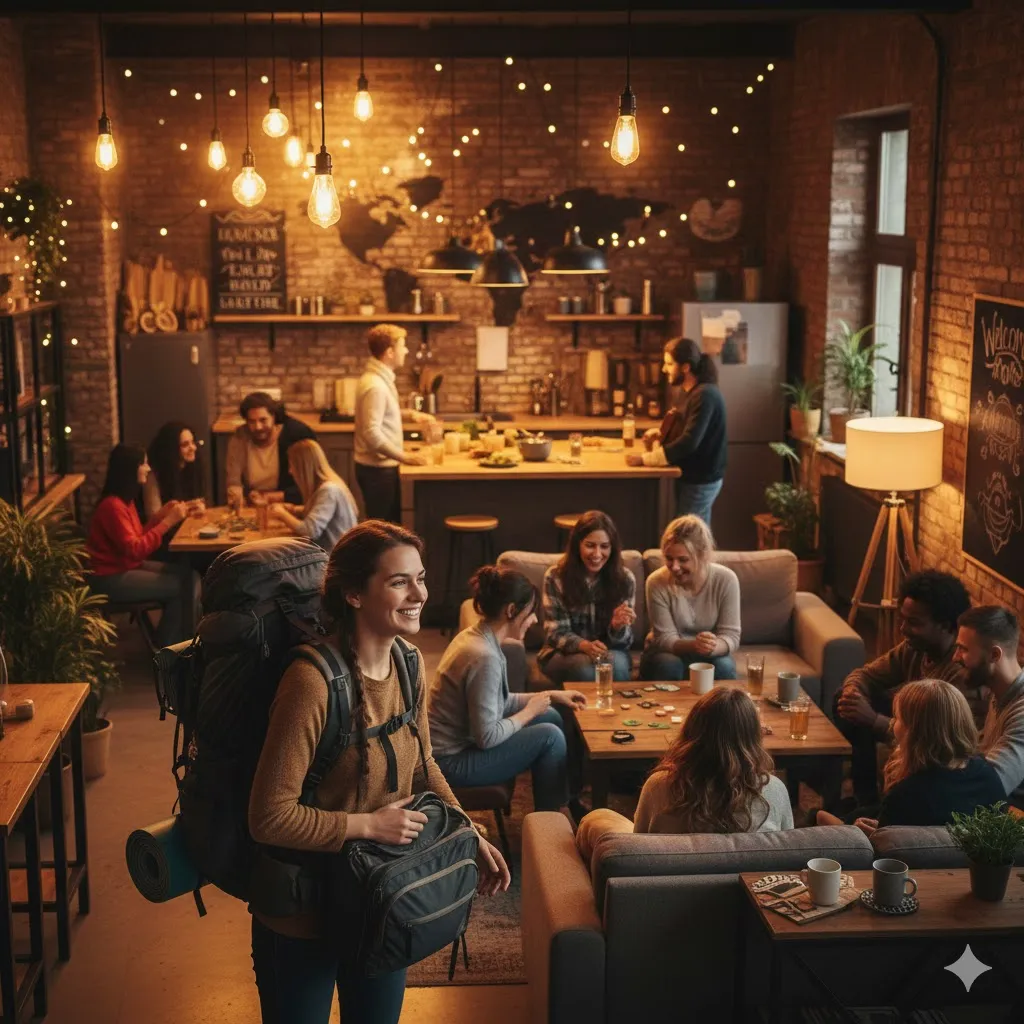
A first-time solo traveler from Oregon arrived late at a hostel in Lisbon expecting silence. Instead, a shared kitchen dinner turned into a walking tour the next morning. That’s the quiet magic of hostels—they lower the barrier to connection.
Hostels work best when you engage just enough.
Choose the right hostel for your travel style
Not all hostels are the same, and solo travelers feel the difference immediately.
Social hostels host events, group dinners, and tours. Quiet hostels suit travelers who want rest and occasional conversation. Party hostels attract energy—but can exhaust some solo travelers quickly.
If your site includes hostel type guides or destination hostel reviews, internal links fit naturally here.
Read reviews for vibe, not just ratings
Look for mentions of staff interaction, common areas, and solo travelers specifically. Those details matter more than décor.
Use common spaces strategically
Common areas are where solo travelers stop feeling solo.
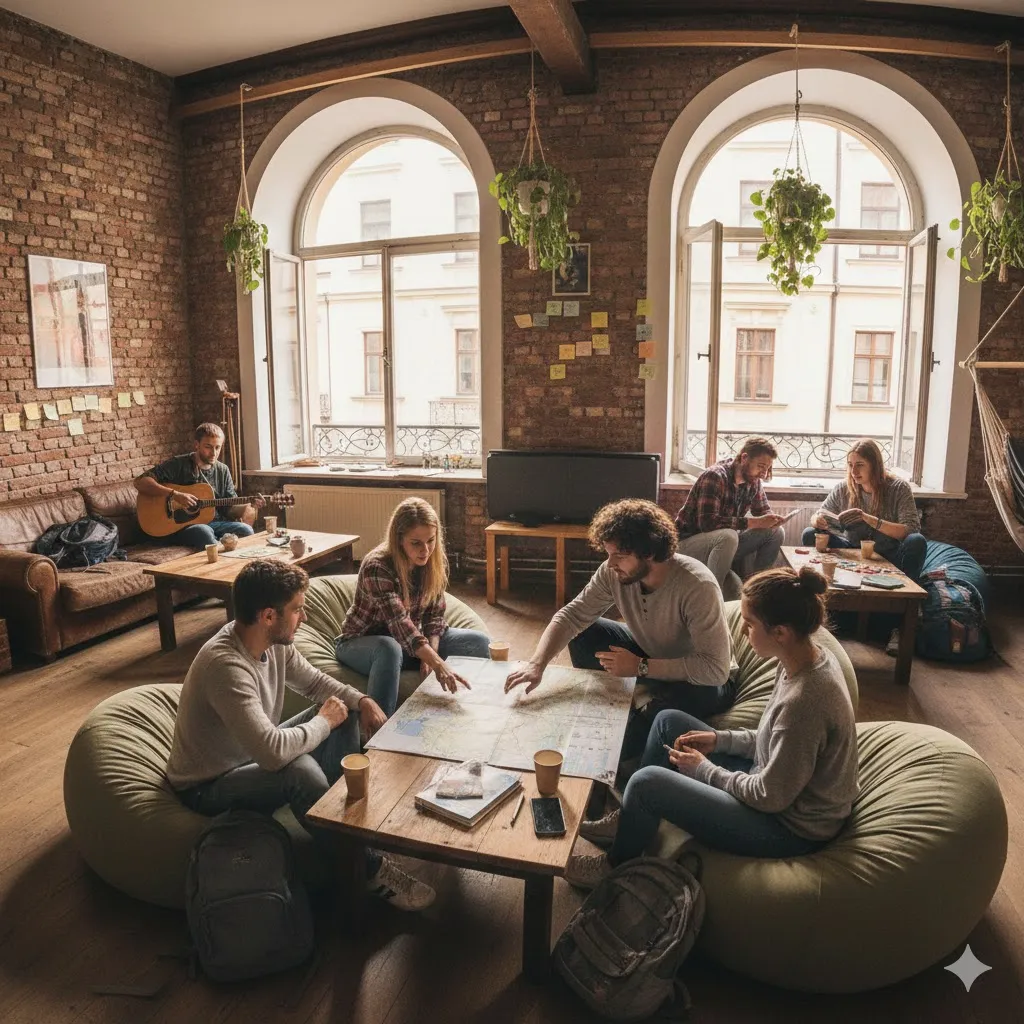
You don’t need to be outgoing—just present. Sitting in shared spaces, cooking during peak hours, or joining free walking tours increases natural interaction.
A solo traveler in Vietnam met her entire travel group simply by choosing the common table instead of eating in bed.
Balance openness with personal boundaries
Solo travel doesn’t mean constant socializing.
It’s okay to skip activities, wear headphones, or take solo days. The healthiest hostel experiences come from choosing interaction—not feeling obligated to it.
A remote worker traveling solo found that alternating social days with quiet work mornings kept burnout away.
Comparison of hostel choices for solo travelers
Different hostel styles suit different solo personalities.
| Hostel Type | Best For | Social Level | Stress Level |
|---|---|---|---|
| Social hostel | First-time solo travelers | High | Low |
| Boutique hostel | Calm explorers | Medium | Very low |
| Party hostel | Short stays | Very high | Medium |
| Quiet hostel | Digital nomads | Low | Very low |
Pro Insight
Solo travelers who talk to staff early often have better trips. Hostel staff act as social connectors—not just receptionists.
Quick Tip
On your first night, join one hostel activity—even if you’re tired. First impressions set social momentum for the rest of your stay.
Stay safe without isolating yourself
Most hostels are safe, but awareness matters.
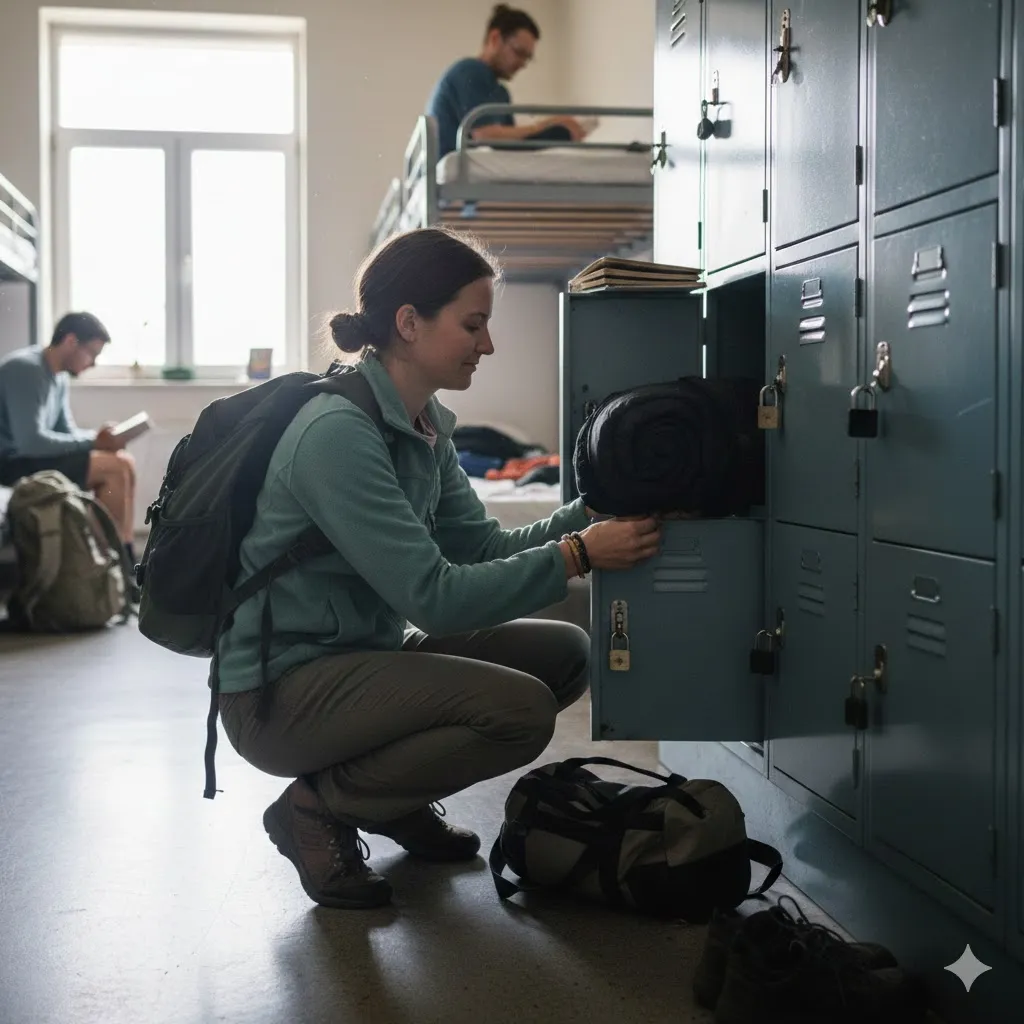
Use lockers, keep valuables minimal, and trust your instincts. A solo traveler in Spain avoided an uncomfortable situation simply by switching dorms—no drama, no guilt.
Internal links to your solo travel safety or packing guides fit naturally here.
FAQs
Are hostels safe for solo travelers?
Generally yes, especially well-reviewed hostels with lockers and active staff.
How do solo travelers meet people in hostels?
Common areas, group activities, and shared meals create easy connections.
Is it weird to go to hostels alone?
Not at all. Many hostel guests are solo travelers.
Should solo travelers choose dorms or private rooms?
Dorms are more social; private rooms offer rest. Many mix both.
How long should solo travelers stay in one hostel?
Three to five nights often balances connection and flexibility.
Conclusion
Hostel tips for solo travelers aren’t about becoming extroverted—they’re about placing yourself where connection is possible. With the right hostel, light engagement, and healthy boundaries, solo travel becomes less about being alone and more about choosing how you connect.
Trusted U.S. Resources
- U.S. Department of State – Travel Safety: https://travel.state.gov
- Centers for Disease Control and Prevention (CDC) Travel Health: https://wwwnc.cdc.gov/travel
- Transportation Security Administration (TSA): https://www.tsa.gov