

A practical vegan travel food guide with tips, comparisons, and real scenarios to help you eat confidently anywhere.
Traveling as a vegan used to mean packing snacks and hoping for the best. Today, it’s different. With a smart vegan travel food guide, you can explore confidently, eat well, and still enjoy local culture without compromising your values.
From airport terminals to small-town cafés, plant-based options are more accessible than ever—if you know how to find them.
What Makes Vegan Travel Easier Than It Used to Be
Global awareness has reshaped menus worldwide. Major cities now label vegan dishes clearly, while many traditional cuisines are naturally plant-forward.
Picture landing late at night after a long flight. Instead of settling for fries, you find a nearby spot offering lentil bowls or vegetable dumplings. That shift didn’t happen by accident—it’s the result of growing demand and better information.
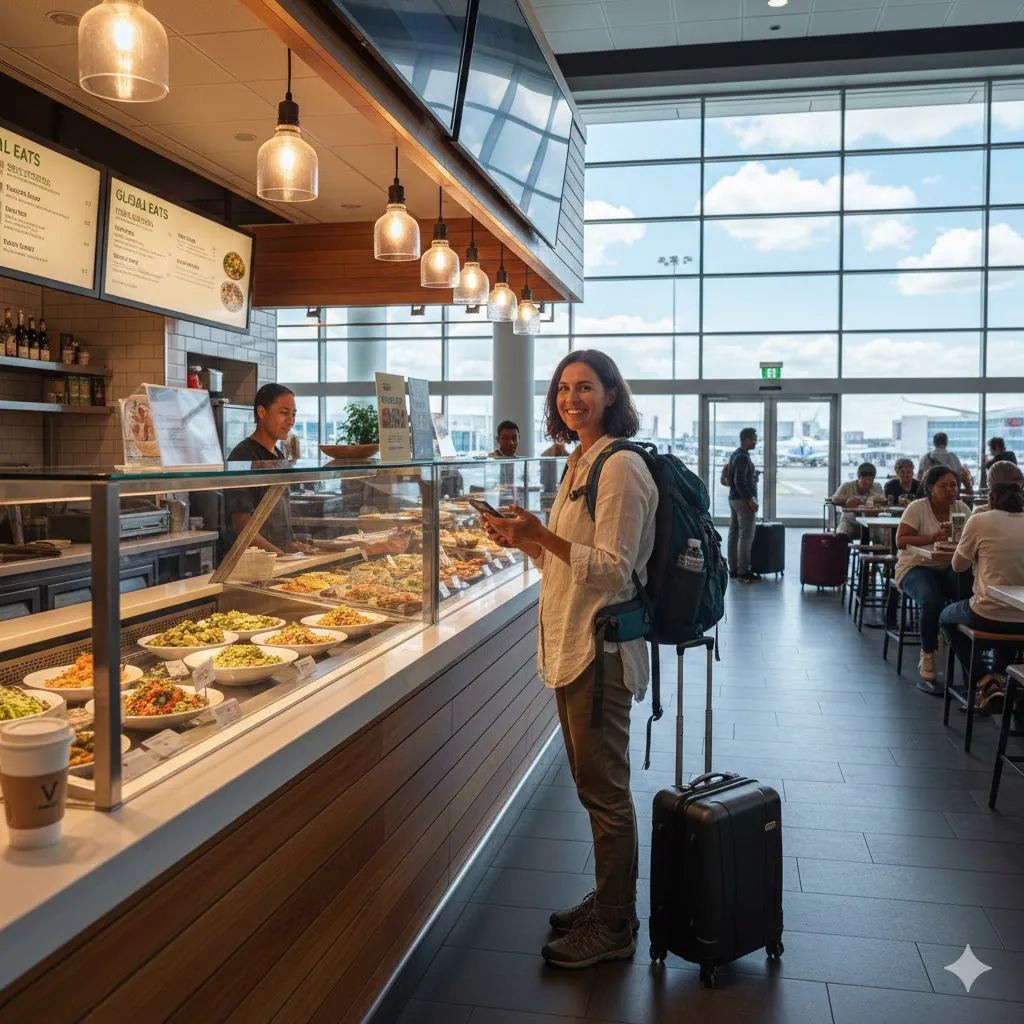
Regional Cuisines That Work Well for Vegans
Some destinations are especially friendly for vegan travelers because their staple dishes already rely on vegetables, grains, and legumes.
Asian regions often feature tofu, rice, noodles, and vegetable broths. Mediterranean areas lean heavily on olive oil, beans, salads, and grilled vegetables. Latin American cuisine offers rice, beans, plantains, and fresh salsas that adapt easily to vegan needs.
Knowing these patterns helps you order confidently—even when menus aren’t translated.
Smart Ordering Strategies on the Road
When traveling, flexibility is just as important as preparation.
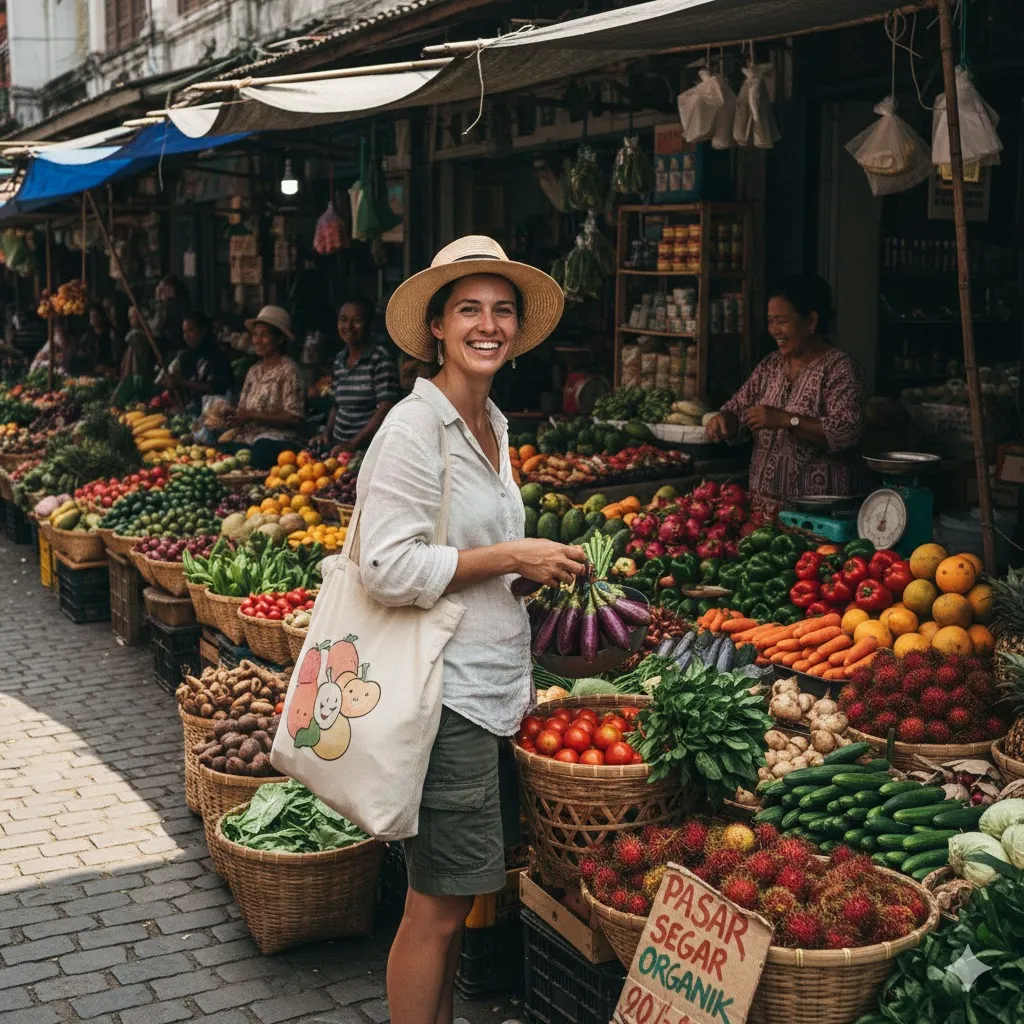
Learning a few key phrases like “no meat, no dairy” in the local language can prevent confusion. Meanwhile, choosing accommodations near markets gives you access to fresh fruit, bread, and ready-to-eat staples.
A real-world example: travelers staying near local food markets often eat better—and cheaper—than those relying solely on restaurants.
Comparing Common Vegan Travel Food Options
| Food Option | Best For | Availability | Cost Level |
|---|---|---|---|
| Local markets | Fresh daily meals | High | Low |
| Vegan restaurants | Convenience & clarity | Medium | Medium |
| Supermarkets | Quick essentials | High | Low |
| Traditional restaurants | Cultural experience | Medium | Medium |
| Street food | Fast & authentic | Varies | Low |
This comparison helps you balance experience, budget, and reliability while traveling.
Staying Nourished on Long Trips
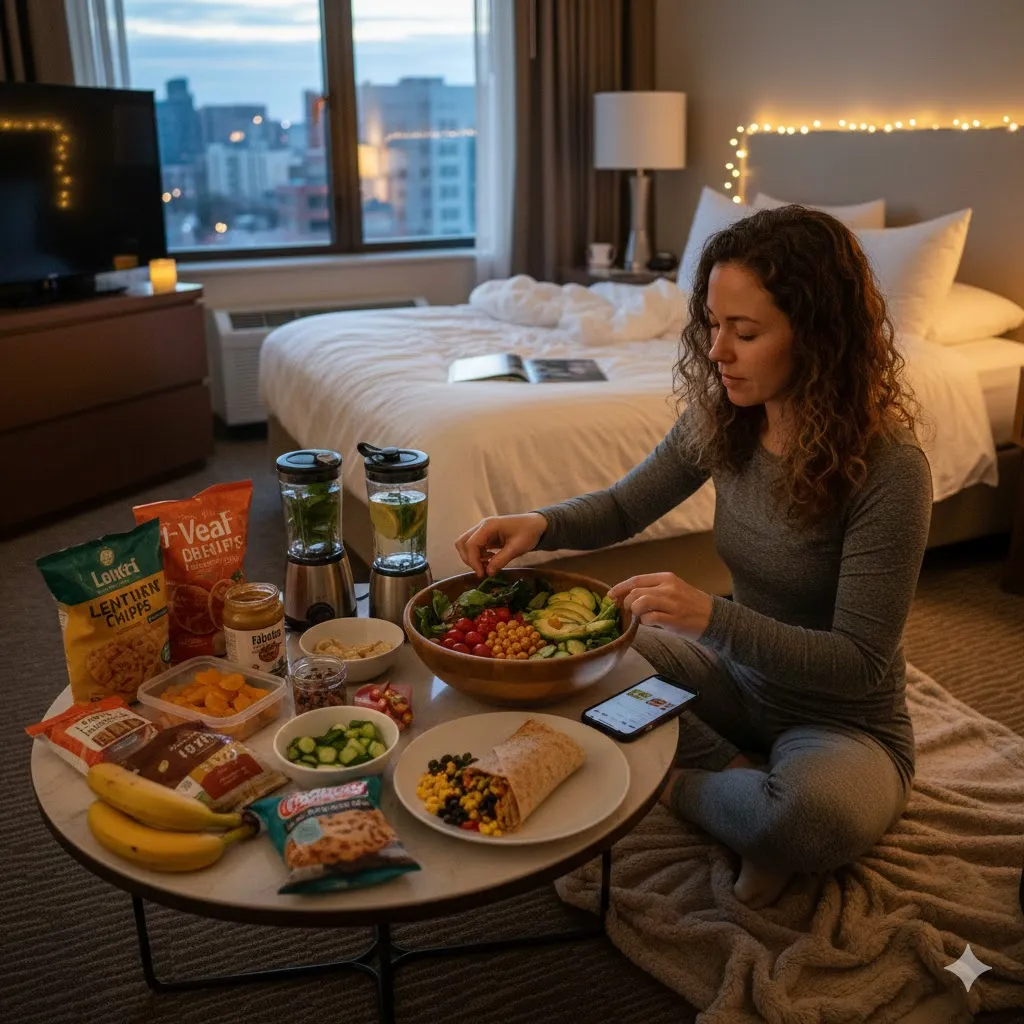
Long journeys can make nutrition an afterthought. Packing protein-rich snacks, choosing balanced meals, and staying hydrated keeps energy levels steady.
For example, adding nuts or legumes to meals prevents the “hungry again in an hour” feeling many travelers experience when relying only on carbs.
Disclaimer
This article is for general informational purposes only and does not provide medical or dietary advice. Individual nutritional needs vary. Plan meals according to your personal health requirements.
Pro Insight
The best vegan travel experiences happen when you mix planning with spontaneity—research ahead, then stay open to local discoveries.
Quick Tip
Save vegan-friendly phrases offline on your phone in case you lose internet access.
Frequently Asked Questions
Is it hard to travel internationally as a vegan?
Not anymore. With preparation and awareness, most destinations are manageable.
What if there are no vegan restaurants nearby?
Local markets and simple ingredient-based meals are reliable alternatives.
Are airlines vegan-friendly?
Most major airlines offer vegan meal options if requested in advance.
How do I avoid language barriers when ordering food?
Use translation apps or show written dietary preferences in the local language.
Can vegan travelers experience local cuisine?
Absolutely. Many traditional dishes are naturally plant-based or easily adapted.
Conclusion
A well-planned vegan travel food guide turns uncertainty into confidence. With cultural awareness, smart ordering strategies, and flexible expectations, eating vegan while traveling becomes part of the adventure—not an obstacle.
The world is more plant-friendly than it looks. You just need to know where—and how—to taste it.
Trusted U.S. Resources
Academy of Nutrition and Dietetics — Plant-Based Nutrition
https://www.eatright.org
U.S. Department of Agriculture — Vegetarian Nutrition
https://www.usda.gov
Harvard T.H. Chan School — Healthy Plant-Based Diets
https://www.hsph.harvard.edu