

Traveling during the holidays can be rewarding, but it often comes with crowds, delays, and higher costs. With a bit of planning and flexibility, you can navigate peak travel periods more smoothly and enjoy the experience rather than feel overwhelmed.
The key is preparation—before you leave and while you’re on the move.
Plan and Book Early
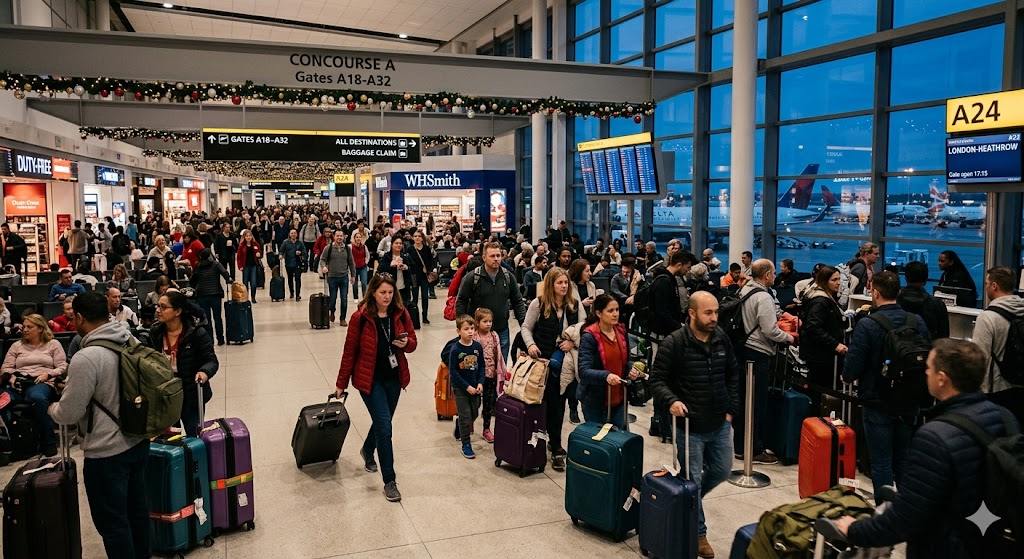
Holiday travel demand rises quickly, which affects both availability and pricing.
- Book flights and accommodations early
Prices and options become limited closer to peak dates - Choose flexible tickets if possible
- Confirm reservations a few days before departure
Early planning gives you more control over your schedule and budget.
Pack Smart and Light
Packing efficiently can save time and reduce stress at airports or train stations.
- Stick to essentials
- Use a carry-on when possible
- Keep important items easily accessible
- Bring backup chargers and travel documents
Traveling light makes it easier to move quickly through crowded spaces.
Holiday Travel vs Regular Travel
| Factor | Holiday Travel | Regular Travel |
|---|---|---|
| Crowds | High | Moderate |
| Prices | Higher | More stable |
| Availability | Limited | More options |
| Delays | More likely | Less frequent |
Pro Insight
A traveler flying on the day before a major holiday may face long lines and delays. Another traveler choosing an early morning flight two days earlier often experiences shorter wait times and fewer disruptions.
Timing can significantly shape your travel experience—even within the same week.
Arrive Early and Expect Delays
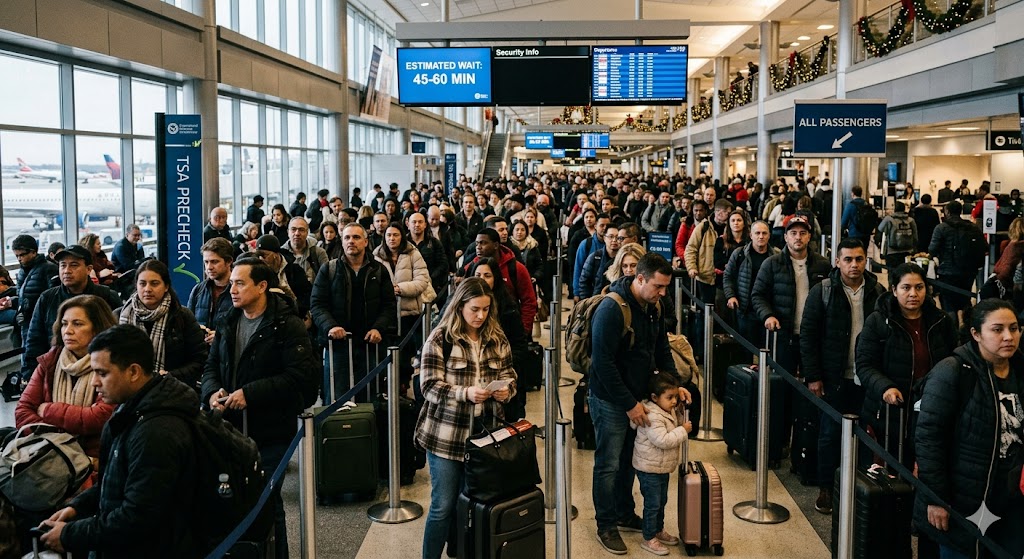
During holidays, everything takes longer.
- Arrive earlier than usual
- Allow extra time for security checks
- Prepare for possible delays or rescheduling
Having a buffer helps reduce stress if things don’t go exactly as planned.
Quick Tip
Download airline or travel apps to receive real-time updates about delays, gate changes, or cancellations.
Stay Flexible With Your Plans
Flexibility can make a major difference during peak travel periods.
- Consider traveling on less popular days
- Be open to alternate routes or airports
- Adjust plans if conditions change
Being adaptable helps you handle unexpected situations more calmly.
Keep Essentials Within Reach
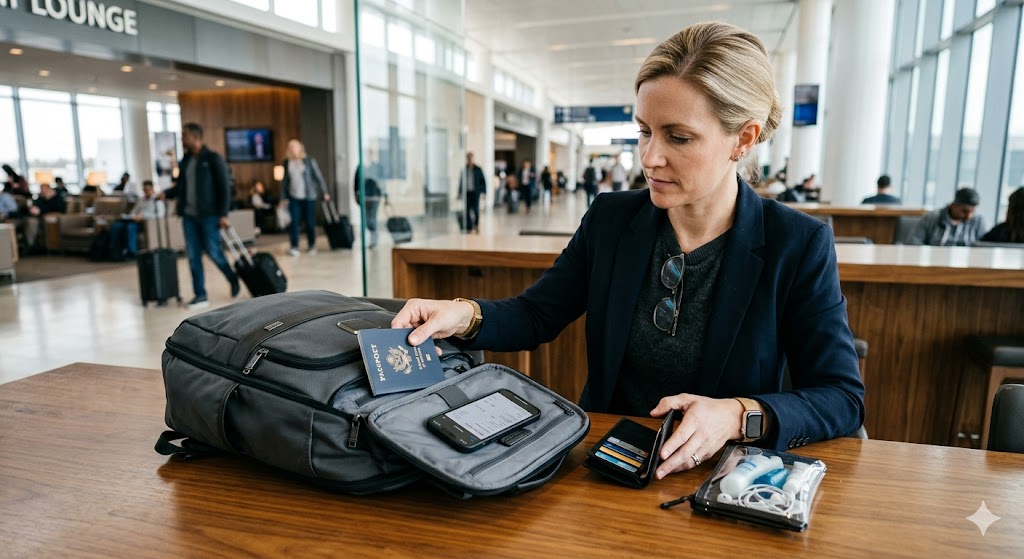
Certain items should always stay close to you.
- Travel documents and identification
- Phone, chargers, and power bank
- Medications and basic toiletries
- Snacks and water
Having these items easily accessible can make delays more manageable.
Frequently Asked Questions
When is the busiest time to travel during holidays
Typically the days immediately before and after major holidays.
How can I avoid travel delays
You can’t avoid them entirely, but early departures and flexible plans help reduce impact.
Is it better to travel early or late in the day
Early morning travel often experiences fewer delays.
Should I book travel insurance
It can be helpful during peak seasons when disruptions are more likely.
How early should I arrive at the airport during holidays
Arriving at least 2–3 hours early for domestic flights is generally recommended.
Conclusion
Holiday travel doesn’t have to be stressful. With early planning, smart packing, and realistic expectations, you can navigate busy travel periods with greater ease.
By staying flexible and prepared, you can focus more on the purpose of your trip—and less on the challenges along the way.
Trusted U.S. Resources
https://www.tsa.gov
https://www.transportation.gov
https://www.usa.gov/travel
https://www.travel.state.gov
This article is for general informational purposes only and does not provide legal, financial, medical, or professional advice. Policies, rates, and regulations may change over time.