
Solo travel tips can make a significant difference for travelers exploring new destinations on their own. Traveling alone offers freedom, flexibility, and opportunities to experience places at a personal pace. At the same time, it requires thoughtful planning and awareness.
Many solo travelers find that preparation, good decision-making, and simple safety habits create a smoother experience. Whether the journey involves a weekend city visit or a longer international trip, a few practical strategies can help travelers stay confident and comfortable throughout their adventure.
Understanding how to plan, stay safe, and connect with others along the way can transform solo travel into a deeply rewarding experience.
Planning Your Solo Trip Carefully
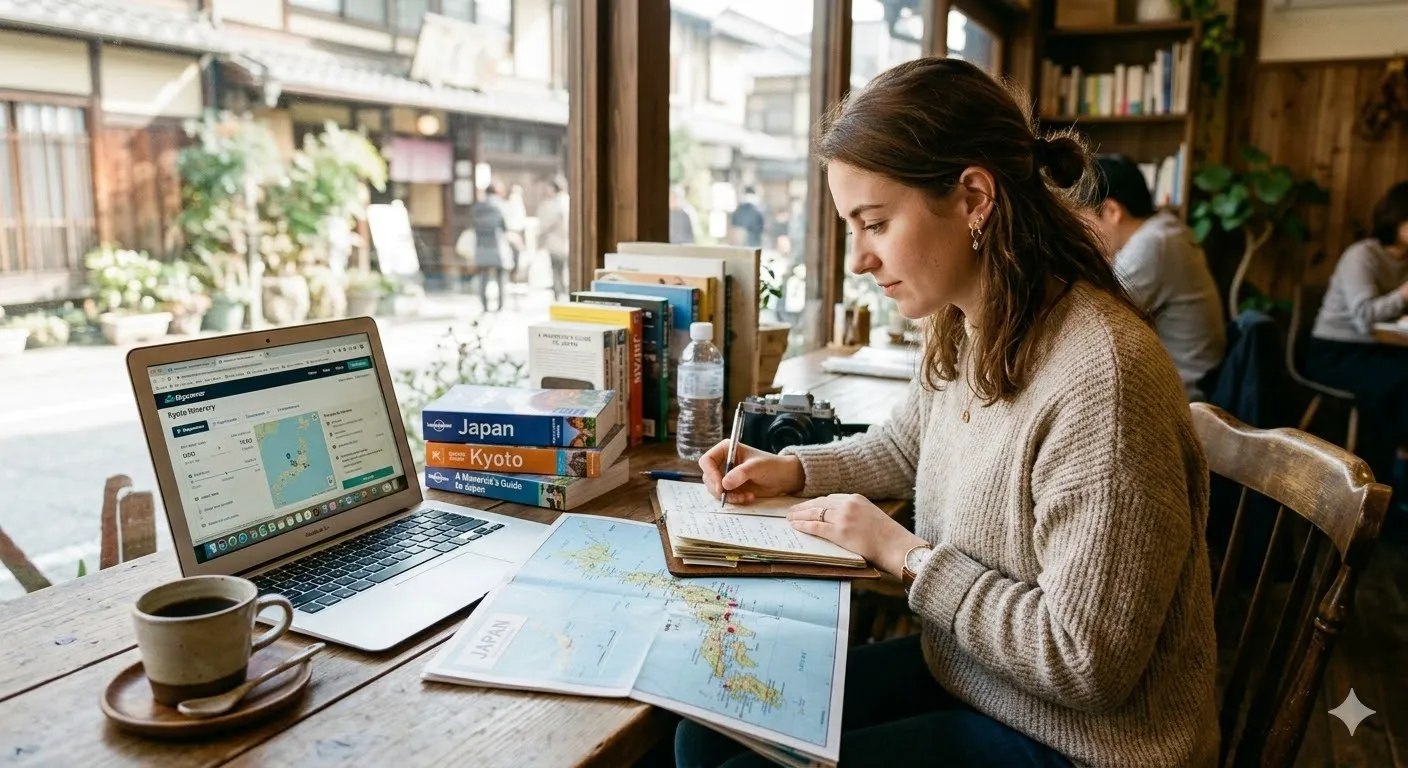
Preparation is often the most important step for solo travelers. When traveling alone, having basic knowledge about transportation, accommodations, and local customs helps avoid unnecessary stress.
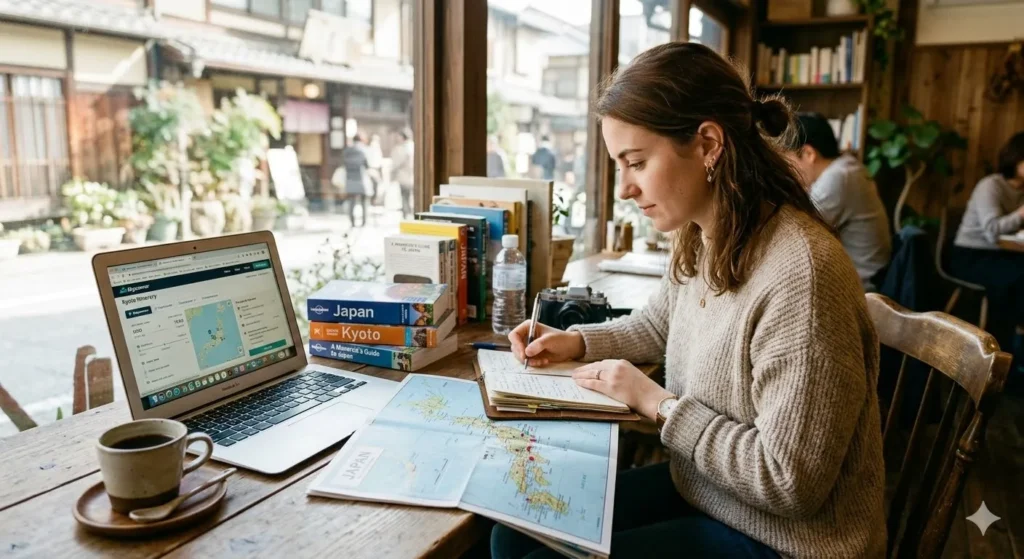
Some helpful planning steps include:
• Researching transportation options at the destination
• Booking accommodations in well-reviewed locations
• Learning basic phrases if traveling to another country
• Saving offline maps and important addresses
Many solo travelers also share their itinerary with a trusted friend or family member before leaving.
This extra layer of communication can provide peace of mind during the trip.
Choosing Accommodations That Suit Solo Travelers
Accommodation plays a large role in the comfort of a solo trip. Travelers often choose places that balance safety, convenience, and opportunities to meet others.
Common choices include:
• Hostels with social common areas
• Boutique hotels in central neighborhoods
• Guesthouses run by local hosts
• Small bed-and-breakfast accommodations
Reading recent reviews helps travelers understand the atmosphere and security of a location before booking.
A welcoming environment can make solo travel feel far less isolating.
Comparing Solo Travel Accommodation Types
| Accommodation Type | Key Advantage | Typical Traveler |
|---|---|---|
| Hostels | Social atmosphere | Backpackers and solo explorers |
| Hotels | Privacy and comfort | Business or leisure travelers |
| Guesthouses | Local cultural experience | Cultural travelers |
| Short-term rentals | Independence and space | Longer stays |
Different accommodations suit different travel styles, so the right choice depends on personal preferences.
Pro Insight
Many experienced solo travelers recommend spending the first day exploring slowly rather than filling the schedule with activities.
For example, a traveler arriving in Barcelona might begin with a relaxed walk through a local neighborhood café district. Observing the daily rhythm of the city—people commuting, shops opening, street musicians performing—can provide a natural introduction to the destination.
This approach helps travelers feel more oriented before diving into busier sightseeing plans.
Staying Safe While Traveling Alone
Safety is often one of the biggest concerns for people considering solo travel. Simple habits can help reduce risk and increase awareness.
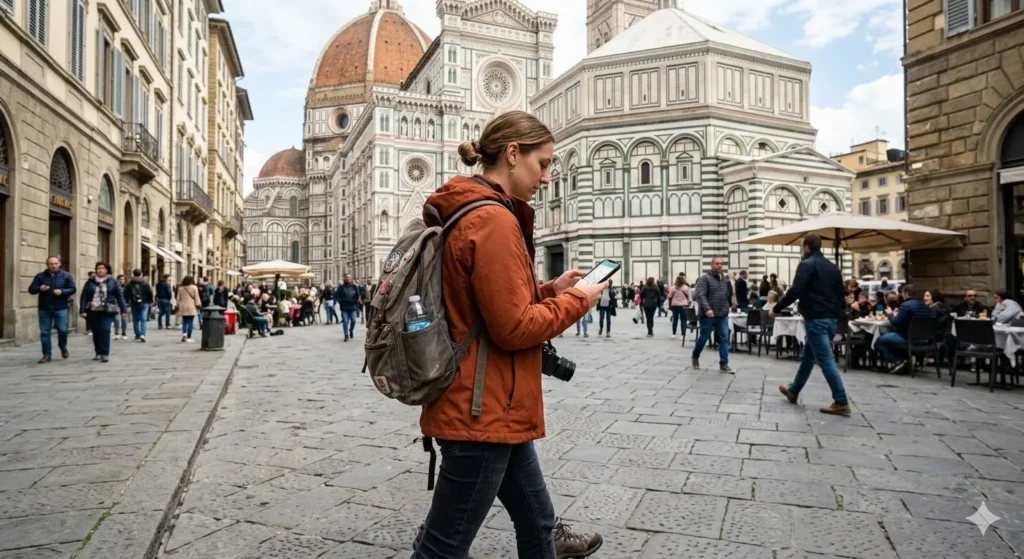
Helpful safety practices include:
• Keeping valuables secure and out of sight
• Staying aware of surroundings in crowded areas
• Avoiding poorly lit streets late at night
• Using official transportation services
Trusting instincts also plays an important role. If a situation feels uncomfortable, it is often best to leave the area and find a more public space.
Quick Tip
Carry both digital and printed copies of important travel documents such as passports, hotel reservations, and emergency contact numbers.
Having backup copies can be helpful if devices lose battery or documents are misplaced.
Meeting People During Solo Travel
Traveling alone does not necessarily mean being alone throughout the journey. Many travelers meet others naturally through shared experiences.
Ways to connect with people include:
• Joining walking tours or local workshops
• Attending cultural events or cooking classes
• Staying in accommodations with communal spaces
• Visiting cafés, markets, or public parks
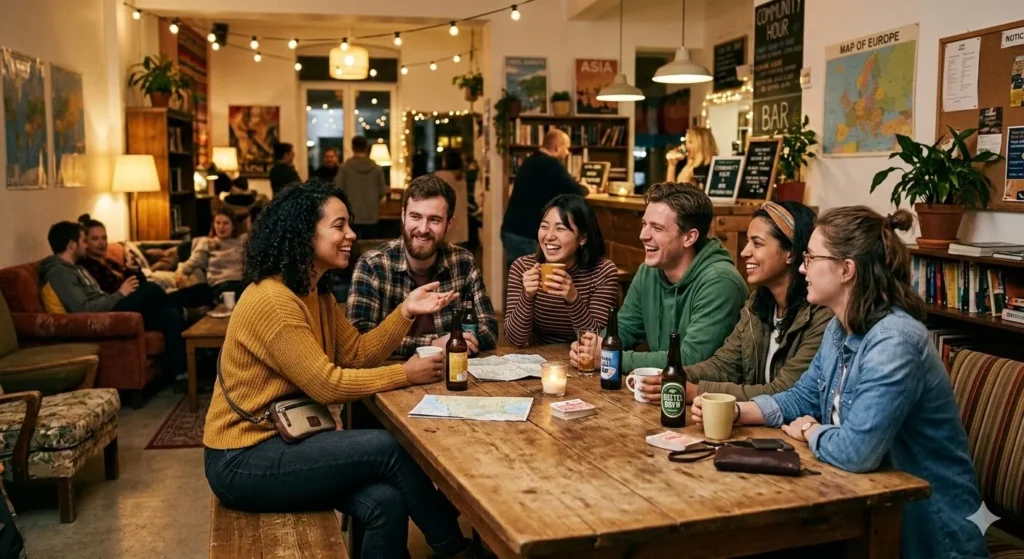
Even brief conversations with fellow travelers or locals can add memorable moments to the trip.
Frequently Asked Questions
Is solo travel safe for beginners?
Solo travel can be safe when travelers plan carefully, stay aware of their surroundings, and choose reputable accommodations and transportation.
What are the best destinations for solo travelers?
Cities with strong tourism infrastructure, public transportation, and welcoming communities are often comfortable choices for solo travelers.
How do solo travelers avoid feeling lonely?
Joining tours, staying in social accommodations, and participating in local activities can help travelers meet people along the way.
Should solo travelers plan every detail?
Some planning helps ensure smooth logistics, but leaving space for flexibility often leads to spontaneous discoveries.
What should solo travelers pack differently?
Travelers often carry essential safety items such as portable chargers, copies of documents, and compact travel locks.
Conclusion
Solo travel offers a unique opportunity to explore the world independently while gaining new perspectives and experiences. With thoughtful preparation, awareness, and openness to meeting people, traveling alone can become one of the most enriching forms of exploration.
Rather than focusing solely on destinations, solo journeys often reveal personal growth, confidence, and meaningful encounters along the way.
Trusted U.S. Resources
https://travel.state.gov
https://www.usa.gov/travel
https://www.cdc.gov/travel
https://www.si.edu
This article is for general informational purposes only and does not provide legal, financial, medical, or professional advice. Policies, rates, and regulations may change over time.