

Solo travel is more than just taking a trip alone—it’s about independence, self-discovery, and experiencing destinations at your own pace. Whether it’s your first time traveling solo or you’re already comfortable exploring alone, solo travel offers a level of freedom that group trips often can’t match.
In 2025, solo travel continues to grow as more people seek flexible, meaningful experiences without having to coordinate schedules or preferences with others.
🔒 Disclaimer: This article is for informational purposes only and does not provide safety, legal, or medical guarantees. Travel risks and conditions vary by destination and individual behavior.
What solo travel really means
Solo travel simply means traveling without companions—but the experience is far from lonely by default. It allows you to design every part of your journey, from destinations and accommodations to daily activities and pace.
For some, solo travel is about reflection and quiet exploration. For others, it’s a chance to meet new people without social pressure.
A realistic scenario: a solo traveler changes plans mid-trip after discovering a new city they want to explore longer—something much harder to do when traveling with a group.
Why people choose to travel solo
People choose solo travel for many reasons, including:
- Full control over itinerary and schedule
- Opportunities for personal growth
- Easier decision-making
- Increased confidence and independence
- Deeper cultural immersion
Without the need to compromise, solo travelers often feel more connected to their surroundings and experiences.
Pro Insight: Solo travel often builds decision-making confidence that carries over into everyday life.
Safety and awareness while traveling alone
Safety is one of the most common concerns around solo travel. While risks exist everywhere, awareness and preparation significantly reduce them.
Helpful habits include:
- Staying in well-reviewed accommodations
- Keeping friends or family informed of plans
- Trusting instincts in unfamiliar situations
- Avoiding risky environments, especially at night
Being observant and confident often helps solo travelers avoid unwanted situations.
Managing money and logistics on your own
Handling logistics alone means planning ahead—but it also builds self-reliance.
Smart solo travel practices:
- Carry multiple forms of payment
- Keep copies of important documents
- Separate cash, cards, and IDs
- Use digital tools for maps and bookings
Small habits like backing up documents can prevent major disruptions.
Quick Tip: Store digital copies of passports and reservations in secure cloud storage for easy access.
Connecting with others while solo traveling
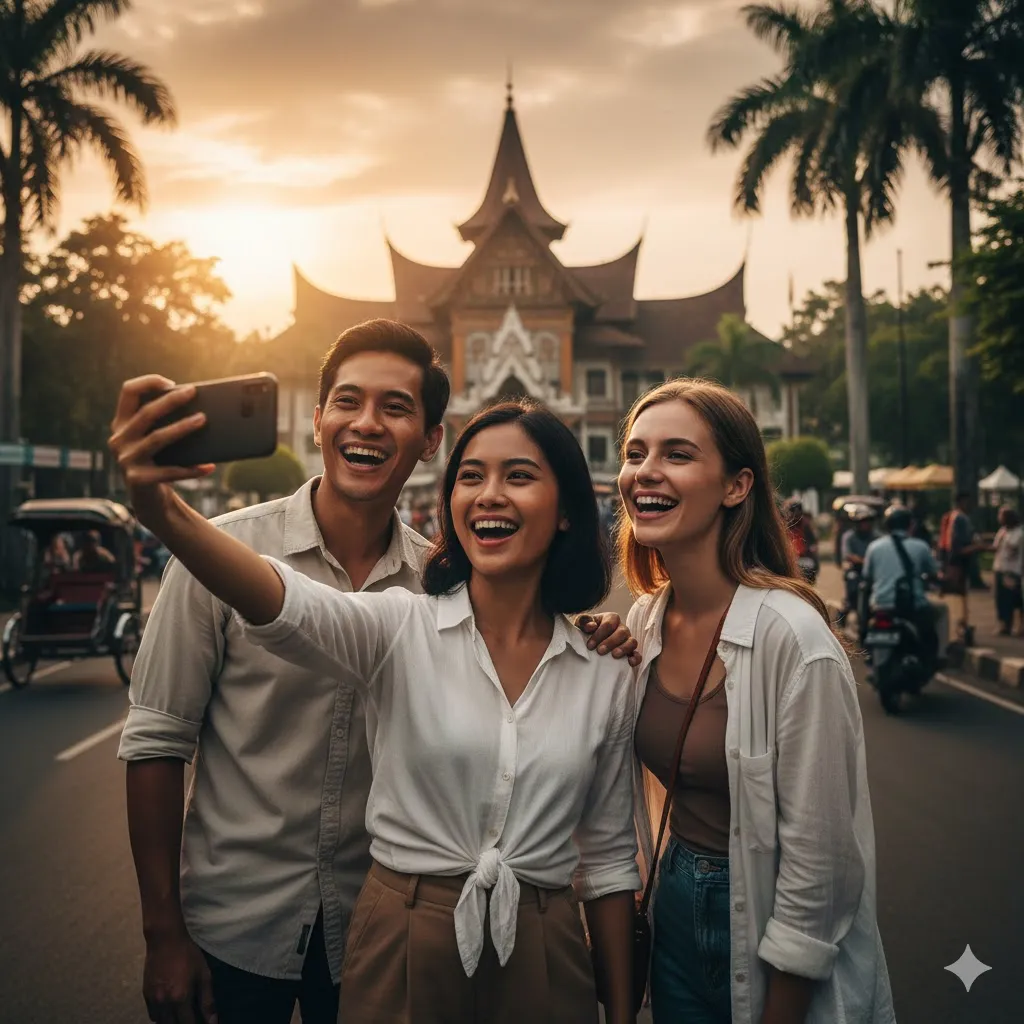
Solo travel doesn’t mean isolation. Many solo travelers enjoy meeting people organically.
Ways to connect:
- Group tours or local experiences
- Social hostels or shared accommodations
- Classes, workshops, or cultural activities
- Travel-focused communities or apps
You decide when to socialize and when to enjoy solitude.
Challenges solo travelers may face
While rewarding, solo travel comes with challenges:
- Occasional loneliness
- Decision fatigue
- Navigating language barriers
- Handling unexpected changes alone
Recognizing these challenges ahead of time helps you manage them calmly rather than being caught off guard.
Is solo travel right for you?
Solo travel suits people who value flexibility, independence, and personal growth. It may feel intimidating at first, but many travelers find confidence grows quickly once the journey begins.
Starting with well-developed destinations or shorter trips can make the transition smoother.
Frequently asked questions about solo travel
Is solo travel safe?
It can be safe with preparation, awareness, and responsible decision-making.
Is solo travel expensive?
Costs vary. Some expenses may be higher, but flexibility can help manage budgets.
Do solo travelers get lonely?
Sometimes—but many balance solitude with social activities.
Is solo travel good for beginners?
Yes. Many people start with short solo trips to build confidence.
Do I need special travel insurance?
Insurance isn’t required, but many travelers choose it for peace of mind.