

Finding reliable halal food while traveling can shape the entire experience. For Muslim travelers — and anyone seeking halal-certified meals — knowing where to eat reduces uncertainty and allows more time to enjoy the destination itself.
A well-planned halal travel restaurant list isn’t just about labels. It’s about verification, regional awareness, and understanding how halal standards are applied in different countries. With preparation, you can explore new cuisines confidently.
How to Identify Halal Restaurants Abroad
Not every restaurant that serves Middle Eastern or South Asian cuisine is automatically halal-certified. Verification methods vary by country.
When researching, look for:
- Official halal certification logos
- Local Islamic authority endorsements
- Clear ingredient disclosures
- Separate preparation areas for halal food
- Consistent reviews from Muslim travelers
In Muslim-majority countries, halal standards are often widespread. In non-Muslim-majority destinations, certification may be restaurant-specific.
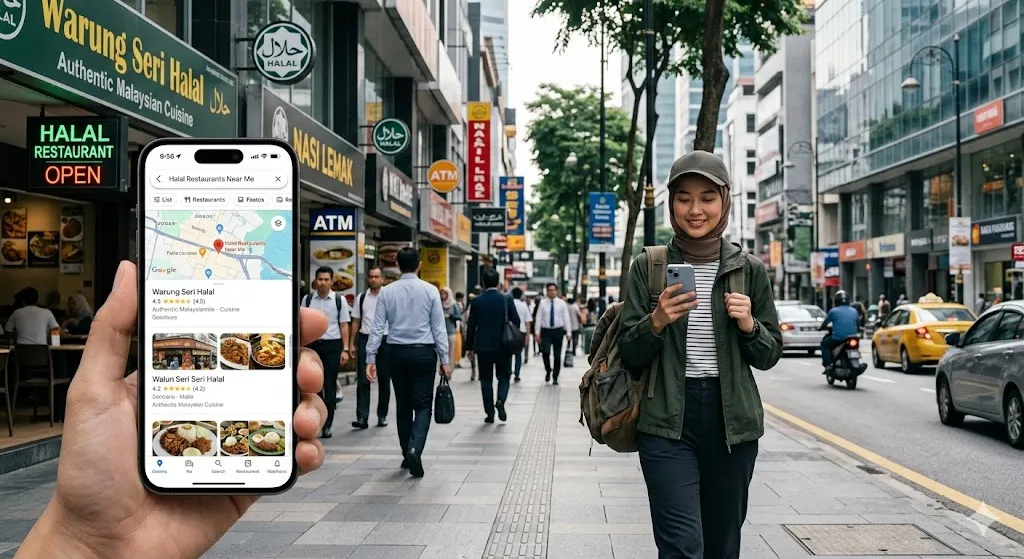
Popular Cities With Strong Halal Options
Many global cities now offer expanding halal restaurant networks due to growing tourism and diverse populations.
| City | Halal Availability | Cuisine Variety | Ease of Verification |
|---|---|---|---|
| London | High | Middle Eastern, Turkish, South Asian | Moderate to High |
| New York | High | Mediterranean, American halal, Fusion | Moderate |
| Kuala Lumpur | Very High | Malaysian, International | High |
| Istanbul | Very High | Turkish, Global | High |
| Dubai | Very High | Global cuisine | High |
In cities like London and New York, halal restaurants range from casual street food vendors to fine dining establishments. Apps and community reviews often help verify authenticity.
Research before arrival saves time onsite.
Building Your Halal Travel Restaurant List
Before traveling, consider creating a structured list including:
- Breakfast spots near your accommodation
- Lunch options near tourist attractions
- Dinner reservations in popular districts
- Grocery stores offering halal products
- Backup quick-service restaurants
For example, a traveler visiting New York might identify a halal cart near Midtown for lunch, a certified Mediterranean restaurant for dinner, and a grocery store with halal meat options near their hotel.
Having both primary and backup options reduces stress.
Pro Insight
Halal standards differ slightly across regions depending on local certification authorities. Some travelers prefer restaurants certified by recognized Islamic councils, while others rely on owner declarations in smaller establishments.
If dietary adherence is strict, confirm certification source rather than assuming based on cuisine type alone.
Verification builds confidence.
Quick Tip
Download offline maps and save halal restaurant locations before departure. In areas with limited connectivity, pre-saved addresses prevent last-minute searching.
Prepared navigation keeps schedules smooth.
Regional Considerations
Europe
Major cities typically offer strong halal restaurant clusters in multicultural neighborhoods. Smaller towns may have fewer certified options.
North America
Urban centers have growing halal markets, including halal fast-casual chains and food trucks. Certification practices vary, so reviews are helpful.
Southeast Asia
In Muslim-majority countries like Malaysia and Indonesia, halal certification is widespread. In other countries, check labels carefully.
Middle East
Most restaurants follow halal standards by default, though international chains may vary.
Understanding local norms helps set expectations.
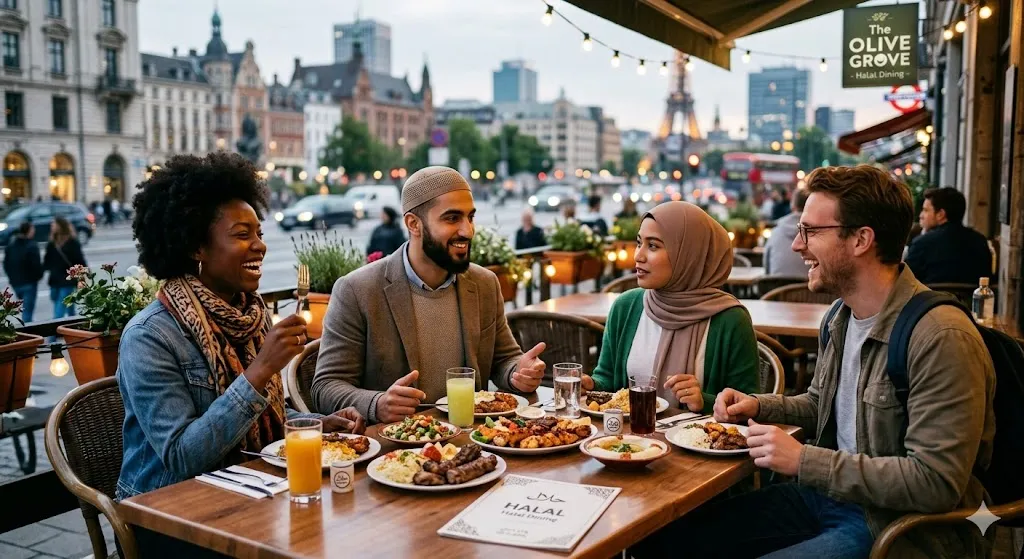
Using Technology to Find Halal Restaurants
Several apps and platforms specialize in halal dining directories. Features often include:
- User-submitted reviews
- Certification verification
- Location-based search
- Cuisine filters
However, digital listings should still be cross-checked through recent reviews or official certification boards when possible.
Crowdsourced data is helpful but not definitive.
Frequently Asked Questions
How can I verify if a restaurant is truly halal?
Look for official certification logos, check the certifying authority, and read recent traveler reviews confirming compliance.
Are vegetarian restaurants automatically halal?
Not necessarily. While vegetarian food avoids meat concerns, cross-contamination and alcohol usage may still be factors.
Is halal food easy to find in non-Muslim countries?
In major cities, yes. Availability increases in urban areas with diverse populations.
Should I contact restaurants directly?
Yes, especially in regions where certification is unclear. Direct communication can clarify preparation methods.
Are airport restaurants halal?
Some international airports offer halal-certified options, but availability varies. Checking airport directories in advance is advisable.
Conclusion
A thoughtful halal travel restaurant list transforms dining from uncertainty into enjoyment. By researching certification standards, using trusted apps, identifying backup options, and understanding regional differences, travelers can explore global cuisine confidently.
Preparation allows you to focus on the journey — not the search for your next meal.
https://www.halal.gov.my
https://www.cdc.gov/travel
https://travel.state.gov
https://www.usa.gov/travel
This article is for general informational purposes only and does not provide legal, financial, medical, or professional advice. Policies, rates, and regulations may change over time.