

Halal food travel tips have become essential for modern travelers. In 2026, global tourism is more connected than ever, yet finding halal-friendly meals can still feel uncertain—especially in non-Muslim-majority countries. With the right approach, traveling for food can shift from stressful guesswork to confident exploration.
These tips focus on practical habits real travelers use, not ideal scenarios.
This article is for general informational purposes only and does not provide religious, legal, or travel advice. Availability of halal food varies by location, regulation, and local practices.
Why halal travel planning matters more today
Airports are busier, transit times are longer, and food options change quickly. A Muslim couple traveling through rural Japan shared how a missed train connection forced an overnight stay—without prior planning, dinner became instant snacks instead of a meal.
Halal food travel tips aren’t about restriction. They’re about preparation that preserves both comfort and cultural respect.
Research before you arrive, not after
Waiting until hunger hits is the fastest way to feel limited.
Start by checking local halal restaurant directories, food delivery apps, and community reviews. In many U.S. cities, halal food trucks and fusion cafés appear temporarily and won’t show up on traditional maps.
A student visiting Austin found reliable halal tacos simply by searching neighborhood reviews the night before arriving.
Learn local food language cues
Some countries don’t use the word “halal” widely. Instead, menus may highlight:
- vegetarian or seafood-only dishes
- alcohol-free kitchens
- Muslim-owned eateries
Internal links to your site’s halal certification or food label guides fit naturally here.
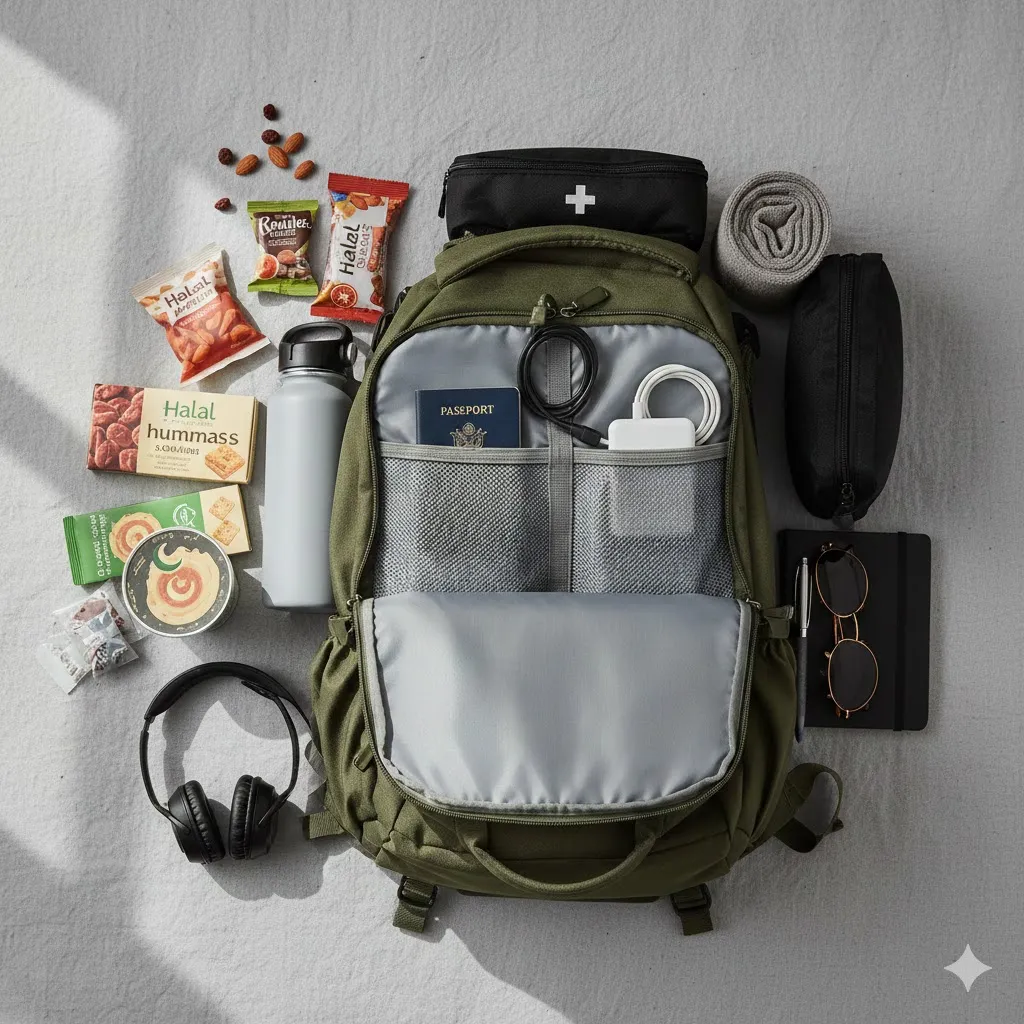
Pack smart for transit days
Transit days are the most common failure point.
Long flights, train delays, or road trips often leave travelers with no halal options nearby. Packing shelf-stable snacks isn’t pessimism—it’s strategy.
A consultant flying cross-country in the U.S. avoided airport stress entirely by carrying halal protein bars and sealed meals through security.
Choose accommodations with food flexibility
Hotels influence food access more than most travelers realize.
Staying near ethnic neighborhoods, booking rooms with kitchenettes, or choosing extended-stay hotels can dramatically reduce food stress.
A family in Paris opted for an apartment-style stay near a local market. Simple breakfasts and one halal dinner daily turned a potentially difficult trip into a relaxed one.
Compare common halal travel food options
Different strategies work better depending on destination and trip style.
| Food Strategy | Best For | Convenience | Flexibility |
|---|---|---|---|
| Halal restaurants | Major cities | High | Medium |
| Vegetarian/seafood meals | Short stays | Medium | High |
| Self-catering | Long trips | Medium | Very high |
| Packaged halal foods | Transit days | High | Medium |
Pro Insight
Most halal travel stress comes from uncertainty, not scarcity. Once you identify two reliable food options per day, the rest of the trip feels significantly lighter.
Quick Tip
When dining out, ask how food is prepared, not just what it contains. Cross-contamination with alcohol or non-halal meat is more common than unclear ingredients.

Respect local culture while honoring your needs
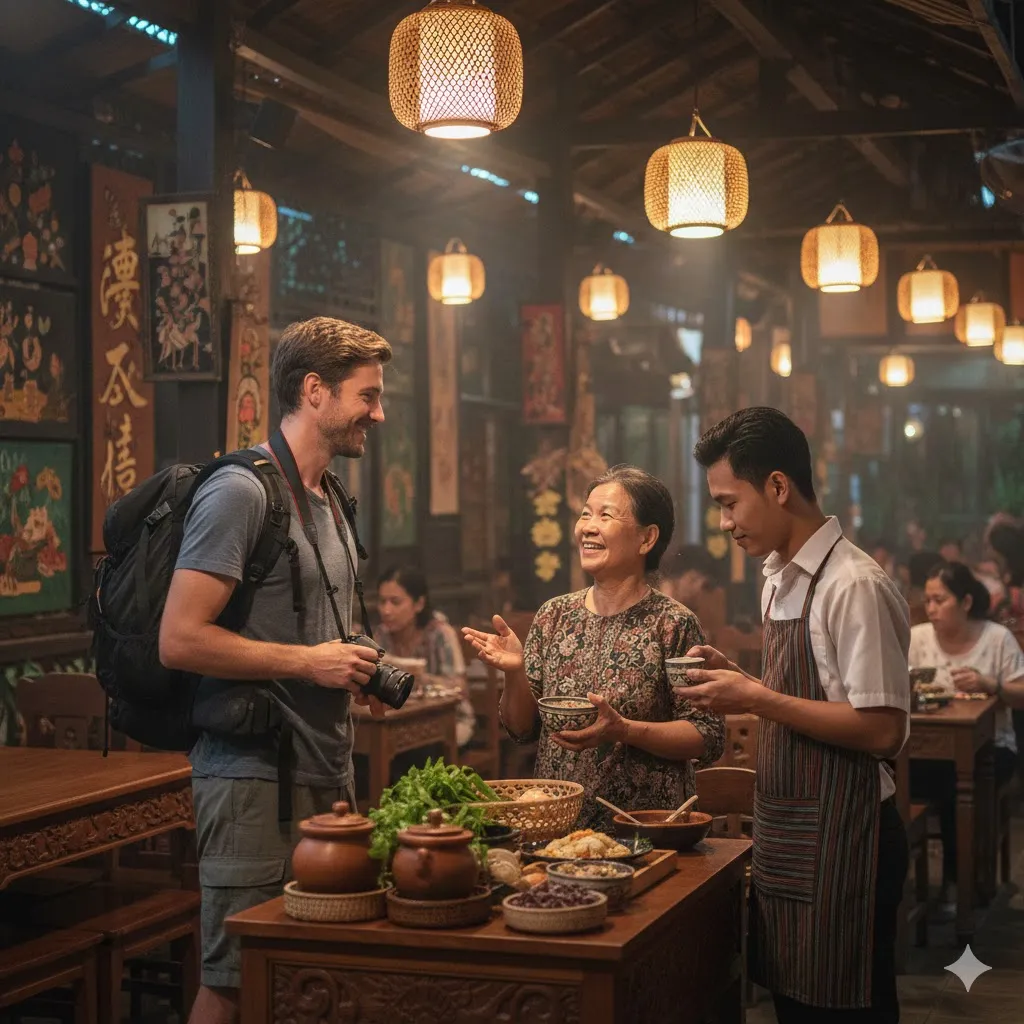
Polite curiosity goes a long way. In many places, restaurant staff may not understand halal requirements—but they are willing to help when approached respectfully.
A solo traveler in South Korea found repeated success by explaining dietary needs calmly rather than asking only yes-or-no questions.
Internal links to your travel etiquette or cultural awareness guides fit naturally in this context.
FAQs
Is halal food available in non-Muslim countries?
Yes, especially in major cities, though availability may be limited in rural areas.
Can vegetarian food always be considered halal?
Not always. Alcohol-based sauces or shared cooking surfaces can be an issue.
Are airline halal meals reliable?
Generally yes, but availability depends on airline and route. Always confirm in advance.
How do I check halal authenticity abroad?
Look for local certification, community reviews, or Muslim-owned establishments.
Is it disrespectful to ask restaurants about halal food?
No. Polite questions are usually welcomed and appreciated.
Conclusion
Halal food travel tips are less about limiting experiences and more about creating peace of mind. With light research, flexible planning, and respectful communication, traveling while eating halal becomes natural—no matter where the journey leads.
Trusted U.S. Resources
- U.S. Department of State – International Travel Guidance: https://travel.state.gov
- Islamic Food and Nutrition Council of America (IFANCA): https://www.ifanca.org
- Centers for Disease Control and Prevention (CDC) Travel Health: https://wwwnc.cdc.gov/travel