

Halal food safety involves more than ingredient selection. It combines religious dietary compliance with proper handling, preparation, and hygiene standards. Whether you’re eating at home, traveling, or dining out, understanding halal food safety tips helps ensure both spiritual and physical well-being.
Safe halal practices focus on sourcing, preparation, storage, and cross-contamination prevention. Attention to these details reduces health risks while maintaining compliance.
Careful handling protects both quality and integrity.
Understanding Halal and Food Safety Together
Halal refers to food that is permissible under Islamic dietary guidelines. Food safety, on the other hand, involves preventing contamination and illness through proper hygiene and temperature control.
The two intersect in important ways:
- Proper slaughter practices
- Clean preparation surfaces
- Separation from non-halal products
- Correct storage temperatures
- Hygienic handling during processing
A product labeled halal should also meet general food safety standards. Both elements matter.
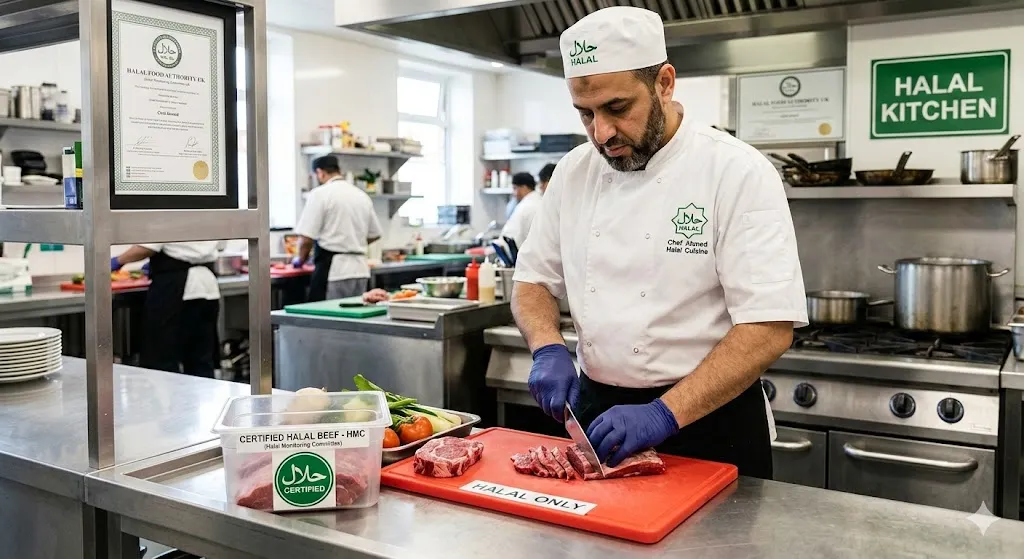
Prevent Cross-Contamination
Cross-contamination is one of the most common risks in halal food preparation. Even if meat is halal-certified, improper handling can compromise compliance and safety.
To reduce risk:
- Use separate utensils for halal and non-halal foods
- Clean cutting boards thoroughly between uses
- Store halal meat separately in refrigerators
- Avoid shared frying oil with non-halal items
For example, a restaurant may serve halal chicken but cook it in oil previously used for non-halal products. This creates both safety and compliance concerns.
Clear separation protects standards.
Compare Safe Handling Practices
| Safety Practice | Purpose | Risk if Ignored |
|---|---|---|
| Separate Storage | Prevent contamination | Mixed ingredients |
| Proper Refrigeration | Slow bacterial growth | Foodborne illness |
| Clean Utensils | Maintain hygiene | Cross-contamination |
| Verified Suppliers | Ensure halal sourcing | Compliance uncertainty |
Each step reinforces both religious adherence and food safety.
Pro Insight
Halal certification logos vary by country. Confirming the issuing authority can provide added assurance, especially when traveling. Certification from recognized Islamic councils often includes inspection of hygiene and processing facilities — not just ingredient review.
Verification supports confidence in both safety and compliance.
Maintain Proper Food Storage
Temperature control is essential for preventing bacterial growth.
Safe practices include:
- Refrigerating perishable foods promptly
- Keeping refrigerators below 40°F (4°C)
- Avoiding prolonged room-temperature exposure
- Freezing meat if not used within recommended timeframes
Improper storage can lead to spoilage even if the product was halal-certified initially.
Food safety extends beyond purchase.
Quick Tip
When dining out, politely ask whether halal items are prepared on separate grills or surfaces. Clear communication reduces uncertainty and ensures informed choices.
Questions support transparency.
Be Cautious With Processed Foods
Processed foods labeled halal should still be reviewed for:
- Expiration dates
- Seal integrity
- Proper storage conditions
- Clear ingredient lists
If packaging appears damaged or improperly stored, safety may be compromised regardless of certification.
Inspection remains important.
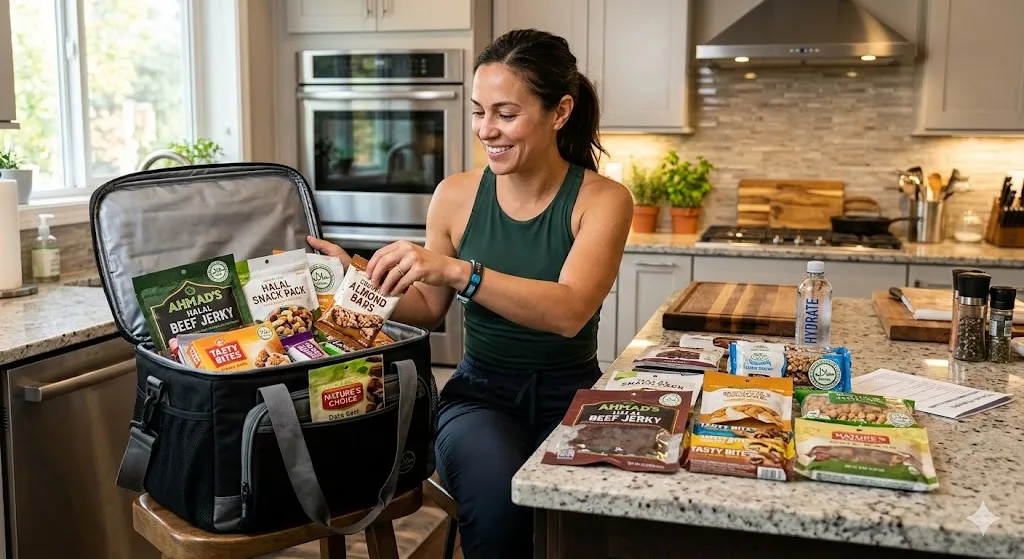
Traveling With Halal Food
Travel introduces additional considerations:
- Bring shelf-stable halal snacks
- Research certified restaurants in advance
- Confirm food preparation standards when possible
- Carry insulated storage for perishable items
For example, during long road trips, keeping halal sandwiches in insulated containers with ice packs maintains safe temperatures and reduces spoilage risk.
Preparation prevents inconvenience.
Hygiene Practices at Home
Home kitchens require consistent cleanliness:
- Wash hands before handling food
- Sanitize surfaces regularly
- Cook meat to safe internal temperatures
- Avoid reusing marinades without heating
Food safety guidelines apply equally to halal cooking environments.
Consistency protects health.

Frequently Asked Questions
Is halal food automatically safer?
Halal certification focuses on permissible ingredients and slaughter methods. General food safety practices must still be followed to prevent contamination.
How can I verify halal certification?
Look for official logos and check the certifying body’s credibility, especially when traveling internationally.
Can cross-contamination affect halal compliance?
Yes. Shared utensils, surfaces, or oil can compromise halal status.
What temperature should halal meat be stored at?
Perishable meat should be stored below 40°F (4°C) to reduce bacterial growth.
Are vegetarian foods automatically halal?
Vegetarian foods may avoid meat concerns, but ingredient sourcing and preparation methods still require review.
Conclusion
Halal food safety tips combine religious compliance with practical hygiene standards. From verifying certification to preventing cross-contamination and maintaining proper storage temperatures, each step contributes to both dietary integrity and physical well-being.
Whether cooking at home or dining abroad, awareness and preparation ensure halal meals remain safe, compliant, and enjoyable.
https://www.fsis.usda.gov
https://www.fda.gov
https://www.cdc.gov/foodsafety
https://www.usa.gov/food-safety
This article is for general informational purposes only and does not provide legal, financial, medical, or professional advice. Policies, rates, and regulations may change over time.