

Halal food culture travel is no longer a niche experience. In 2026, Muslim-friendly travel has expanded across major global cities — from New York and London to Tokyo and Seoul. Restaurants, hotels, and even airlines are adapting to meet the growing demand for halal-conscious dining and culturally respectful hospitality.
But halal food travel is about more than just ingredients. It’s about community, tradition, and the shared experience of meals that honor faith while celebrating local flavors.
Let’s explore how to navigate it confidently.
What Halal Food Culture Means While Traveling
Halal refers to food prepared according to Islamic dietary laws. However, halal food culture extends beyond meat sourcing.
It often includes:
- Proper slaughter methods
- No pork or alcohol ingredients
- Clean preparation practices
- Respect for cross-contamination standards
Meanwhile, halal travel also considers prayer facilities, Ramadan accommodations, and culturally sensitive service.
For example, a traveler visiting Chicago during Ramadan found local halal restaurants offering extended late-night hours for iftar — blending American urban culture with Islamic tradition.

Popular Halal-Friendly Travel Destinations
Halal food culture thrives in both Muslim-majority and minority countries.
United States
Cities like New York, Houston, and Los Angeles offer diverse halal cuisines — Middle Eastern, South Asian, African, and fusion concepts.
United Kingdom
London remains a global halal food hub, with certified eateries across boroughs.
Southeast Asia
Malaysia and Indonesia offer fully halal-certified environments with rich culinary traditions.
Japan and South Korea
Growing Muslim tourism has led to more certified halal restaurants and prayer-friendly facilities.
Travelers today can find verified halal listings through mobile apps and tourism boards.
How to Verify Halal Restaurants Abroad
Not every restaurant advertising “halal” follows certified standards.
| Verification Method | Why It Matters | What To Look For |
|---|---|---|
| Official Certification Logo | Third-party verification | Recognized halal authority |
| Ingredient Transparency | Avoid hidden alcohol or pork | Clear menu labeling |
| Staff Knowledge | Confirms preparation methods | Confident, consistent answers |
| Online Reviews | Real traveler feedback | Detailed halal mentions |
| Cross-Contamination Policies | Shared kitchens matter | Separate preparation areas |
Meanwhile, asking respectful questions directly can clarify uncertainty.
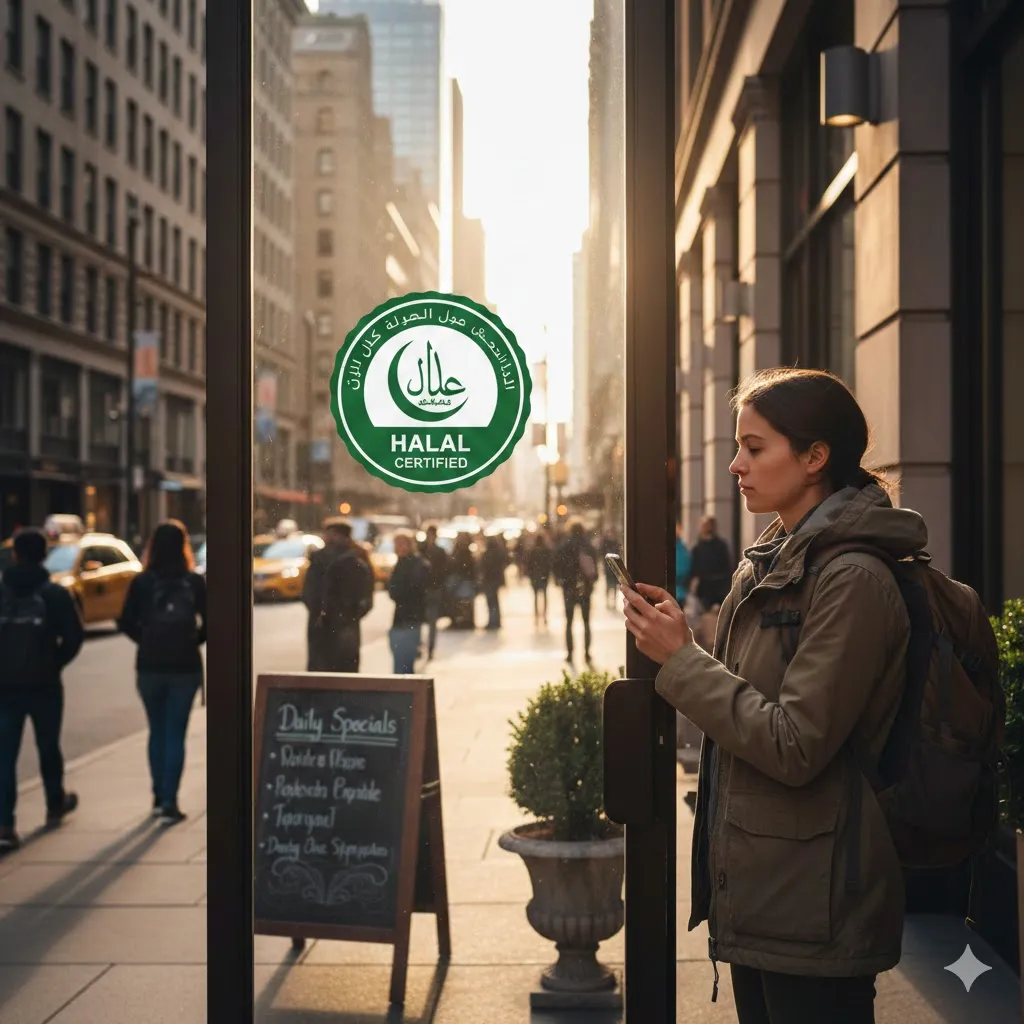
Halal Street Food and Local Experiences
One of the most exciting parts of halal food culture travel is exploring local street cuisine.
From halal tacos in California to shawarma stands in Istanbul, the diversity is expanding.
However, in street markets:
- Confirm vendor practices
- Observe food handling cleanliness
- Ask about shared cooking surfaces
A traveler in Bangkok once discovered a halal-certified Thai street vendor offering seafood pad thai prepared without cross-contact — an example of global cuisine adapting thoughtfully.
Ramadan Travel Considerations
Traveling during Ramadan adds unique dimensions.
Many destinations now offer:
- Early breakfast (suhoor) options
- Iftar buffet services
- Flexible dining hours
- Hotel meal delivery adjustments
Meanwhile, non-Muslim-majority countries may not automatically adjust schedules, so planning ahead helps.
Pro Insight
Before traveling, contact your hotel directly to ask about halal dining and prayer accommodations. Direct confirmation prevents misunderstandings upon arrival.
Balancing Cultural Exploration and Dietary Needs
Halal travel doesn’t mean limiting your experiences. It means adapting thoughtfully.
You can:
- Choose seafood and vegetarian local dishes
- Visit halal-certified global chains
- Shop at local halal grocery stores
- Use trusted halal travel apps
For example, in Paris, many travelers combine sightseeing with halal patisserie stops — blending French culinary artistry with dietary observance.
Quick Tip
Download offline maps and save verified halal restaurant locations before arrival. Internet access isn’t always reliable when exploring new cities.

Frequently Asked Questions
Is halal food available in non-Muslim countries?
Yes. Many major cities worldwide offer halal-certified restaurants due to growing demand.
How can I confirm if meat is truly halal?
Look for official certification logos or ask about the supplier and preparation methods.
Are vegetarian options always halal?
Generally yes, but confirm that no alcohol-based sauces or cross-contamination occurs.
Can I travel during Ramadan comfortably?
Yes, with proper planning and advance communication with hotels and restaurants.
Do airlines offer halal meals?
Many international airlines provide halal meal options if requested in advance.
Conclusion
Halal food culture travel in 2026 is more accessible, diverse, and culturally enriching than ever before. From global capitals to emerging tourism destinations, halal-conscious dining continues to expand alongside respectful hospitality practices.
With research, verification, and thoughtful planning, travelers can enjoy authentic culinary experiences without compromising their values. Travel becomes not just about seeing new places — but tasting them with confidence.
Trusted U.S. Resources
U.S. Department of State – International Travel Information
https://travel.state.gov
Federal Trade Commission – Travel Consumer Protection
https://www.ftc.gov
Transportation Security Administration
https://www.tsa.gov
Centers for Disease Control and Prevention – Travel Health
https://www.cdc.gov/travel
This article is for general informational purposes only and does not provide legal, financial, medical, or professional advice. Policies, rates, and regulations may change over time.