

A halal dining guide Asia isn’t just about finding restaurants—it’s about traveling with peace of mind. In 2026, more Asian cities openly label halal options, yet standards, certifications, and cultural practices still vary widely. Knowing how to navigate those differences makes the experience smoother and more enjoyable.
This guide focuses on clarity, awareness, and practical confidence for halal-conscious travelers across Asia.
This article is for general informational purposes only and does not provide religious rulings or official certification advice. Halal standards and availability vary by country and establishment.
Why halal dining varies across Asia
Asia is diverse—religiously, culturally, and legally. Some countries like Malaysia and Indonesia operate within strong halal certification systems. Others offer halal-friendly options without formal oversight.
A traveler from New York visiting Japan assumed halal labels would be obvious everywhere. Instead, she learned to check ingredient lists and rely on verified halal apps. Meanwhile, in Kuala Lumpur, clear JAKIM certification logos made choices simple.
Understanding regional differences reduces uncertainty.
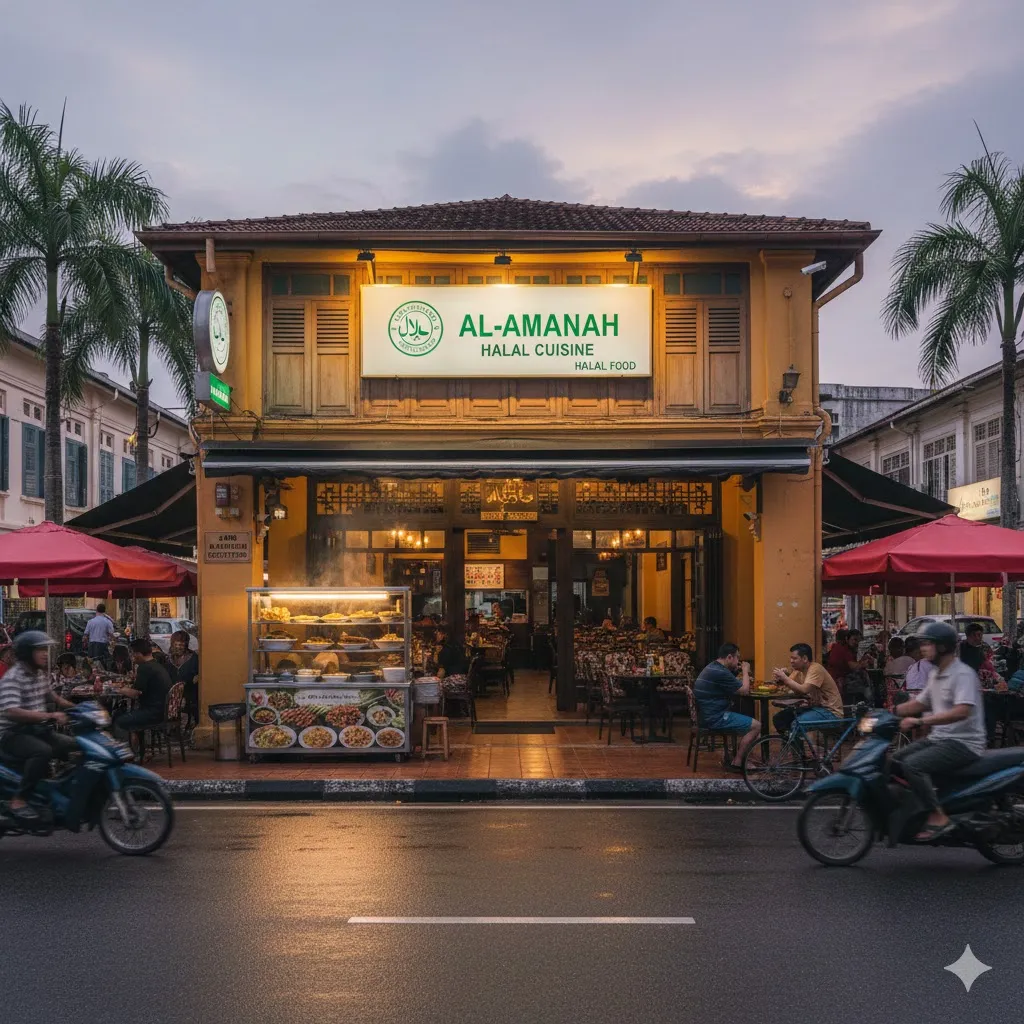
Southeast Asia halal dining landscape
Malaysia and Indonesia are among the most accessible destinations for halal dining in Asia. Certification is widespread, and many establishments are fully halal-compliant.
Singapore also provides strong transparency through MUIS certification. In Thailand and the Philippines, halal options exist—especially in Muslim-majority regions—but verification may require more attention.
Look for official certification bodies
Each country has recognized halal authorities. For example:
- Malaysia: JAKIM
- Singapore: MUIS
- Indonesia: BPJPH
If your site includes destination-specific guides, internal links fit naturally here to provide deeper local insights.
East Asia: growing but nuanced
Japan, South Korea, and parts of China have expanded halal offerings due to tourism growth. However, cross-contamination policies and ingredient transparency may vary.
A digital nomad in Seoul relied on halal-certified Korean BBQ restaurants recommended through verified directories rather than relying solely on signage.

Comparing halal dining ease across Asia
Ease depends on certification infrastructure and local awareness.
| Region | Halal Availability | Certification Clarity | Traveler Ease |
|---|---|---|---|
| Malaysia | Very high | Strong national system | Very easy |
| Indonesia | Very high | National oversight | Very easy |
| Singapore | High | Clear labeling | Easy |
| Thailand | Moderate | Regional variation | Moderate |
| Japan | Growing | Limited but expanding | Moderate |
Pro Insight
Staff knowledge often matters more than signage. Politely asking about preparation methods can clarify more than menu labels alone.
Quick Tip
Download a reputable halal restaurant app before arrival. Offline access helps when navigating unfamiliar areas.
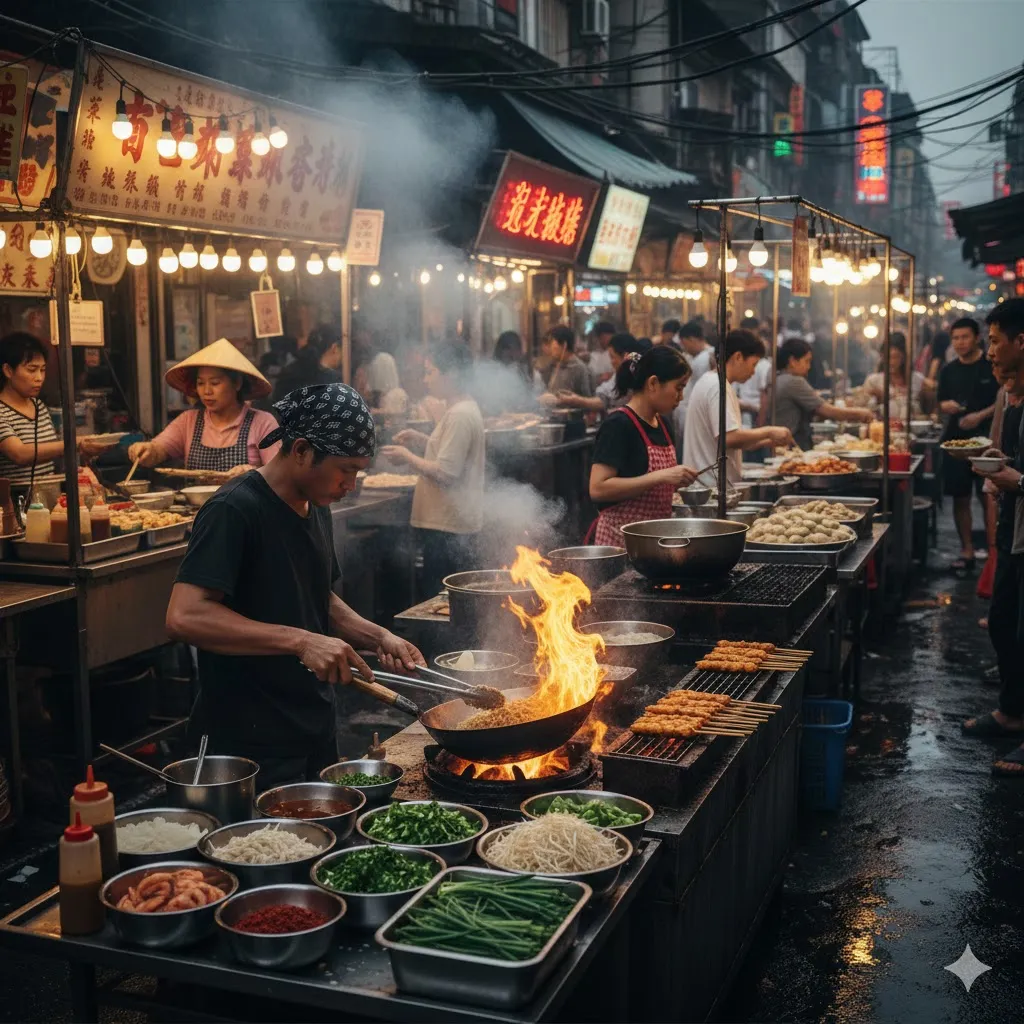
Navigating street food and markets
Street food is central to Asian travel—but it requires extra care.
Observe preparation areas. Look for separate utensils and cooking surfaces. In countries with smaller Muslim communities, cross-contact risks are higher in shared kitchens.
A solo traveler in Bangkok chose vendors in predominantly Muslim neighborhoods for greater confidence.
Internal links to your street food safety or solo travel guides fit naturally here.
FAQs
Is halal food easy to find in Asia?
In countries like Malaysia and Indonesia, yes. In others, research and verification help.
Are halal certifications standardized across Asia?
No. Each country has its own recognized authority and process.
Can vegetarian food substitute for halal meals?
Not always. Vegetarian dishes may still involve cross-contact or non-halal ingredients.
Are hotel restaurants in Asia halal-certified?
Some are, especially in Muslim-majority areas. Always verify with staff.
How can I verify halal restaurants while traveling?
Use official certification logos, trusted apps, and direct communication with staff.
Conclusion
A halal dining guide Asia helps travelers move confidently across cultures without compromising their values. With regional awareness, verified tools, and respectful questions, halal-conscious travelers can enjoy Asia’s culinary richness while staying aligned with their dietary commitments.
Trusted U.S. Resources
- U.S. Department of State – Travel Guidance: https://travel.state.gov
- Centers for Disease Control and Prevention (CDC) Travel Health: https://wwwnc.cdc.gov/travel
- Transportation Security Administration (TSA): https://www.tsa.gov