

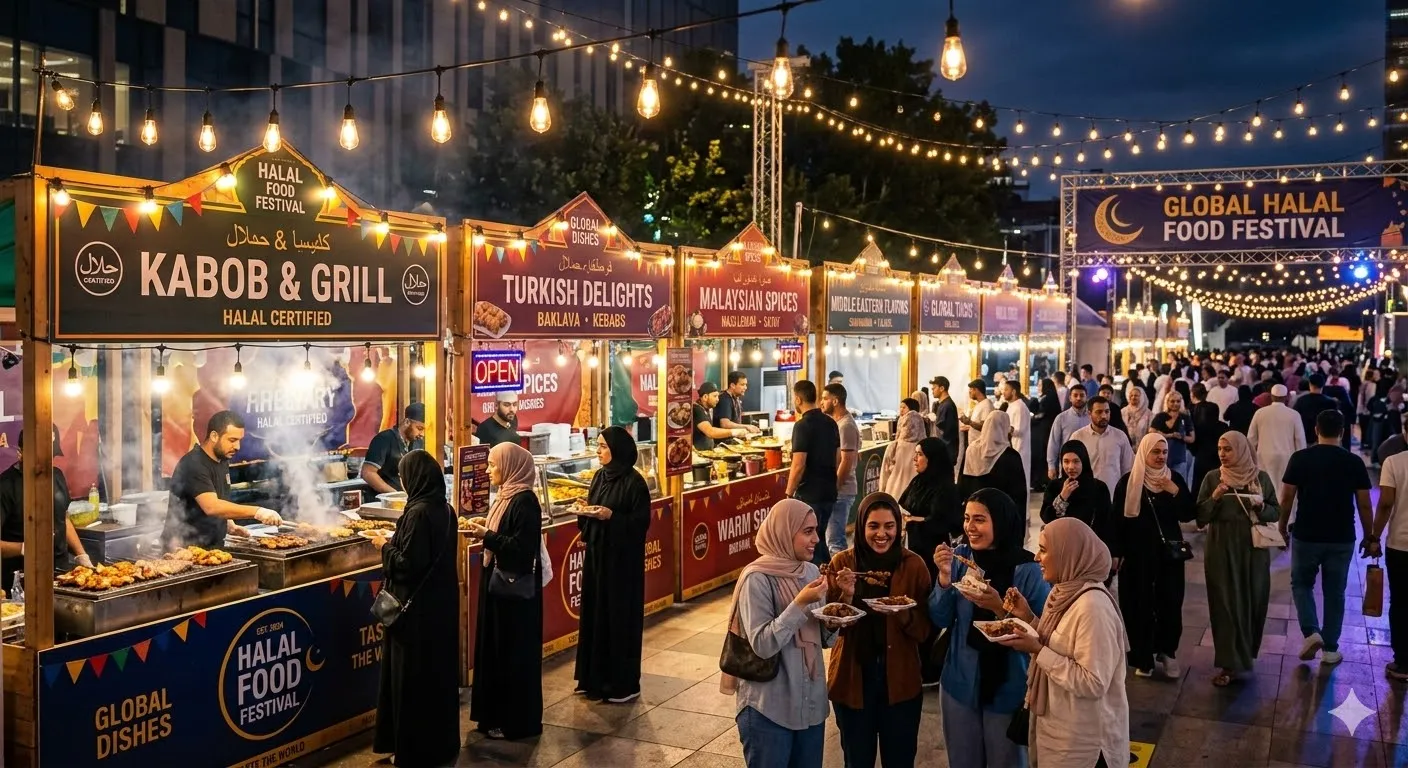
Halal culinary travel experiences combine food exploration with cultural immersion while respecting Islamic dietary guidelines. Travelers seek destinations where halal-certified meals, Muslim-friendly facilities, and authentic local traditions come together to create meaningful food journeys.
In recent years, halal food tourism has expanded globally as more destinations adapt to Muslim travelers by offering halal dining, prayer facilities, and culturally respectful environments.
Instead of simply tasting dishes, travelers often participate in cooking classes, food tours, and farm visits that reveal the history and cultural significance behind halal cuisine.
Exploring Local Halal Food Markets
Food markets are often the best introduction to halal culinary culture in a new destination. These spaces bring together street food vendors, local ingredients, and traditional cooking techniques.
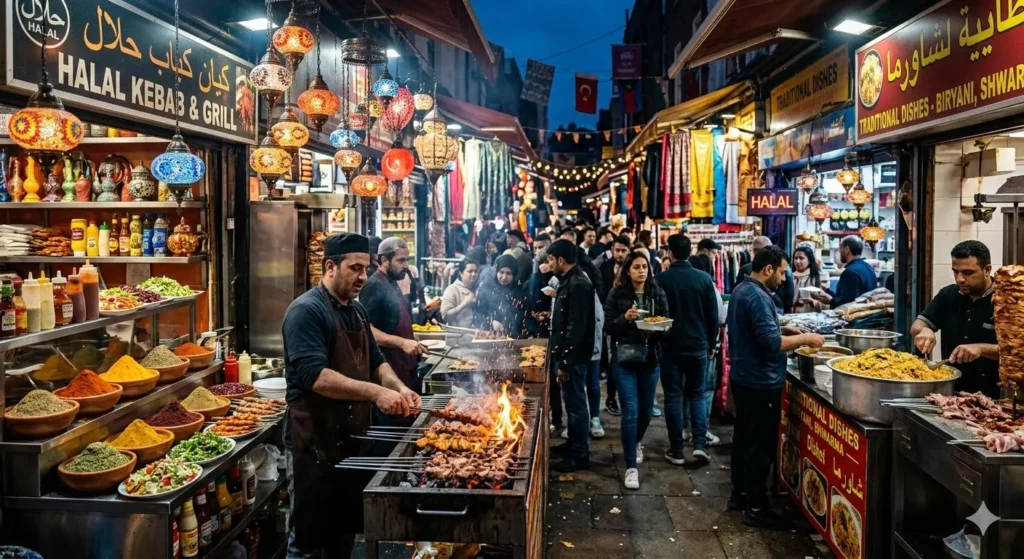
Travelers may experience:
• Freshly grilled kebabs and shawarma in Middle Eastern markets
• Indonesian satay stalls and spice markets
• Turkish street desserts like baklava and kunafa
• South Asian halal curries and biryani
Markets provide an authentic atmosphere where visitors can observe local cooking methods and interact with vendors.
Destinations Known for Halal Culinary Travel
Certain destinations are widely known for combining cultural attractions with halal dining options.
| Destination | Culinary Highlights | Travel Experience |
|---|---|---|
| Istanbul, Türkiye | Kebabs, baklava, Turkish tea | Historic bazaars and Ottoman cuisine |
| Kuala Lumpur, Malaysia | Nasi lemak, halal street food | Diverse multicultural food scene |
| Dubai, UAE | Middle Eastern and global halal dining | Modern restaurants and luxury markets |
| Lombok, Indonesia | Seafood, satay, local spices | Beach travel and Muslim-friendly culture |
Asia in particular has developed strong halal tourism infrastructure, offering accessible halal restaurants and culturally welcoming environments for Muslim travelers.
Pro Insight
The most memorable halal culinary experiences often happen outside major restaurants.
Imagine visiting a small family-run eatery in Kuala Lumpur where a chef prepares traditional nasi lemak using recipes passed down through generations. The meal becomes more than food—it’s a glimpse into the local culture, hospitality, and history of the region.
Travelers who seek these local experiences often discover flavors unavailable in tourist-focused restaurants.
Cooking Classes and Culinary Workshops
Participating in cooking classes is a growing trend in halal food tourism.
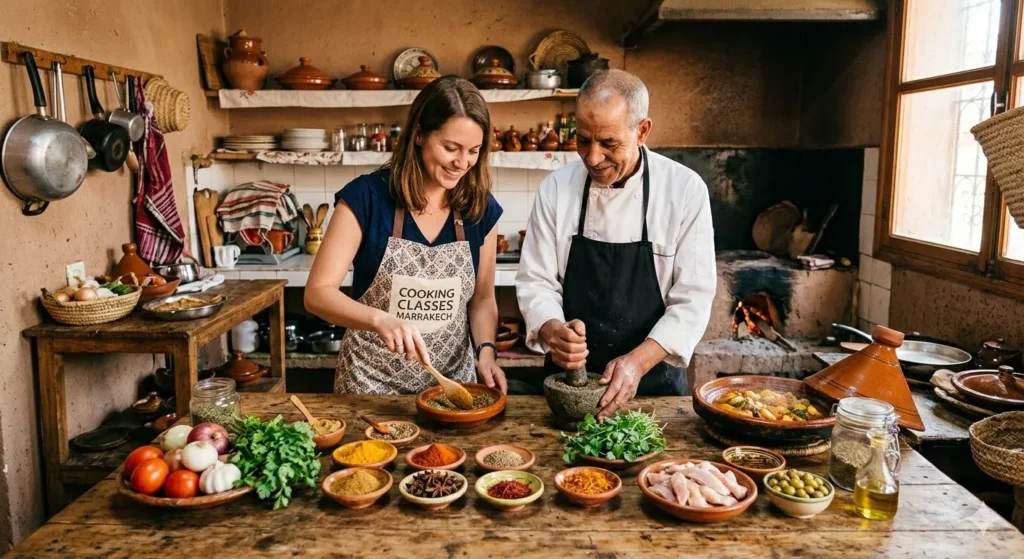
These experiences allow travelers to:
• Learn how traditional halal dishes are prepared
• Explore regional spices and cooking techniques
• Understand cultural meanings behind certain meals
• Share meals with local hosts
Cooking workshops provide deeper cultural understanding compared with simply dining at restaurants.
Quick Tip
Before visiting a destination, research halal-certified restaurants and local Muslim-friendly food guides. Many travel apps and community guides list halal eateries and mosques in major cities.
Halal Food Festivals and Culinary Events
Food festivals celebrating halal cuisine are becoming popular worldwide. Events often feature diverse halal dishes from many cultures.
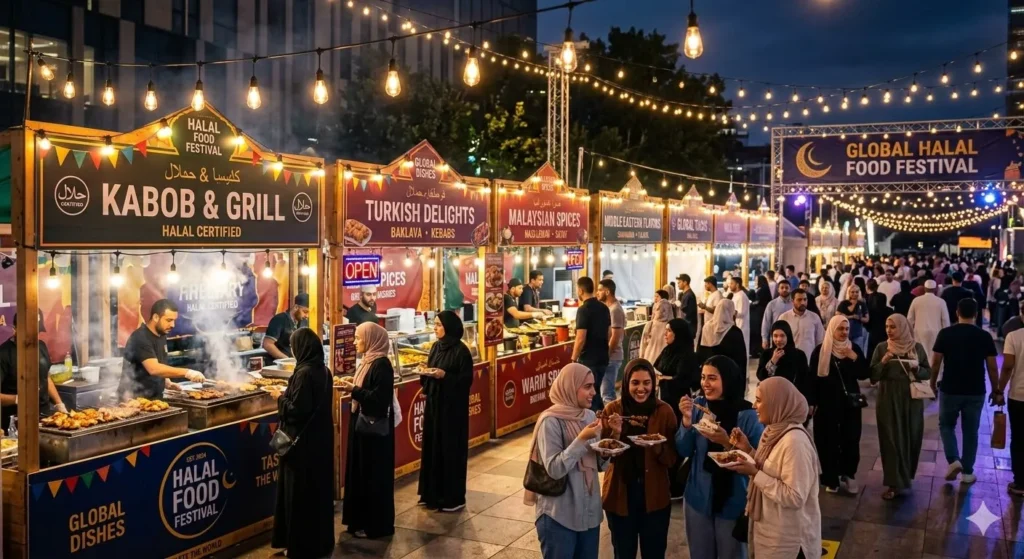
These festivals may include:
• International halal street food vendors
• Live cooking demonstrations
• Cultural performances and music
• Community gatherings celebrating halal cuisine
Such events showcase the diversity of halal food—from Middle Eastern dishes to Asian and Western halal interpretations.
Frequently Asked Questions
What is halal culinary travel?
Halal culinary travel focuses on exploring food experiences that follow Islamic dietary laws while learning about the culture behind those dishes.
Do halal culinary experiences exist outside Muslim countries?
Yes. Many global cities offer halal restaurants and Muslim-friendly travel services to accommodate travelers.
What makes a destination halal-friendly for food travelers?
Availability of halal-certified restaurants, prayer facilities, and culturally respectful environments contributes to a halal-friendly destination.
Can non-Muslims enjoy halal culinary tourism?
Yes. Halal food tourism is open to anyone interested in learning about different cultures and cuisines.
How can travelers verify halal food abroad?
Travelers often rely on halal certification labels, local Muslim communities, or trusted travel guides that list verified halal restaurants.
Conclusion
Halal culinary travel experiences offer more than just meals—they provide opportunities to connect with cultures, traditions, and communities around the world. From street markets and family-run eateries to cooking classes and food festivals, halal food tourism highlights the diversity of global cuisine while respecting Islamic values.
For travelers seeking meaningful cultural exploration, halal culinary journeys can transform a trip into a deeper and more memorable experience.
Trusted U.S. Resources
https://travel.state.gov
https://www.usa.gov/travel
https://www.si.edu
https://www.cdc.gov/travel
This article is for general informational purposes only and does not provide legal, financial, medical, or professional advice. Policies, rates, and regulations may change over time.