

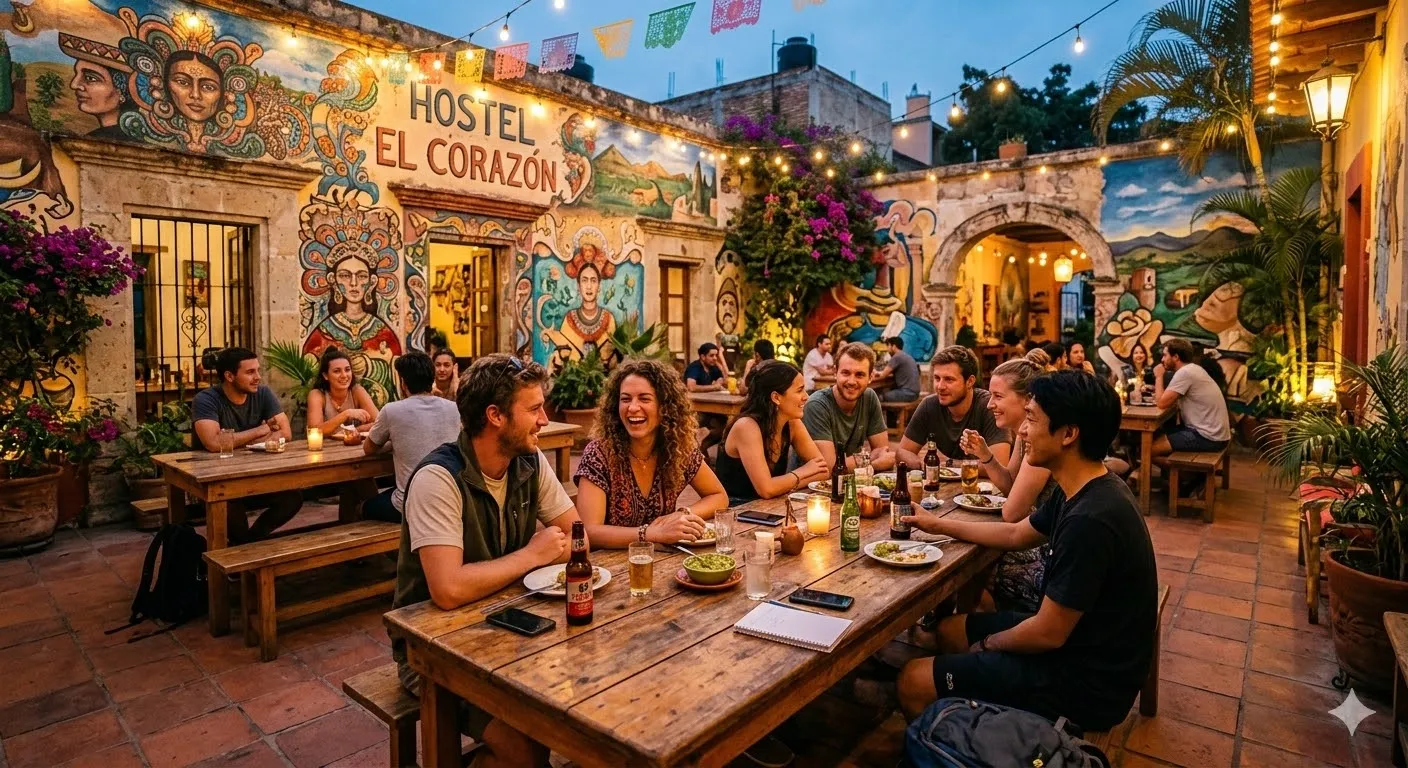
A cultural hostels stay offers travelers something different from traditional hotels. Instead of focusing only on accommodation, many hostels create spaces where visitors can interact with local communities, exchange ideas with other travelers, and experience the character of a destination more directly.
For travelers interested in cultural immersion, hostels often provide opportunities to learn about local traditions, cuisine, and daily life. Shared spaces, organized activities, and smaller community settings encourage interaction in ways that standard lodging rarely does.
Understanding how cultural hostels work can help travelers choose stays that enhance both comfort and cultural experience.
What Makes a Cultural Hostel Different
A cultural hostel typically focuses on community engagement and authentic experiences rather than simply offering a place to sleep.
Many of these hostels incorporate local elements into the environment, including architecture, food, and cultural activities.
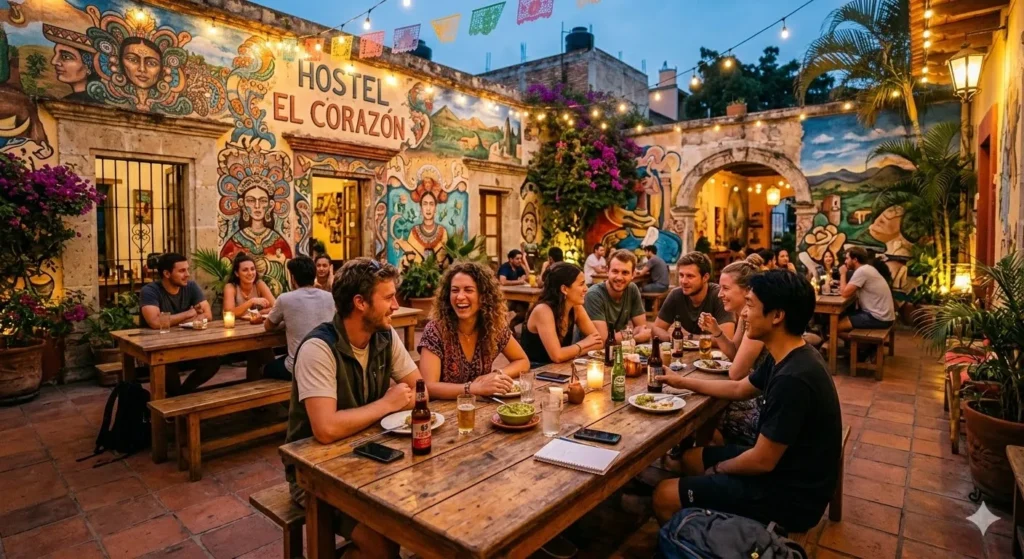
Common characteristics include:
• Shared kitchens serving local-style meals
• Community events such as cooking classes or music nights
• Decor featuring local art and design
• Partnerships with neighborhood businesses or guides
These details help visitors experience the destination beyond major tourist attractions.
Community Spaces Encourage Interaction
One defining feature of cultural hostels is the emphasis on shared environments. Common areas are intentionally designed to encourage conversation among travelers.
Examples include:
• Communal dining tables
• Lounge areas with books or board games
• Rooftop terraces or garden courtyards
• Group tours organized by hostel staff
These spaces naturally create opportunities for conversations between travelers from different backgrounds.
A visitor arriving alone may leave with new friendships simply through casual conversations in a shared kitchen or lounge.
Comparing Cultural Hostels and Traditional Hotels
| Feature | Cultural Hostels | Traditional Hotels |
|---|---|---|
| Social interaction | High | Limited |
| Local cultural activities | Often included | Rare |
| Room types | Shared or private rooms | Mostly private |
| Atmosphere | Community-focused | Service-focused |
Both accommodation styles have advantages, but hostels often appeal to travelers seeking social connection and cultural exchange.
Pro Insight
Experienced travelers often choose cultural hostels when they want to better understand a destination’s everyday rhythm.
For example, someone visiting Oaxaca might stay in a hostel that organizes evening cooking sessions with local ingredients. During the event, travelers learn how to prepare regional dishes while hearing stories from the host about local traditions.
Moments like these often become the most memorable part of a trip.
Choosing the Right Cultural Hostel
Not every hostel emphasizes culture in the same way. Some focus more on social events, while others prioritize local community engagement.
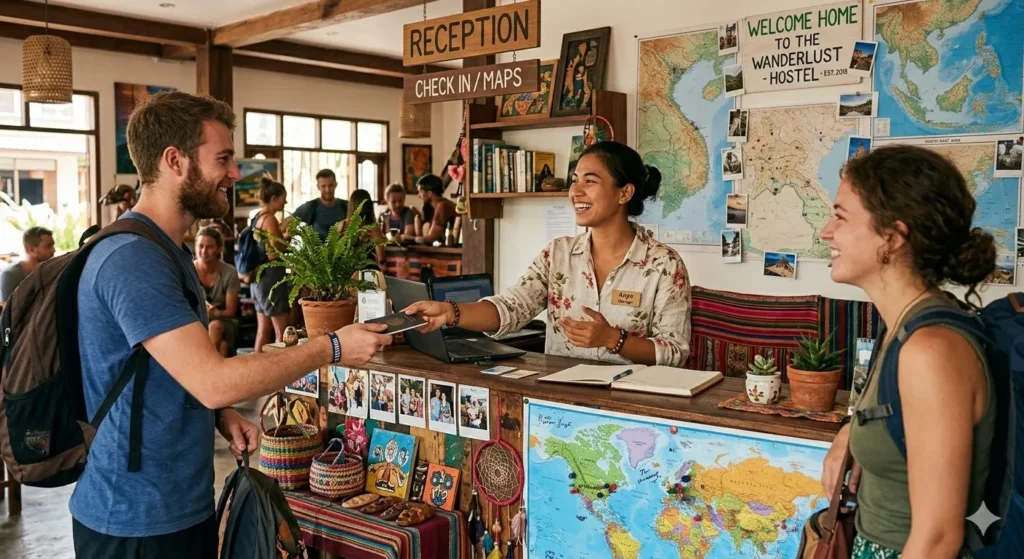
Before booking, travelers often review:
• Hostel activity schedules
• Photos of communal spaces
• Guest reviews discussing atmosphere
• Partnerships with local tours or workshops
Hostels that highlight neighborhood connections usually provide more authentic cultural experiences.
Quick Tip
When staying at a cultural hostel, join at least one group activity during your stay. Even a short walking tour or shared dinner can introduce you to local perspectives and other travelers.
Balancing Social Life and Personal Space
While hostels are known for social interaction, many now offer private rooms alongside shared dormitories.
This flexibility allows travelers to enjoy the community atmosphere while maintaining personal comfort.
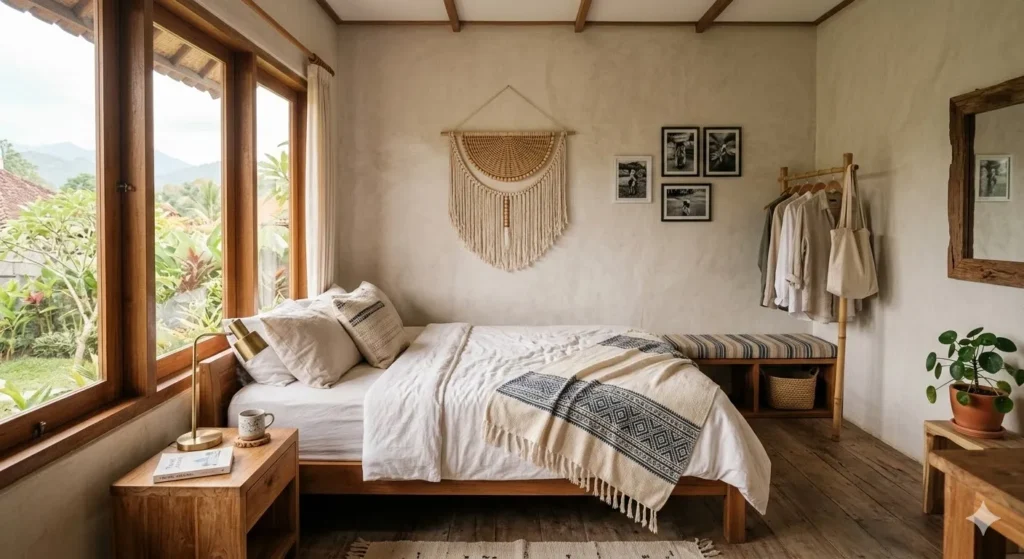
Quiet areas, reading spaces, and small patios also help balance lively social spaces with moments of relaxation.
Frequently Asked Questions
What is a cultural hostel stay?
A cultural hostel stay focuses on community interaction and local experiences, often offering events, workshops, or activities that introduce travelers to regional traditions.
Are cultural hostels safe for travelers?
Most hostels follow standard safety practices such as lockers, secure access, and staffed reception areas. Reading reviews before booking helps travelers assess safety and atmosphere.
Do cultural hostels only offer dorm rooms?
No. Many hostels provide both shared dormitories and private rooms, allowing travelers to choose the level of privacy they prefer.
Are cultural hostels suitable for solo travelers?
Yes. Many solo travelers choose hostels specifically for the social environment, which makes meeting people easier.
How do travelers find cultural hostels?
Travelers typically search through hostel booking platforms or travel review websites that provide descriptions, photos, and guest feedback.
Conclusion
A cultural hostels stay can transform travel from simple sightseeing into a deeper exchange of ideas, traditions, and perspectives. By combining comfortable accommodation with social spaces and local activities, these hostels create environments where travelers connect not only with destinations but also with people.
For those interested in meaningful travel experiences, cultural hostels often offer a welcoming doorway into the everyday life of a new place.
Trusted U.S. Resources
https://www.usa.gov/travel
https://travel.state.gov
https://www.si.edu
https://www.loc.gov
This article is for general informational purposes only and does not provide legal, financial, medical, or professional advice. Policies, rates, and regulations may change over time.