

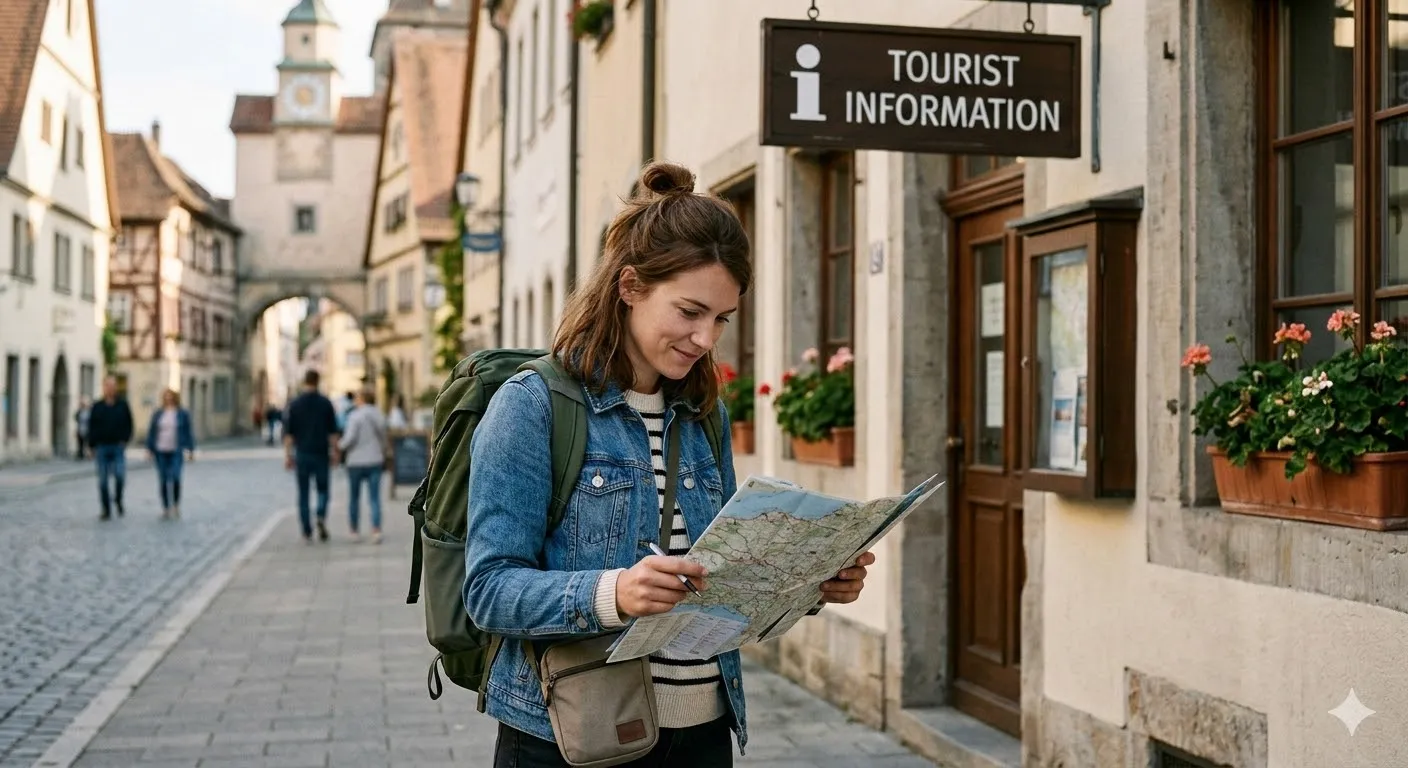
Avoiding travel scams is an important part of planning a safe and enjoyable trip. While most journeys go smoothly, unfamiliar environments can sometimes make travelers more vulnerable to misleading offers or deceptive situations.
Understanding common tactics used in travel scams helps visitors stay aware without feeling anxious or overly cautious. A few practical habits—such as verifying services, recognizing typical warning signs, and trusting reliable information—can significantly reduce the chances of encountering problems during a trip.
The following guidance explains how travel scams typically occur and what travelers can do to navigate unfamiliar destinations with greater confidence.
Common Travel Scams Tourists Encounter
Travel scams often rely on confusion, urgency, or unfamiliar local practices. While they vary by location, many follow predictable patterns.
Some of the most common examples include:
• Taxi meter manipulation where drivers claim the meter is broken
• Fake tour guides offering unofficial excursions
• Currency exchange tricks involving misleading rates or calculations
• Distraction scams where one person diverts attention while another targets belongings
• Ticket scams involving unofficial vendors near attractions
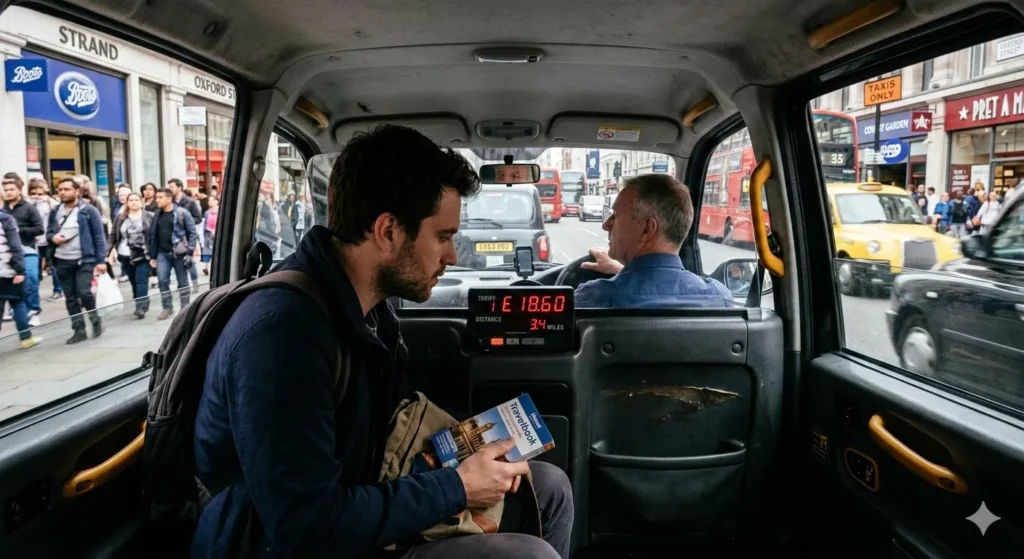
These situations often occur near airports, major landmarks, and transportation hubs where visitors may be unfamiliar with normal pricing or procedures.
A calm approach and basic awareness usually prevent most issues.
Recognizing Warning Signs Before Problems Start
Travel scams rarely appear entirely random. Small warning signs often appear first.
Pay attention to situations where someone:
• Pressures you to make a quick decision
• Avoids providing written pricing
• Claims official services but lacks identification
• Offers deals that seem unusually discounted
• Requests payment methods that feel unusual for the location
Travelers who pause and assess the situation generally avoid escalating misunderstandings.
In many cases, simply declining politely and walking away resolves the interaction.
Comparing Legitimate Services and Risky Situations
One of the easiest ways to avoid travel scams is understanding how legitimate services usually operate.
| Situation | Typical Legitimate Practice | Potential Red Flag |
|---|---|---|
| Taxi service | Meter or fixed posted fare | Driver refuses meter |
| Guided tours | Registered company booking | Street solicitation only |
| Currency exchange | Displayed official rates | Private cash exchange offers |
| Attraction tickets | Official counters or websites | Unofficial sellers nearby |
Travelers who rely on established transportation apps, official ticket offices, or hotel recommendations often encounter fewer problems.
Pro Insight
Experienced travelers tend to verify key services before leaving their accommodation.
For example, imagine a visitor arriving in a historic European city for the first time. Instead of accepting the first taxi offer outside the station, the traveler checks the average fare online and confirms whether the taxi uses a meter.
When the driver suggests a “special flat rate” that seems unusually high, the traveler politely declines and waits for the next licensed taxi.
Small moments like this often make the difference between a smooth trip and an uncomfortable experience.
Staying Alert in Crowded Tourist Areas
Crowded areas naturally attract both visitors and opportunists. This doesn’t mean travelers should avoid popular locations, but awareness becomes more important in busy environments.
A few practical habits include:
• Keeping bags zipped and worn close to the body
• Avoiding visible displays of large amounts of cash
• Staying aware of personal belongings during distractions
• Using cross-body bags or secure backpacks
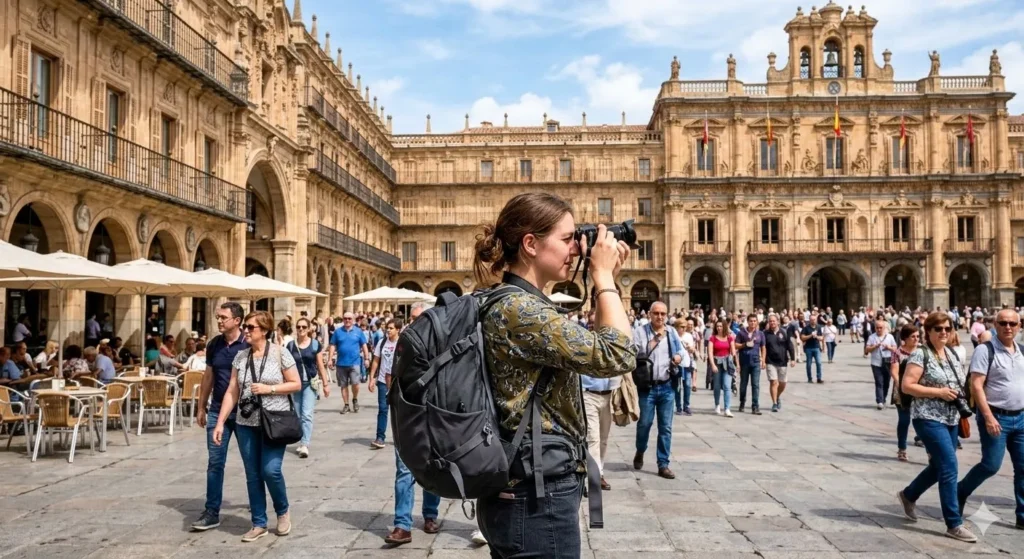
Markets, festivals, and public transportation hubs often combine excitement with crowds, making simple organization helpful.
Quick Tip
Before visiting a new destination, search for a short list of commonly reported travel scams in that location.
Just knowing what situations exist allows travelers to recognize them quickly without feeling suspicious of every interaction.
Preparation encourages confidence rather than worry.
Handling a Suspicious Situation Calmly
Even cautious travelers occasionally encounter confusing or uncomfortable moments.
The most helpful response is usually simple and direct:
• Stay calm and avoid confrontation
• Politely decline the offer or service
• Move toward a busier public area if needed
• Seek assistance from official staff or local authorities if necessary
A traveler walking through a crowded market might notice someone attempting to distract them while another person moves closer to their bag. In that moment, calmly stepping away and adjusting belongings typically ends the situation quickly.
Most interactions end without incident once the traveler disengages.
Frequently Asked Questions
Are travel scams common worldwide?
Travel scams exist in many destinations, but most travelers complete their trips without encountering serious issues. Awareness and preparation significantly reduce the likelihood of problems.
What should travelers do if they suspect a scam?
If a situation feels suspicious, it is usually best to decline politely and leave the interaction. Moving toward official businesses, hotels, or tourist information centers can provide support if needed.
Are taxis a common source of travel scams?
Taxi-related issues can occur in some destinations, particularly around airports or tourist districts. Using licensed taxis, ride-hailing apps, or hotel-arranged transportation helps minimize confusion.
How can travelers verify legitimate tour guides?
Booking through established travel agencies, verified tour platforms, or hotel concierge services typically ensures guides are licensed and operating legally.
Is it safe to exchange currency at airports?
Airports usually provide legitimate currency exchange services, although rates may differ from city exchange offices. Using official counters rather than private offers reduces risk.
Conclusion
Avoiding travel scams largely comes down to awareness, preparation, and calm decision-making. Most destinations welcome visitors and operate with clear systems for transportation, tours, and services.
Travelers who learn typical warning signs, rely on trusted providers, and take a moment to evaluate unfamiliar situations often navigate their trips smoothly.
Confidence grows not from suspicion, but from understanding how travel environments work.
Trusted U.S. Resources
https://travel.state.gov
https://www.usa.gov/travel
https://www.consumer.ftc.gov
https://www.cdc.gov/travel
This article is for general informational purposes only and does not provide legal, financial, medical, or professional advice. Policies, rates, and regulations may change over time.