

A practical food travel guide to help you find authentic local eats, avoid tourist traps, and eat confidently anywhere.
Travel is remembered through flavors just as much as landmarks. A thoughtful food travel guide helps you experience destinations the way locals do—through markets, family kitchens, and time-tested dishes that tell real stories.
Instead of chasing viral spots, this guide shows you how to eat with intention, curiosity, and confidence wherever you land.
Why Food Defines the Travel Experience
Food is culture you can taste. It reflects geography, history, and daily life in ways museums can’t. When you eat locally, you’re not just fueling up—you’re participating.
Picture arriving in a new city early morning and following the smell of bread to a neighborhood bakery. Or sharing a simple stew in a place where recipes haven’t changed in generations. These moments anchor memories long after the trip ends.
How to Find Authentic Local Food Anywhere
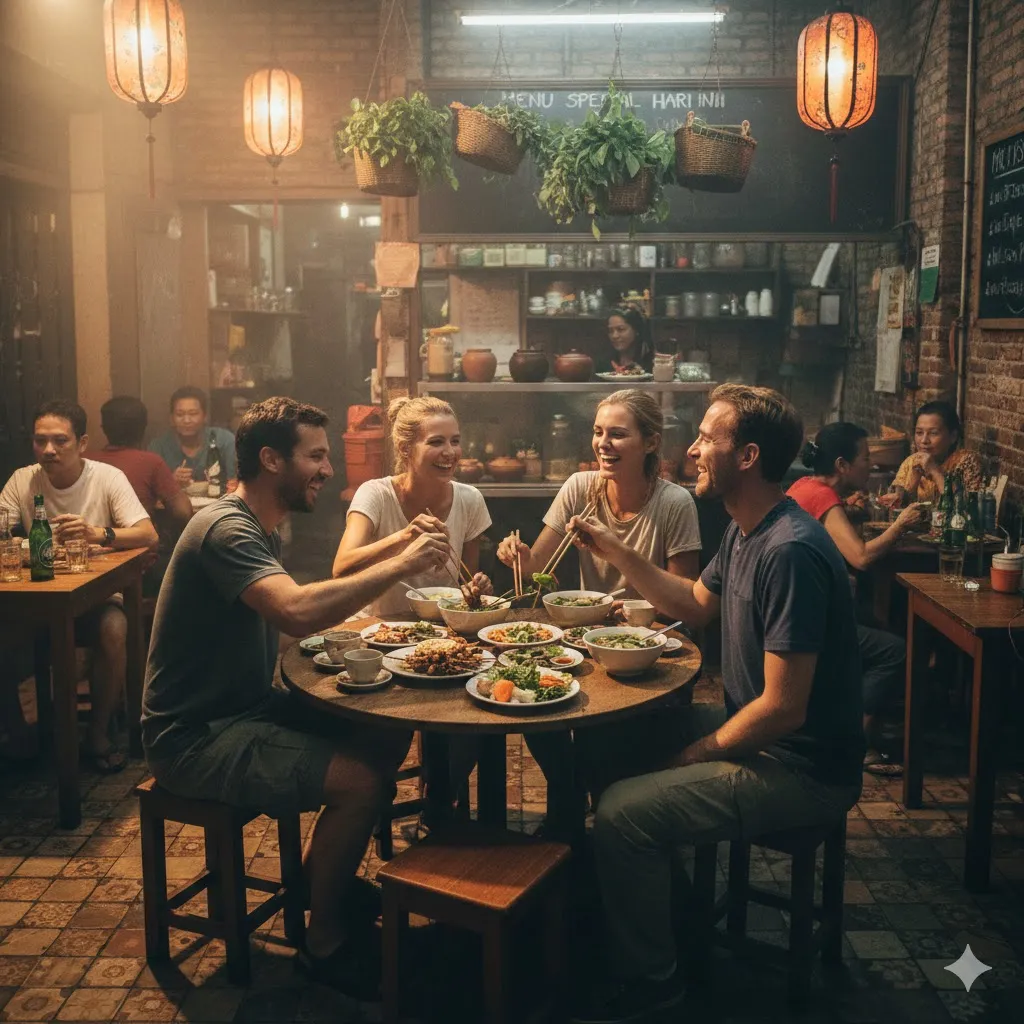
Authenticity rarely sits on the main tourist strip. It’s usually one or two streets away, where menus are shorter and regulars are recognized.
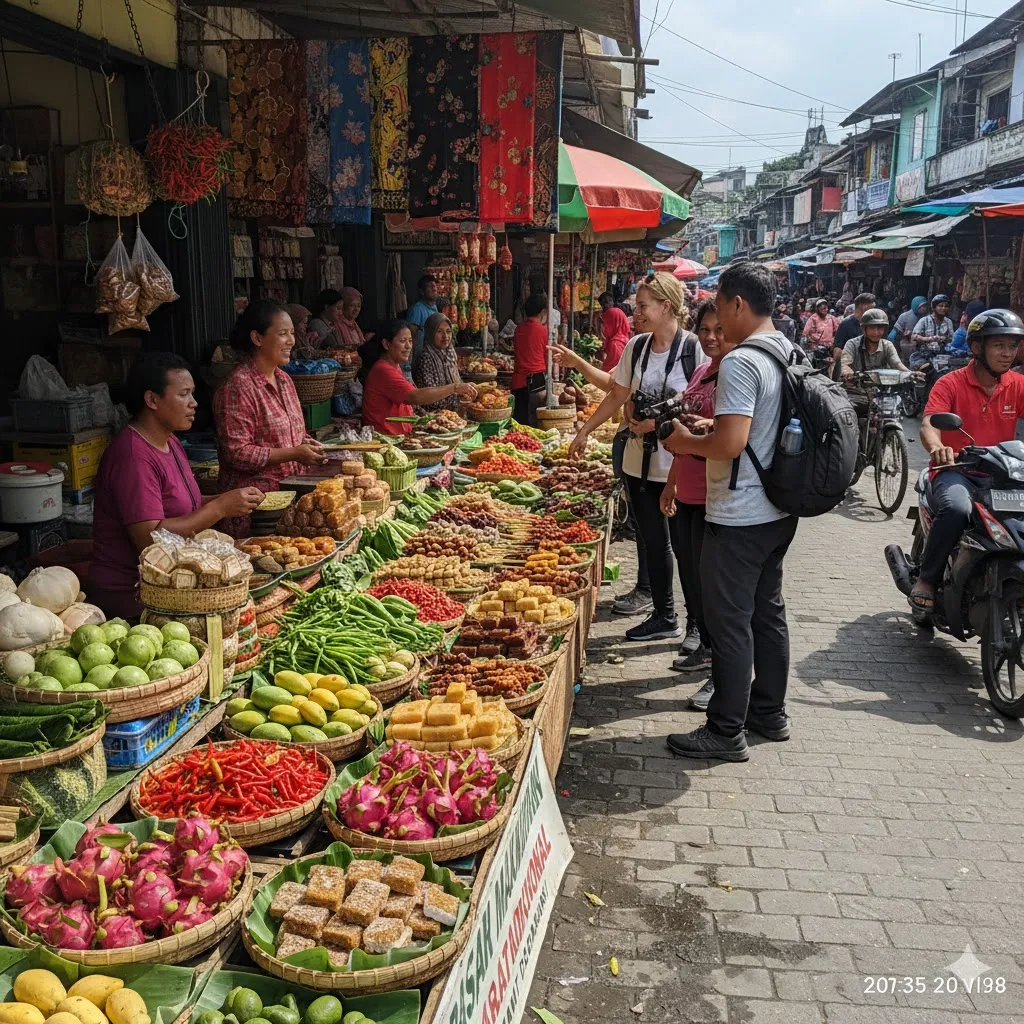
Start by asking locals—hotel staff, shop owners, or taxi drivers—where they eat on their day off. Visit markets to see what ingredients dominate. Follow crowds at mealtimes. If a place is full of locals, that’s your signal.
Language barriers matter less than curiosity. Pointing, smiling, and asking what’s popular often leads to the best plates.
Regional Food Patterns Worth Knowing
Understanding regional patterns helps you order with confidence.
Mediterranean regions emphasize olive oil, vegetables, and grilled seafood. East and Southeast Asia lean on noodles, rice, tofu, and aromatic broths. Latin American kitchens highlight corn, beans, slow-cooked meats, and fresh salsas. Middle Eastern tables revolve around mezze, herbs, and flatbreads.
Knowing these foundations makes it easier to adapt to menus—even when translations are imperfect.
Compare Common Food Travel Options
| Option | Best For | Cost Level | Authenticity |
|---|---|---|---|
| Local markets | Fresh, daily meals | Low | High |
| Family-run eateries | Traditional recipes | Medium | High |
| Street food stalls | Fast iconic bites | Low | Medium–High |
| Boutique restaurants | Refined local cuisine | Medium–High | Medium |
| Hotel dining | Convenience | High | Low |
This comparison helps you balance budget, comfort, and cultural depth during your trip.
Eating Smart While Staying Adventurous
Food travel rewards openness, but smart habits keep things smooth. Eat where turnover is high, watch how food is handled, and pace yourself when trying rich or unfamiliar dishes.
A real-life example: travelers who sample lightly on day one—soups, rice dishes, grilled items—often enjoy the rest of the trip without digestive setbacks, then branch out confidently.
Disclaimer
This article is for general informational purposes only. Food availability, safety standards, and menus vary by location. Always use personal judgment and local guidance when dining.
Pro Insight
The best food experiences often happen at lunch, not dinner—locals eat earlier, menus are fresher, and prices are lower.
Quick Tip
Save offline notes with dish names or ingredients in the local language to order confidently without internet access.
Frequently Asked Questions
How do I avoid tourist food traps?
Eat a few streets away from major attractions and follow local foot traffic.
Is street food safe while traveling?
Often yes—choose busy stalls with high turnover and visible food prep.
Should I plan meals in advance?
Research helps, but leaving room for discovery leads to better experiences.
How do I handle language barriers when ordering?
Pointing, asking for recommendations, and using translation apps work well.
Can food travel fit a budget?
Absolutely. Many of the best local meals are affordable and filling.
Conclusion
A well-planned food travel guide transforms trips into sensory stories—one meal at a time. By eating where locals eat, understanding regional patterns, and staying open to discovery, you turn dining into connection.
Travel far, eat curiously, and let food lead the way.
Trusted U.S. Resources
National Geographic — Food & Culture Travel
https://www.nationalgeographic.com/travel
U.S. News Travel — Dining Abroad Guides
https://travel.usnews.com
Smithsonian Magazine — Global Food Traditions
https://www.smithsonianmag.com